

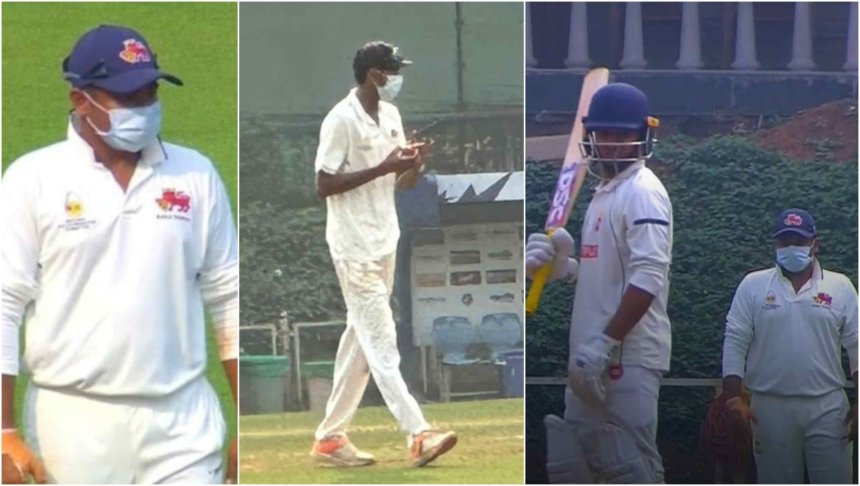
Mumbai Players Forced to Wear Face Masks in Ranji Trophy — 7 Shocking Reasons Revealed
Mumbai players were forced to wear face masks during a Ranji Trophy match due to health and environmental concerns
In a rare and eye-catching moment in Indian domestic cricket, Mumbai players were seen wearing face masks during a Ranji Trophy match, sparking curiosity, concern, and widespread discussion among cricket fans and sports analysts. The unusual sight quickly went viral on social media, with many questioning the reason behind the protective gear during a high-intensity professional cricket game.
As visuals spread across platforms, speculation ranged from health emergencies to air pollution concerns and viral outbreaks. However, the actual reason behind the decision highlights a serious issue that extends beyond cricket — environmental and health safety.

This incident not only raised questions about player well-being but also reignited debates around pollution, climate conditions, and preparedness in Indian sports infrastructure.
During the Ranji Trophy fixture involving Mumbai, fans and commentators noticed multiple players taking the field while wearing face masks — a highly unusual practice in professional cricket.
Cricket is a physically demanding sport that requires peak breathing capacity, stamina, and focus. Wearing face masks while batting, bowling, or fielding can be uncomfortable and potentially affect performance. Therefore, the sight immediately attracted attention, prompting questions from broadcasters, journalists, and viewers alike.
Soon after, officials clarified that the decision was not related to COVID-19 or any infectious outbreak, but rather due to poor air quality conditions at the venue.
The primary reason behind Mumbai players wearing face masks was hazardous air pollution levels recorded at the stadium and surrounding region on match day.
Key Environmental Factors Included:
- High Air Quality Index (AQI) readings
- Increased levels of PM2.5 and PM10 particles
- Presence of smog and dust pollution
- Weather conditions trapping pollutants near ground level
Medical staff reportedly advised precautionary measures to reduce inhalation of harmful airborne particles, especially for players engaged in extended physical exertion.
Air pollution poses serious risks to athletes, including:
- Breathing difficulty
- Reduced lung capacity
- Eye and throat irritation
- Increased fatigue
- Long-term respiratory damage
With player safety becoming a top priority, team management opted for masks as a temporary protective measure.
India has seen increasing instances of sports events affected by air quality, particularly in cities experiencing rising pollution levels.
Past Similar Incidents Include:
- International cricket matches in Delhi impacted by smog
- Players reporting breathing problems during IPL games
- School and junior-level sports events being postponed due to pollution alerts
As urban air quality continues to deteriorate, sports bodies are being forced to adapt, reconsidering match scheduling, venue selection, and player safety protocols.

The Ranji Trophy incident highlights how environmental challenges are now influencing even domestic sporting events.
While some players reportedly found the masks uncomfortable, most acknowledged that the measure was taken in the interest of long-term health.
Cricketers depend heavily on lung endurance and cardiovascular stamina. Extended exposure to polluted air can significantly impact performance and career longevity.
Several players expressed concerns about:
- Reduced oxygen intake
- Difficulty communicating on the field
- Fogging of vision while fielding
However, they also emphasized that health must come before short-term discomfort, especially in challenging environmental conditions.
Images and videos of Mumbai players wearing masks quickly went viral, sparking a wave of reactions online.
Fan Reactions Included:
- Surprise at the unusual on-field scene
- Concern over worsening air pollution
- Calls for stronger environmental policies
- Praise for teams prioritizing player health
Hashtags related to pollution, cricket safety, and Ranji Trophy trended on social media platforms, bringing renewed attention to the environmental crisis affecting major Indian cities.
Images and videos of Mumbai players wearing masks quickly went viral, sparking a wave of reactions online.
Fan Reactions Included:
- Surprise at the unusual on-field scene
- Concern over worsening air pollution
- Calls for stronger environmental policies
- Praise for teams prioritizing player health
Hashtags related to pollution, cricket safety, and Ranji Trophy trended on social media platforms, bringing renewed attention to the environmental crisis affecting major Indian cities.
While wearing face masks may provide health protection, it can also impact athletic performance in several ways:
- Increased breathing resistance
- Reduced stamina during long spells of bowling
- Difficulty maintaining rhythm while batting
- Communication challenges during fielding
Despite these limitations, Mumbai players displayed resilience and professionalism, adapting to the unusual circumstances while maintaining competitive spirit.

This incident may influence future BCCI protocols and domestic tournament guidelines, including:
- Mandatory AQI monitoring before matches
- Player health advisories
- Emergency protocols for pollution-related risks
- Greater collaboration with environmental authorities
With cricket being India’s most-followed sport, such incidents also bring national attention to public health issues — potentially pushing for stronger pollution control policies.
The fact that professional athletes had to wear masks during a domestic cricket match reflects a larger environmental challenge facing India.
Urban pollution continues to rise due to:
- Vehicle emissions
- Industrial pollution
- Construction dust
- Crop burning
- Climate-related weather changes
If air quality continues to worsen, more sporting events could face disruptions, affecting athletes, fans, and organizers alike.
The Mumbai Ranji Trophy episode serves as a symbolic reminder that environmental health is directly linked to sports, lifestyle, and national well-being.

Following the incident, cricket authorities may consider:
- Revising match safety protocols
- Conducting environmental risk assessments for venues
- Introducing contingency plans for high-pollution days
It also opens the door for greater awareness among fans, encouraging public participation in environmental conservation efforts.
Read Also : De Klerk, Harris Destroy UPW — 9 Explosive Moments That Took RCB Into the Final

