New Excise Duty on Tobacco Products: Cigarette Prices to Jump Up to ₹55 Per Pack
New excise duty on tobacco products will increase cigarette prices by up to ₹55 per pack. Find out how the price hike affects smokers across India
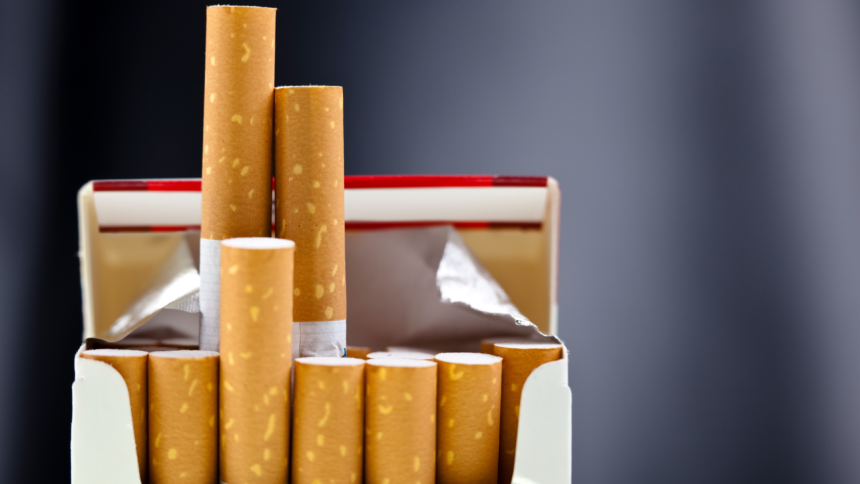
In a significant move affecting millions of smokers across India, the government has introduced a new excise duty on tobacco products, leading to a projected cigarette price increase of up to ₹55 per pack. The policy, aimed at generating additional revenue and curbing tobacco consumption, has sparked widespread debate among consumers, health experts, and industry stakeholders.
The Union Budget 2026 included an adjustment to the excise duty structure on tobacco products, particularly cigarettes. Key highlights include:
- Cigarette prices may rise by up to ₹55 per pack depending on brand and size.
- Higher taxation on premium brands compared to regular brands.
- Increased revenue for the government, projected in hundreds of crores annually.
- Differentiated tax rates based on length and type of tobacco products, with filtered cigarettes facing higher duties.
The Ministry of Finance stated that this measure aligns with public health objectives and aims to discourage tobacco consumption, while also boosting government revenue.
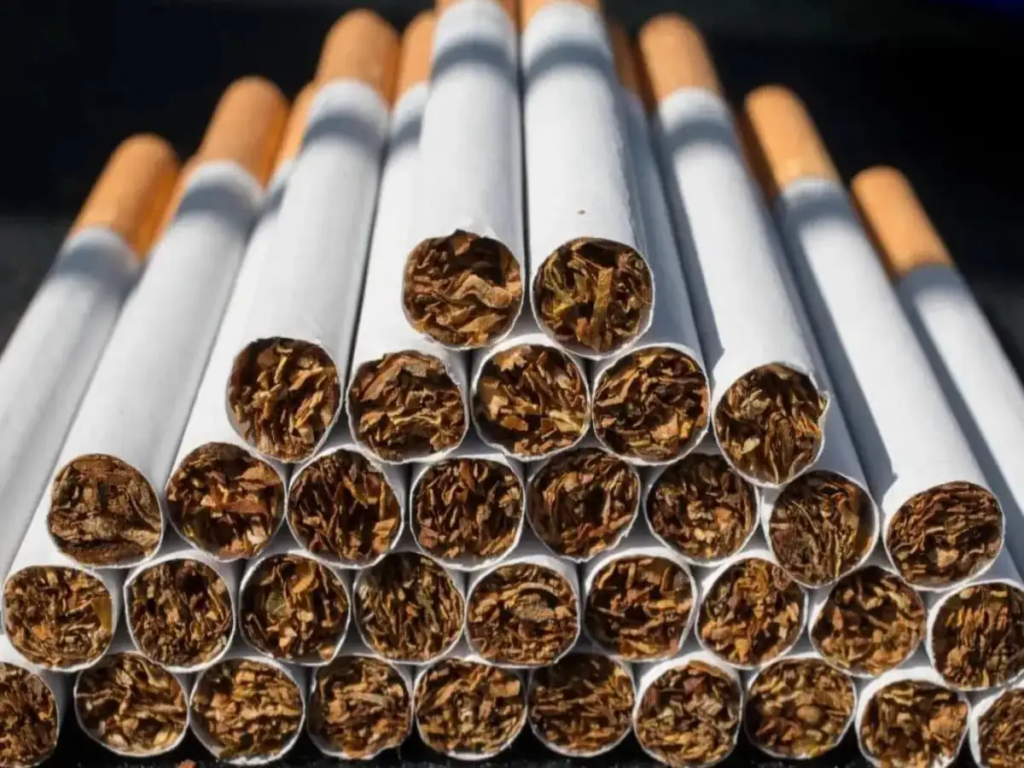
Smokers across India can expect a noticeable increase in retail prices, with some packs going up by as much as ₹55. The impact will vary based on:
- Brand and packaging: Premium brands will see higher price hikes than economy brands.
- Pack size: Larger packs may see a higher absolute increase.
- Retail location: Metro cities like Delhi, Mumbai, and Bangalore may witness slightly higher price adjustments due to logistics costs.
For instance:
- A standard 20-cigarette pack priced at ₹250 could increase to ₹305.
- Premium brands costing ₹500 could rise to ₹555.
Smokers are reacting with concern, citing the added financial burden, especially for regular consumers. Some are considering switching to cheaper brands or alternatives, while health experts see this as a potential opportunity to reduce tobacco use.
The government has justified the excise duty hike with two main objectives:
1️⃣ Public Health Promotion
- Tobacco consumption is linked to cancer, cardiovascular diseases, and respiratory illnesses.
- Higher prices may discourage smoking, particularly among youth and low-income groups.
- Studies show that even a small increase in tobacco prices can reduce consumption rates significantly.
2️⃣ Revenue Generation
- Tobacco products contribute a substantial share to excise revenue, running into thousands of crores annually.
- The government aims to fund healthcare initiatives and welfare schemes using additional tax revenue.
Finance Minister Nirmala Sitharaman highlighted that the dual objectives of public health and revenue generation are central to this policy.
The tobacco industry has expressed concerns over the impact on sales, revenue, and employment:
- Manufacturers warn of potential decline in consumption, particularly among price-sensitive consumers.
- Retailers fear reduced footfall and lower sales volumes.
- Industry associations have called for staggered implementation to avoid sudden shocks to the market.
Despite the pushback, analysts predict that the government will not reverse the hike, citing long-term public health benefits and consistent global trends toward higher tobacco taxation.
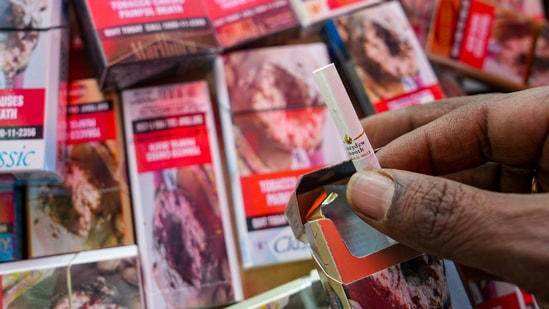
Public health organizations have welcomed the new excise duty, stating that:
- Higher cigarette prices correlate with reduced smoking rates.
- Young adults and low-income groups are particularly sensitive to price hikes, potentially deterring early adoption of tobacco use.
- The additional revenue could support anti-tobacco campaigns, cancer treatment, and awareness programs.
Experts note that countries like Australia, Canada, and the UK have successfully reduced smoking prevalence through high tobacco taxes, serving as models for India.
Historically, price hikes on cigarettes have led to changes in consumer behavior, such as:
- Switching to lower-cost brands
- Reducing daily cigarette consumption
- Exploring alternatives like vaping or nicotine substitutes
However, some experts caution that without strict enforcement and public awareness, consumers may resort to black-market products or illicit tobacco. Authorities have stressed the importance of monitoring illegal trade alongside tax reforms.
Excise duties on tobacco are complemented by state-level taxes and GST, meaning the final retail price can vary by state.
- States like Maharashtra, Delhi, and Tamil Nadu may see higher cumulative price increases.
- Smaller towns may experience moderate increases, depending on local duties.
- State governments may use this as an opportunity to further discourage tobacco use through awareness campaigns and stricter sales regulations.
Officials expect short-term resistance from retailers and consumers, but long-term health benefits are projected to outweigh initial concerns.
India’s move to increase tobacco excise is in line with global public health strategies:
- The World Health Organization (WHO) recommends raising taxes on tobacco as an effective tool to reduce consumption.
- Countries with higher tobacco taxation report lower smoking prevalence, particularly among youth.
- India’s policy aligns with Sustainable Development Goal (SDG) 3.4, targeting reductions in premature mortality from non-communicable diseases.
Analysts believe India’s excise duty hike could set a precedent in South Asia, encouraging neighboring countries to adopt similar measures.

While the excise duty hike is beneficial for health, it also carries economic and social considerations:
Economic Impact:
- Increased revenue for government programs
- Possible short-term decline in tobacco sales
- Potential job impact in the tobacco manufacturing sector
Social Impact:
- Reduction in tobacco-related health issues
- Greater awareness about harmful effects of smoking
- Potential reduction in second-hand smoke exposure
Economists highlight that tobacco taxation is a win-win: improving public health while strengthening government finances.
Smokers should prepare for the following changes:
- Pack prices increasing up to ₹55 depending on brand and size.
- Premium cigarettes will see higher price hikes.
- Retailers may adjust stock and promotions in response to new pricing.
- Alternatives like e-cigarettes, nicotine gum, or quitting programs may be more attractive.
- Government awareness campaigns may accompany the price hike to encourage reduced consumption.
Health experts suggest that smokers consider reducing consumption or quitting, as price increases are intended to discourage tobacco use and promote wellness.
Read Also : We Need More Deepak’: Rahul Gandhi Reacts to 1 Brave Uttarakhand Man Who Stood Up to Mob