Putin Shocks Region: 5 Powerful Statements That Destroy Pakistan’s Narrative, Says Taliban Fighting Terrorism
Vladimir Putin delivers a geopolitical shock by dismissing Pakistan’s claims and asserting that the Taliban is actively combating terrorism
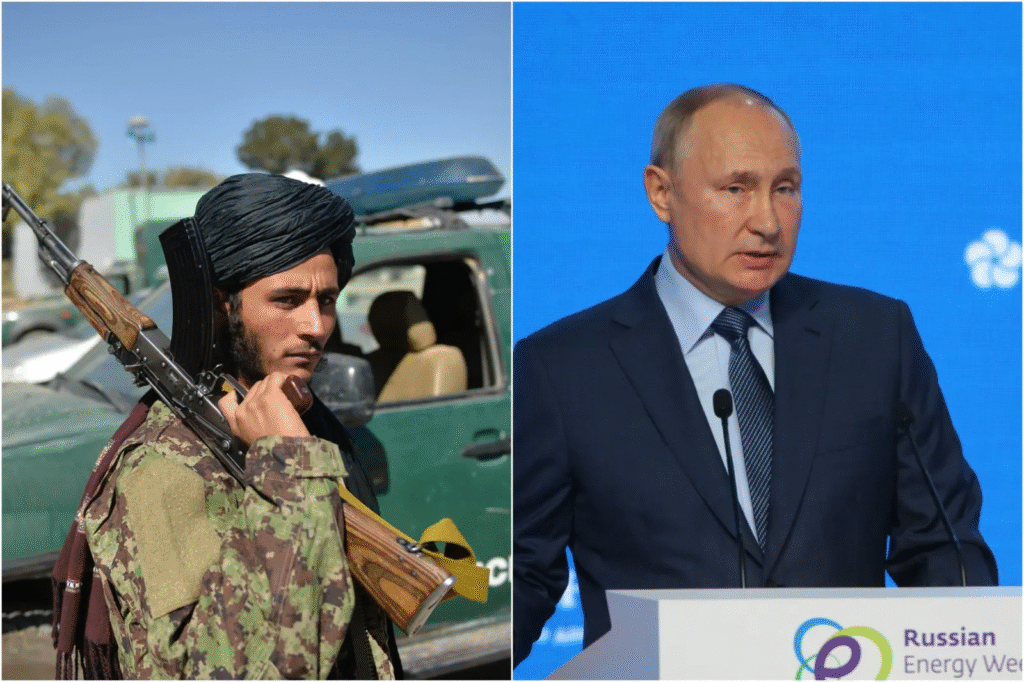
Russian President Vladimir Putin has once again jolted South Asian geopolitics with a powerful statement that directly contradicts Pakistan’s long-standing position on the Taliban. In a surprising yet strategically calculated remark, Putin stated that the Taliban is actively combating terrorism, a claim that immediately rippled across diplomatic circles, media platforms, and regional security establishments. His comments, interpreted as a subtle yet strong rebuke to Pakistan’s narrative, have created a new layer of geopolitical complexity involving Afghanistan, Pakistan, Russia, and the broader international community.
For years, Pakistan has positioned itself as a key player and spokesperson on Afghan affairs, particularly after the Taliban’s return to power in 2021. Islamabad has consistently tried to shape global perception by arguing that the Taliban government is either incapable of controlling terrorism or complicit in allowing extremist groups to thrive. However, Putin’s recent statement has delivered a strategic blow to this narrative — one that many analysts say could significantly influence diplomatic alignments in the region.
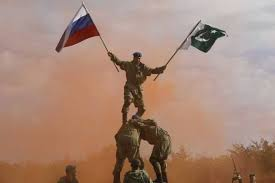
Putin’s assertion that the Taliban is “fighting terrorism” came during a broader discussion about security cooperation and counterterrorism in Central and South Asia. By publicly acknowledging the Taliban’s anti-terror efforts, the Russian leader elevated the group’s international standing at a time when most countries still refuse to formally recognize its government.
This endorsement did not come lightly. Russia has historically maintained a cautious stance toward the Taliban, especially due to its own security concerns in Central Asia and potential spillovers affecting Russia’s Muslim-majority regions. Yet, by making such a direct and strong statement, Putin signaled a shift in Moscow’s thinking — one that implicitly challenges Pakistan’s portrayal of the Taliban as unreliable or incapable of maintaining internal security.
Putin’s comment was not merely an observation; it was a strategic message. It sent clear signals that Russia sees a functional and stabilizing Taliban as a necessary component for regional balance. It also indicated Moscow’s growing frustration with Pakistan’s fluctuating and often self-serving narrative on terrorism.
Pakistan has long presented itself as the “expert” and “facilitator” on Afghan matters, claiming insights into the Taliban’s internal dynamics and security failures. Islamabad has repeatedly warned that the Taliban is not doing enough to prevent cross-border attacks carried out by the Tehreek-e-Taliban Pakistan (TTP). This has allowed Pakistan to justify its military operations, seek international sympathy, and attempt to shape regional security policies.
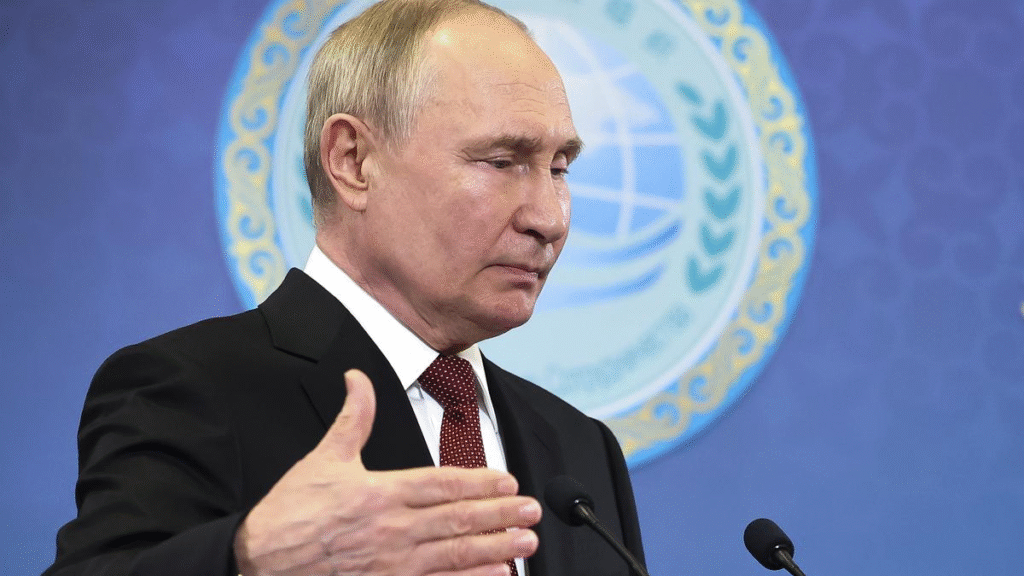
By saying the Taliban is combating terrorism, Putin contradicts Pakistan’s claims that the Taliban is unwilling or unable to act against extremist groups. This challenges Islamabad’s diplomatic messaging and reduces the strength of its international appeals.
Pakistan has historically relied on Russia remaining neutral — or at least skeptical — about the Taliban. Putin’s remarks instead suggest a warming alignment with Kabul, which weakens Pakistan’s influence over Afghan affairs.
The implication that Pakistan’s narrative may not fully match on-ground realities undermines Islamabad’s credibility, especially among global and regional decision-makers.
For Pakistan, this is more than a political embarrassment — it is a strategic setback.
Russia’s support did not emerge in a vacuum. Several geopolitical interests align with Moscow’s decision to publicly acknowledge the Taliban’s efforts.
Moscow views ISIS-K as a direct threat to its southern borders. The Taliban, being at violent odds with ISIS-K, becomes a natural buffer force. Supporting them strengthens a shared anti-ISIS front.
With the United States no longer present in Afghanistan, Russia sees an opportunity to expand its influence. Backing the Taliban positions Moscow as a decisive player in shaping Afghanistan’s political future.
By endorsing the Taliban at Pakistan’s expense, Russia gains geopolitical leverage. It pressures Islamabad to reconsider its alignment while also disrupting Western narratives about Afghanistan’s governance.
Afghanistan is central to future connectivity, trade, and energy routes linking Central Asia, Russia, and South Asia. Stability in Afghanistan benefits Russia directly.
India, which has cautiously opened back-channel engagements with the Taliban, saw Putin’s statement as an affirmation of its own quiet outreach. New Delhi views the Taliban as a reality that must be engaged rather than ignored.
Beijing welcomed Putin’s comment silently. China has deepened its ties with the Taliban through trade, mineral cooperation, and counterterrorism coordination.
Islamabad was caught off guard. Officials responded with vague statements emphasizing “ground realities,” yet the diplomatic discomfort was clear. Analysts interpreted Putin’s remarks as a correction to Pakistan’s exaggerated messaging.
Western nations, still critical of the Taliban, reacted cautiously. They continue to question human rights and governance issues in Afghanistan, but Putin’s comments forced them to acknowledge evolving regional dynamics.
For the Taliban leadership, Putin’s remark was a diplomatic victory. Spokespersons from Kabul welcomed the comment and reiterated their commitment to fighting ISIS-K and other extremist groups. The endorsement by a major global power like Russia gives the Taliban newfound legitimacy and strengthens their case for international recognition.
Read Also : IndiGo Chaos: 7 Shocking Moments of Tears, Confusion & Counter-Climbing That Ignited Airport Outrage