
Ramadan Moon Sighting 2026 LIVE: 1 Crucial Date & Time Update — When Will the Holy Month of Ramadan Begin
Ramadan Moon Sighting 2026 LIVE updates: Check the expected date and time of crescent visibility and find out when the holy month of Ramadan is likely to begin in India and across the world
As millions of Muslims around the world prepare for one of the most sacred periods in the Islamic calendar, attention is turning toward the Ramadan moon sighting 2026. The beginning of Ramadan is determined by the sighting of the crescent moon, making it one of the most anticipated astronomical and religious events each year.
From India and the Middle East to Europe and North America, communities are eagerly awaiting official announcements regarding the date and time of moon sighting. Here’s a comprehensive look at expected timelines, how the sighting process works, and when Ramadan is likely to begin in 2026.
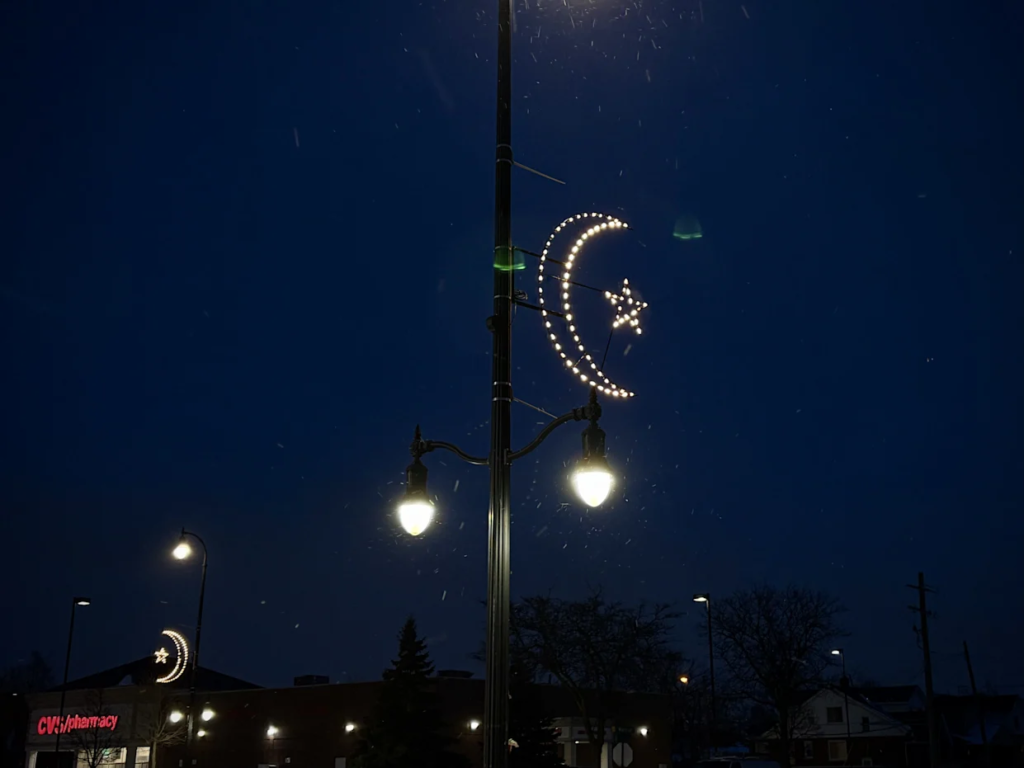
Unlike fixed-date festivals, Ramadan does not follow the Gregorian calendar. Instead, it begins with the sighting of the crescent moon marking the start of the ninth month of the Islamic lunar calendar.
The Islamic calendar is about 10–11 days shorter than the solar calendar, which is why Ramadan shifts earlier every year. In 2026, astronomical predictions suggest the crescent moon may be visible toward late evening on a specific date, depending on geographic location and atmospheric conditions.
Religious authorities in each country will confirm the start of Ramadan only after verified sightings or official announcements.
Based on astronomical calculations and historical patterns, Ramadan 2026 is expected to begin in the last week of February or early March, though the exact date will vary by region.
Here’s what early projections suggest:
- Saudi Arabia & Gulf countries: Likely to begin Ramadan a day earlier if the moon is sighted promptly.
- India, Pakistan, Bangladesh: Usually start Ramadan a day after Gulf nations due to later moon sightings.
- Western countries: Dates may align with local moon sightings or follow Saudi announcements.
However, these are only projections. The final decision depends entirely on official moon sighting confirmations.
In India, moon sighting committees and religious organizations will gather on the evening when the crescent is expected to appear. Observations are typically conducted after sunset from multiple locations across the country.
If the crescent moon is sighted:
- Ramadan begins the next day at dawn (first sehri).
- Taraweeh prayers start the same night.
If the moon is not visible due to weather or astronomical factors, Ramadan begins a day later.
The exact timing of moon visibility depends on sunset, moonset, and atmospheric clarity.
One of the most common questions every year is why Ramadan begins on different dates worldwide. The answer lies in a combination of geography, religious interpretation, and local traditions.
Key reasons include:
- Time Zone Differences: The moon may be visible in one region but not another.
- Local vs Global Sighting: Some countries rely on local sightings, while others follow international announcements.
- Weather Conditions: Clouds or haze can obscure the crescent moon.
- Jurisprudence Differences: Islamic scholars differ on whether global sightings should be accepted universally.
These factors explain why Ramadan often starts on different days across regions.
As the expected moon sighting date approaches, several indicators signal that Ramadan announcements are imminent:
- Official advisories from religious boards
- Increased astronomical forecasts
- Special moon sighting committees formed
- Media coverage and live updates
- Mosque announcements after Maghrib prayers
Many communities also organize public moon sighting gatherings, blending tradition with spirituality.
While modern astronomy can predict moon phases with high accuracy, Islamic tradition still emphasizes physical moon sighting. This balance between science and faith makes the Ramadan announcement unique.
Astronomers can forecast:
- Moon age
- Visibility probability
- Best viewing locations
However, religious authorities make the final call based on verified sightings or trusted reports.
This dual approach preserves tradition while benefiting from modern science.
Even before the official announcement, preparations for Ramadan are already underway across the world. Markets are stocking essential food items, mosques are organizing prayer schedules, and families are planning fasting routines.

Common pre-Ramadan preparations include:
- Grocery stocking for iftar and sehri
- Charity planning (zakat and sadaqah)
- Mosque cleaning and decorations
- Adjusting work and school schedules
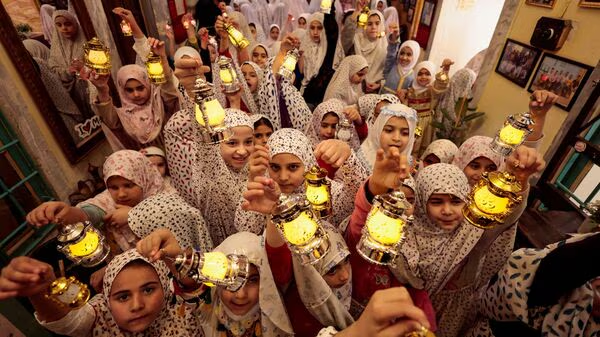
In many countries, Ramadan also brings a festive atmosphere with illuminated streets and community gatherings.
The night of the moon sighting holds deep emotional and spiritual significance. Families often gather after sunset, waiting for updates from mosques, scholars, and news channels.
Once the announcement is made:
- Mosques announce the start of Ramadan
- Taraweeh prayers begin
- Social media fills with greetings
- Markets remain open late into the night
The excitement surrounding this moment reflects the deep cultural and religious importance of Ramadan.
Though Ramadan’s spiritual essence remains universal, traditions vary widely across regions.
In South Asia:
- Special Ramadan bazaars
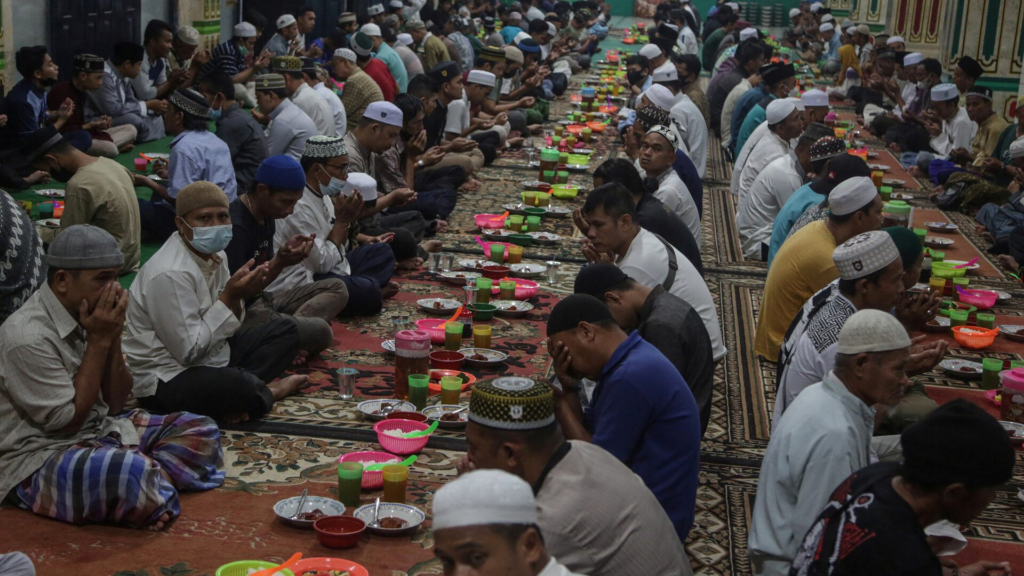
- Community iftar gatherings
- Late-night food markets
In the Middle East:
- Festive lantern decorations
- Cannon firings to mark iftar
- Large mosque congregations
In Western countries:
- Multicultural Ramadan events
- Interfaith gatherings
- Community-driven charity drives
These diverse traditions highlight Ramadan’s global cultural richness.
Beyond fasting from dawn to dusk, Ramadan is a time of reflection, discipline, and spiritual growth. Muslims observe fasting (sawm) as one of the five pillars of Islam.
The month emphasizes:
- Self-restraint
- Increased prayer and Quran recitation
- Charity and generosity
- Strengthening family bonds
For many, Ramadan is also an opportunity to reset spiritually and cultivate gratitude.
Ramadan has a noticeable economic impact in many countries. Food industries, retail sectors, and travel businesses often experience seasonal shifts.

Typical trends include:
- Increased food consumption during non-fasting hours
- Night-time retail surges
- Higher charity donations
- Changes in work hours
In several countries, governments also adjust office timings and school schedules to accommodate fasting routines.
In recent years, technology has transformed how people follow moon sighting announcements. Live updates are now available through:
- TV broadcasts
- Mobile apps
- Mosque livestreams
- Social media alerts
This digital transformation ensures instant access to announcements, especially for younger generations and diaspora communities.
If the crescent moon is not sighted on the expected evening, the current Islamic month completes 30 days, and Ramadan begins the following day.
This built-in flexibility ensures the lunar calendar remains accurate and aligned with traditional practices.
Religious authorities typically make announcements quickly to avoid confusion and ensure clarity for fasting schedules.
With Ramadan shifting earlier each year, weather conditions and fasting durations change as well. In 2026, fasting hours are expected to be relatively moderate compared to peak summer Ramadans.
Still, health experts advise:
- Staying hydrated during non-fasting hours
- Eating balanced sehri meals
- Avoiding excessive caffeine
- Maintaining sleep routines
Preparing early helps individuals transition smoothly into fasting.
As the expected moon sighting date approaches, anticipation continues to build across communities worldwide. Religious authorities will closely monitor astronomical data and field reports to make official announcements.
Once the crescent moon is confirmed, Ramadan will begin with the first fast at dawn the following day. Until then, believers remain attentive to updates from local mosques and official bodies.