Thousands Rally in Minneapolis as Immigration Anger Boils Over — 10,000+ Protesters Ignite Nationwide Debate in 2026
Over 10,000 protesters rally in Minneapolis as anger over immigration policies boils. Demonstrations highlight public unrest, demand reforms, and spark nationwide debate in 2026
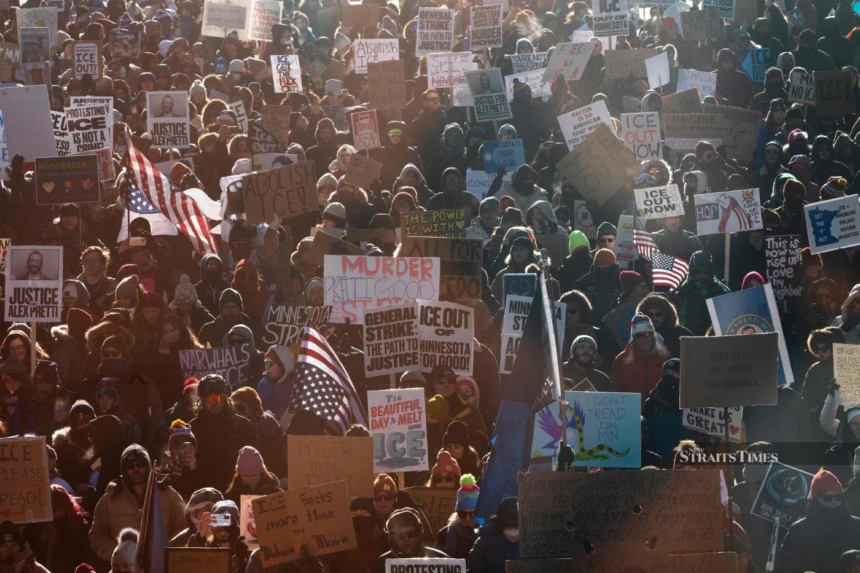
Minneapolis, USA — In a dramatic display of public frustration, over 10,000 protesters gathered in Minneapolis this week to voice their anger over immigration policies, sparking nationwide attention and intense debate. The massive rally, which brought together citizens, activists, and advocacy groups, reflects growing unrest over immigration enforcement, deportations, and border policy changes.
Organizers and participants described the event as a critical wake-up call for lawmakers, demanding humane treatment, legal reforms, and an end to policies perceived as punitive toward immigrant communities. Social media platforms were flooded with videos, live streams, and commentary, making the Minneapolis rally one of the largest immigration-related protests in the United States in recent years.

Reports indicate that the rally drew over 10,000 participants, a mix of immigrants, students, human rights activists, and concerned citizens. The crowd marched through downtown Minneapolis, holding banners and chanting slogans demanding justice, reform, and compassion for immigrants.
Key highlights of the rally included:
- Peaceful marches across major streets and intersections
- Speeches by community leaders and immigration advocates
- Participation by local politicians calling for policy reform
- Distribution of leaflets and information on legal aid for immigrants
Law enforcement coordinated with organizers to ensure safety and order, though some streets were temporarily closed to accommodate the massive turnout.
The Minneapolis rally is part of a larger wave of public discontent surrounding immigration policies in the United States, including:
- Strict deportation practices
- Extended detention of asylum seekers
- Family separations at the border
- Delays in legal immigration processes
- Rising anti-immigrant rhetoric in politics and media
Many participants expressed that the current system disproportionately affects vulnerable communities, including refugees, undocumented workers, and mixed-status families. Organizers emphasized that protests like the Minneapolis rally are essential to pressuring lawmakers to act with fairness, transparency, and humanity.
During the rally, protesters shared personal stories of struggle and resilience:
- Ana Rodriguez, an immigrant from Guatemala, spoke about the fear of family separation and uncertainty about her legal status.
- Mohammed Khan, a student from Pakistan, highlighted delays in visa approvals that disrupt education and career plans.
- Local activists emphasized that immigration reform is also a civil rights issue, linking it to broader struggles for equity, fairness, and justice.
These stories underscore the human impact of immigration policy, transforming abstract debates into real-life experiences that demand attention.
Several politicians and advocacy groups joined the Minneapolis protest, either in person or via social media:
- Local lawmakers called for urgent review of detention practices and more resources for legal aid.
- National-level politicians acknowledged the protests, signaling potential policy adjustments or legislative discussions.
- Immigrant advocacy organizations praised the rally for bringing visibility to issues often ignored in mainstream discourse.
The event has prompted intense discussion in Congress, with calls to evaluate border management, deportation practices, and asylum processes.

The Minneapolis rally quickly became a viral phenomenon online, amplifying the voices of protesters far beyond city limits:
- Videos of the march were shared millions of times across X (formerly Twitter), Instagram, and TikTok.
- Hashtags like #ImmigrationJustice, #MinneapolisRally, and #EndDeportations trended nationwide.
- Live streams allowed people across the country to witness speeches, chants, and banners in real time.
Social media attention has magnified pressure on lawmakers, increasing calls for immediate action on immigration reform and humane policies.
While the protest was largely peaceful, Minneapolis authorities deployed a coordinated security plan to prevent clashes and ensure public safety:
- Traffic management for downtown streets
- Visible police presence along protest routes
- Emergency medical teams on standby
- Engagement with community leaders to mediate potential conflicts
Officials reported no major incidents, though the sheer size of the rally required significant coordination and highlighted the logistical challenges of large-scale civic demonstrations.
The Minneapolis rally reflects broader trends in the U.S.:
- Growing activism among immigrant communities and allies
- Increased public scrutiny of immigration enforcement agencies
- Pressure on lawmakers to prioritize human rights in policy decisions
- Debates over federal vs. state jurisdiction in immigration matters
Experts suggest that protests of this magnitude can influence public discourse and legislative priorities, particularly as lawmakers face constituent pressure.
Beyond policy debates, the rally highlighted real human struggles:
- Families living in fear of deportation
- Workers navigating unstable job conditions due to visa uncertainties
- Children affected by family separation or delayed educational opportunities
Advocates emphasized that immigration reform is not just a political issue but a humanitarian imperative, calling for laws that reflect fairness, compassion, and justice for all residents.
The Minneapolis rallyers outlined several clear demands for lawmakers and government authorities:
- Immediate review and reform of deportation policies
- Reduction of detention periods and humane treatment of detainees
- Expanded legal aid and support for immigrants
- Clear pathways for asylum seekers and refugees
- Policies to protect mixed-status families from separation
- Greater community engagement in immigration policy decisions
Organizers argue that meeting these demands is essential for rebuilding trust between immigrant communities and law enforcement.
Political scientists and immigration experts say rallies like Minneapolis are critical because they:
- Put public pressure on elected officials
- Raise media attention and national debate
- Highlight human stories behind statistics
- Strengthen community networks and advocacy campaigns
- Influence future policy reforms and legislative proposals
Experts suggest that sustained civic engagement is often more effective than short-term protests in shaping policy outcomes.

While it is too early to predict specific outcomes, some analysts believe the rally could prompt:
- Federal and state review of immigration enforcement practices
- Greater investment in legal aid and social services for immigrants
- New policies to streamline visa processing and asylum applications
- Public hearings and consultation with immigrant communities
The Minneapolis demonstration is being closely watched as a potential catalyst for meaningful immigration reform.