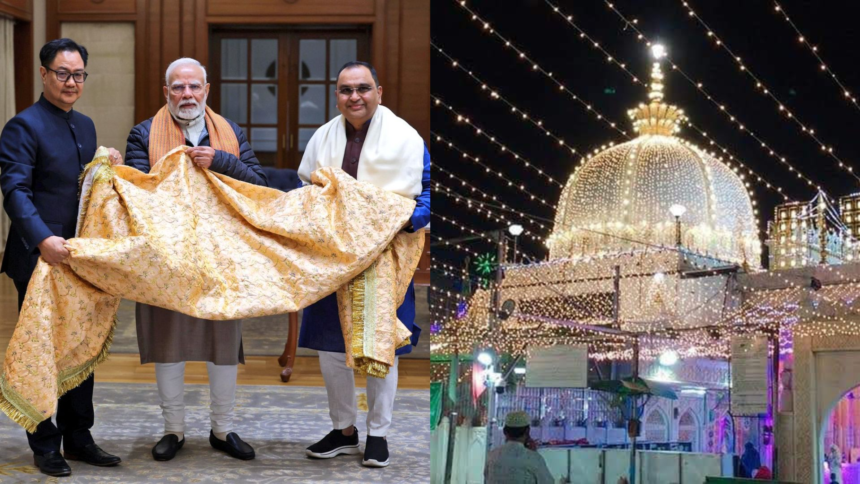
Supreme Court Rejects Urgent Plea Against PMO’s Chadar Offering at Ajmer Sharif — 5 Key Details
The Supreme Court Rejects to list an urgent plea challenging the PMO’s chadar offering at Ajmer Sharif Dargah scheduled for December 22
The Supreme Court of India has refused to list an urgent plea challenging the Prime Minister’s Office (PMO) decision to offer a chadar at the Ajmer Sharif Dargah on December 22, declining to grant an emergency hearing in the matter. The decision has sparked renewed debate over the intersection of governance, religious traditions, and constitutional principles, while also drawing attention to the court’s consistent approach toward urgent listings.
The plea, filed ahead of the scheduled ceremonial offering, sought immediate judicial intervention, arguing that the act raised constitutional concerns. However, the apex court made it clear that the issue did not warrant urgent consideration.
The petitioner urged the Supreme Court to urgently hear a challenge to the PMO’s traditional practice of sending a chadar to the Ajmer Sharif Dargah, one of the most revered Sufi shrines in the country. The offering is typically made annually on behalf of the Prime Minister during the Urs or significant religious occasions.
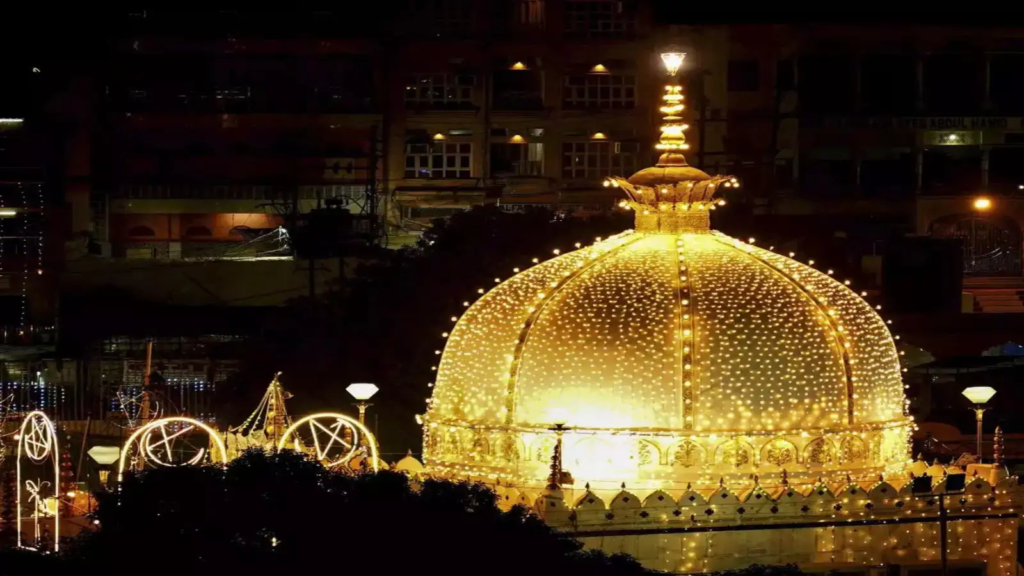
According to the plea, such an act by the PMO allegedly blurred the line between the state and religion, raising questions under constitutional provisions related to secularism and equality. The petitioner requested the court to restrain the PMO from proceeding with the offering scheduled for December 22.
When the matter was mentioned for urgent listing, the Supreme Court declined to entertain it on an emergency basis. The court reportedly observed that not every issue touching upon religion qualifies for urgent judicial intervention, especially when no immediate or irreversible harm is demonstrated.
Legal experts note that the Supreme Court follows a strict standard for urgent listings, usually reserving such hearings for matters involving fundamental rights violations, imminent threats, or irreversible consequences.
By refusing urgent listing, the court did not dismiss the petition outright but indicated that it could be taken up in the normal course, subject to procedural scrutiny.
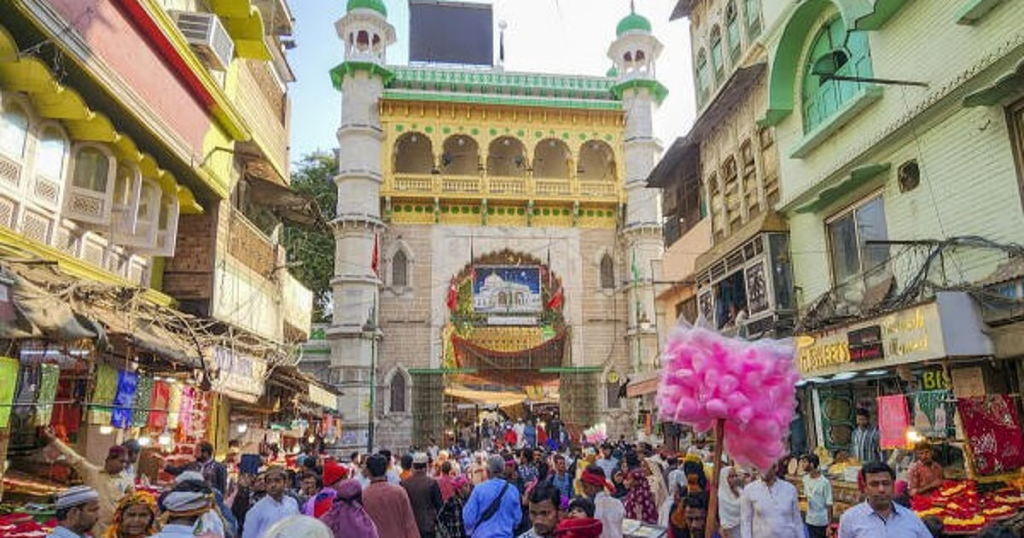
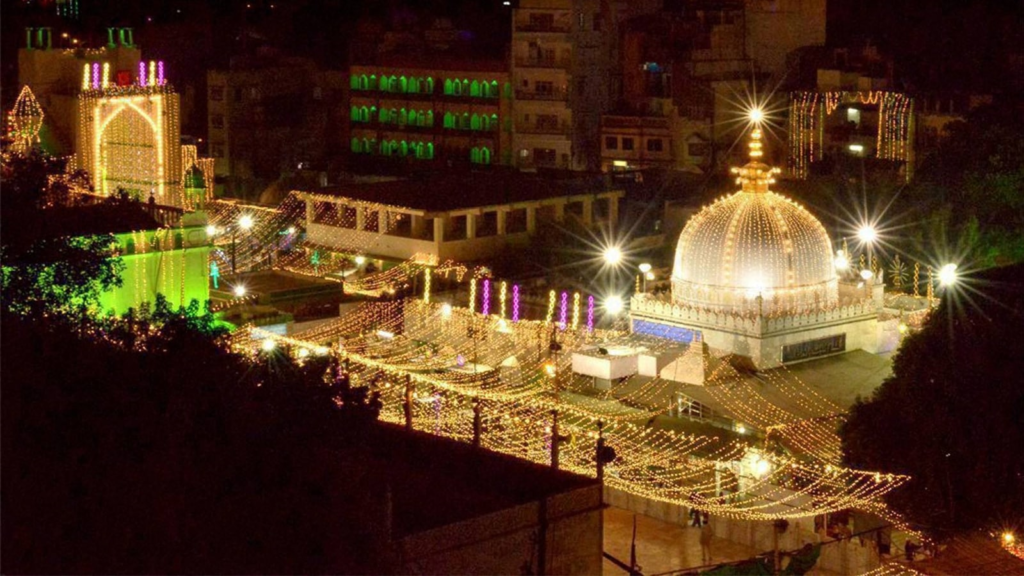
The Ajmer Sharif Dargah, located in Rajasthan, is the shrine of the Sufi saint Khwaja Moinuddin Chishti and attracts millions of devotees from across religions and countries. The tradition of rulers and heads of government offering a chadar at the shrine dates back centuries, symbolizing respect, harmony, and inclusiveness.
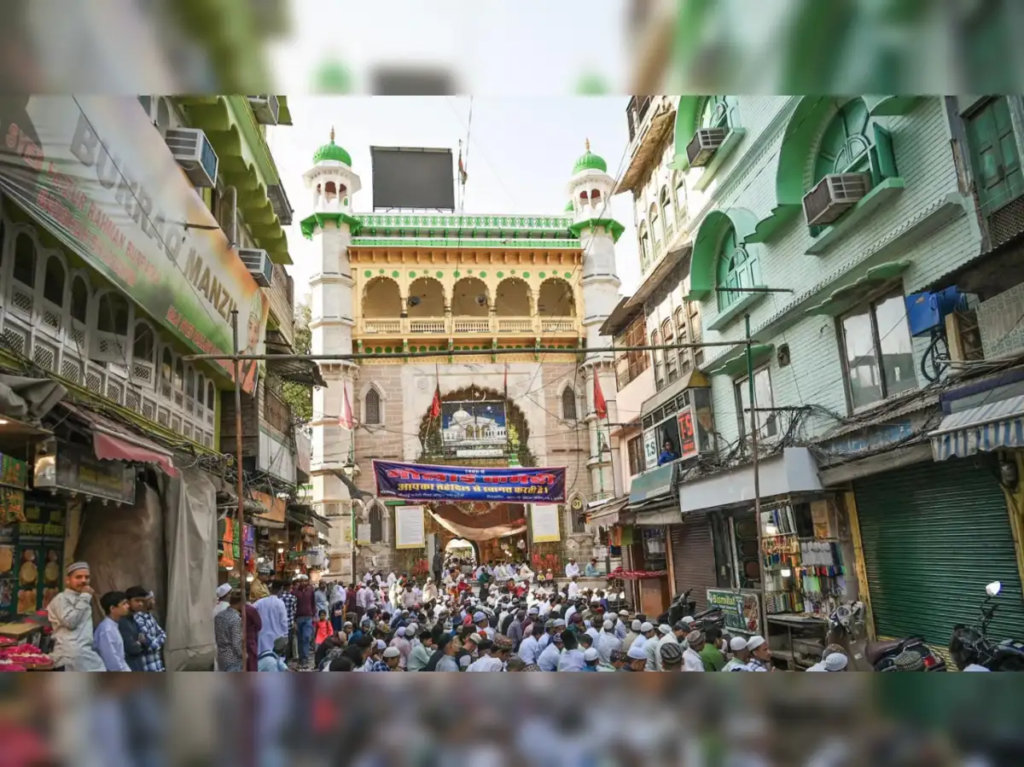
Successive Indian Prime Ministers, regardless of political affiliation, have continued the practice of sending a chadar through representatives, often accompanied by a message of peace and unity.
Supporters of the tradition argue that it reflects India’s syncretic culture, rather than religious endorsement by the state.
The plea brought to the forefront a long-standing constitutional debate: Does participation in religious traditions by state representatives violate secularism?
India’s secularism, as interpreted by courts, differs from strict separation models. Instead, it allows the state to engage with all religions equally, without favoring or discriminating against any.
Legal scholars point out that the Supreme Court has, in previous judgments, acknowledged India’s unique secular framework, where ceremonial or cultural participation does not automatically amount to constitutional violation.
The refusal to list the plea urgently suggests that the court may not view the issue as a pressing constitutional emergency.
The Supreme Court’s decision has drawn mixed reactions. Some commentators welcomed the refusal, stating that courts should not be burdened with petitions over ceremonial or symbolic practices unless a clear legal injury is shown.
Others argued that the issue deserves deeper judicial examination, even if not on an urgent basis, to clarify the limits of state involvement in religious activities.
Political reactions remained measured, with no major party issuing immediate statements, possibly to avoid escalating a sensitive issue involving faith and governance.
Senior advocates and constitutional experts observed that the court’s refusal aligns with its recent trend of discouraging last-minute petitions filed close to significant dates.
Urgency is not determined by the calendar alone. The court looks for irreparable harm. Symbolic acts, even if controversial, usually do not meet that threshold.”
Another expert pointed out that the petitioner still has the option to pursue the case through regular hearings, where constitutional arguments can be examined in detail.
Indian courts have previously dealt with cases involving religious symbolism and state actions. In several rulings, the judiciary has emphasized:
- Equal treatment of all religions
- Absence of coercion or discrimination
- Context and intent behind state actions
In many instances, courts have refrained from interfering in long-standing cultural or traditional practices unless there is a clear violation of constitutional rights.
The Ajmer Sharif chadar offering has not previously been restrained by judicial orders, strengthening the view that it is largely seen as a ceremonial and cultural gesture.
The PMO has traditionally sent the chadar through appointed representatives, often accompanied by prayers for national well-being. Officials have historically maintained that the practice is symbolic and inclusive, reflecting respect for India’s pluralistic heritage.
No immediate response was issued by the PMO following the Supreme Court’s refusal to list the plea urgently.
The urgency plea was linked to the specific date of December 22, when the chadar offering was scheduled. Petitioners argued that once the event takes place, the issue would become infructuous.
However, the court’s refusal suggests that timing alone does not establish urgency, particularly when the underlying issue concerns recurring practices rather than a one-time irreversible action.
The Supreme Court’s decision reinforces a key judicial principle: courts will not intervene in every politically or religiously sensitive issue unless strict legal thresholds are met.
It also signals caution against the increasing trend of filing urgent pleas close to symbolic or ceremonial events, a practice the judiciary has repeatedly criticized.
At the same time, the episode underscores the ongoing tension in public discourse around secularism, tradition, and the role of the state in religious life.
While the urgent listing has been refused, the petitioner may still pursue the case through:
- Regular listing procedures
- Filing additional legal grounds
- Seeking clarification on constitutional principles
Whether the court eventually takes up the matter on merits remains to be seen.
Read Also : Sikh Parade in New Zealand Heckled by Christian Group: 5 Shocking Moments Capture Tension