Top 5 Real Estate Hotspots in Mumbai for 2026: Smart Investment Zones You Can’t Ignore
Discover the top 5 real estate hotspots in Mumbai for 2026, offering strong ROI, infrastructure growth, and high demand—your strategic guide to smart property investment
Mumbai, India’s financial capital, continues to remain one of the most dynamic and resilient real estate markets in Asia. Despite economic fluctuations and global uncertainties, the city’s property sector has consistently demonstrated strong demand driven by infrastructure expansion, rising income levels, and steady migration. As we move into 2026, investors are increasingly looking beyond traditional prime locations and identifying emerging micro-markets that promise higher returns and long-term growth.
If you’re planning to invest in property in Mumbai, understanding the next wave of real estate hotspots can make the difference between average returns and exceptional gains. Here’s a strategic guide to the top five areas expected to dominate Mumbai’s property investment landscape in 2026.
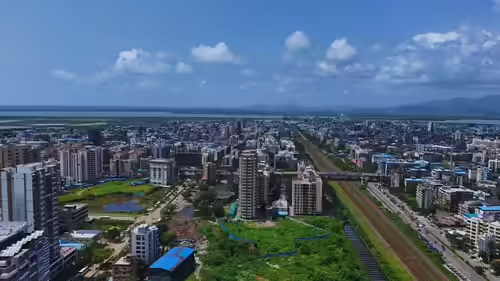
Once considered a satellite city, Thane has rapidly transformed into one of the most attractive real estate destinations in the Mumbai Metropolitan Region (MMR). The area offers a rare mix of affordability, connectivity, and modern infrastructure.
- Strong connectivity via Eastern Express Highway and upcoming Metro lines
- Rapid growth of IT parks and commercial hubs
- Better air quality and planned urban layouts compared to central Mumbai
Developers are launching premium projects with world-class amenities, making Thane appealing not just to first-time buyers but also to seasoned investors. With metro connectivity expanding and commercial activity rising, capital appreciation potential remains strong for the next decade.
Navi Mumbai is no longer just an alternative to Mumbai—it’s evolving into a self-sufficient urban ecosystem. Massive infrastructure projects are redefining the region’s growth trajectory, making it a top pick for long-term investors.
- Navi Mumbai International Airport nearing completion
- Mumbai Trans Harbour Link improving connectivity to South Mumbai
- Growing corporate presence and planned smart city zones
Areas like Ulwe, Panvel, and Kharghar are witnessing rising demand due to their proximity to upcoming infrastructure. Early investors are likely to benefit the most, as property prices are still relatively lower compared to mainland Mumbai.
Goregaon has emerged as one of the most balanced real estate destinations in suburban Mumbai, offering a mix of residential luxury and corporate presence. The western suburb has evolved rapidly due to business parks, film studios, and retail hubs.
- Presence of IT and media companies
- Metro connectivity enhancing east-west travel
- Proximity to key business districts like Andheri and Malad
The western suburbs traditionally command higher rental yields, and Goregaon stands out for its ability to attract both end-users and investors. With redevelopment projects and infrastructure upgrades, this micro-market is expected to maintain steady appreciation.
Chembur has steadily reinvented itself over the last decade. Once an industrial suburb, it now boasts upscale residential complexes, improved roads, and excellent connectivity to multiple parts of the city.
- Strategic location between South Mumbai and Navi Mumbai
- Connectivity via Eastern Freeway and Monorail
- Increasing demand from professionals working in BKC and Lower Parel
With redevelopment gaining pace and lifestyle infrastructure improving, Chembur is becoming a premium residential zone. Its central location ensures consistent demand, making it ideal for investors seeking rental income and stability.
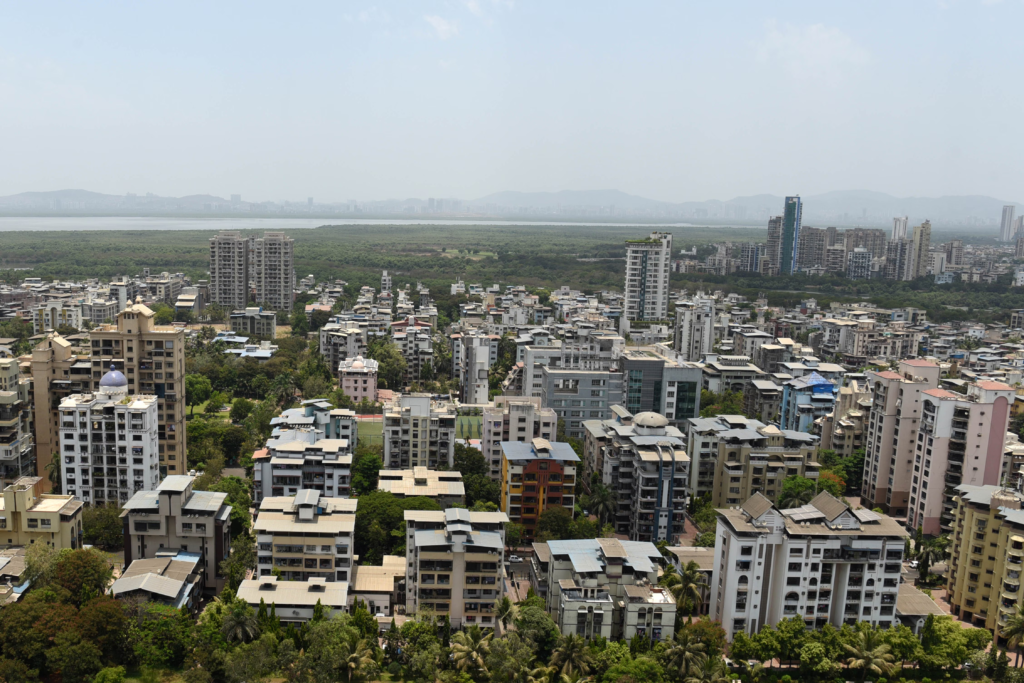
For investors with a tighter budget but a long-term outlook, the Dombivli-Kalyan belt offers tremendous potential. The region is benefiting from large-scale infrastructure upgrades and improved connectivity to Mumbai’s commercial hubs.
- Affordable entry points for investors
- Upcoming metro and suburban rail upgrades
- Growing township developments
Large integrated townships are reshaping the region into a self-sustaining urban zone with schools, malls, and healthcare facilities. While capital appreciation may take time, early investments here could yield strong returns over 7–10 years.
1. Infrastructure-Led Appreciation
Mega infrastructure projects such as metro expansions, coastal roads, and trans-harbour links are dramatically reducing travel time across the city. Historically, such developments have led to exponential property value growth in nearby areas.
2. Rise of Hybrid Work Culture
Even as offices reopen, hybrid work models are influencing buyer preferences. Homebuyers now seek larger homes, better amenities, and suburban locations with improved connectivity—benefiting emerging hotspots.
3. Increased Investor Confidence
Lower inventory levels, rising rental demand, and stable interest rates are boosting confidence among investors. Mumbai’s status as a financial hub ensures consistent demand from professionals and entrepreneurs.
4. Redevelopment Wave
Redevelopment projects across old housing societies are unlocking value in prime locations. Investors are increasingly targeting areas undergoing transformation, where new supply can command premium pricing.
Focus on Infrastructure Corridors
Invest near metro lines, highways, and upcoming transport hubs. Properties located within 1–2 km of major infrastructure projects typically witness faster appreciation.
Evaluate Rental Yield
If you’re investing for passive income, western suburbs and central locations offer higher rental demand compared to far-off peripheral areas.
Check Developer Reputation
Mumbai’s real estate market is highly brand-driven. Opt for reputed developers with strong delivery records to minimize risk.
Think Long-Term
Short-term speculation rarely works in Mumbai. A holding period of 5–10 years often delivers the best returns.
While Mumbai’s real estate market remains robust, investors should stay mindful of potential risks:
- Regulatory changes affecting property taxes or stamp duty
- Delays in infrastructure completion timelines
- Overpricing in saturated micro-markets
Conducting thorough due diligence and avoiding herd mentality can help mitigate these risks.
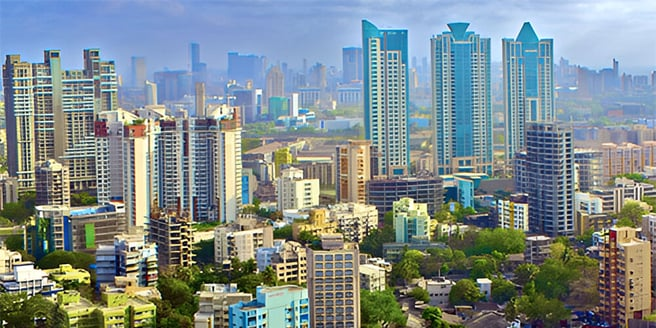
Mumbai’s real estate sector is entering a new phase defined by decentralization and infrastructure-driven growth. Instead of relying solely on traditional luxury zones, investors are increasingly diversifying into emerging suburbs that promise better value and higher returns.
As the city expands outward and connectivity improves, the definition of “prime property” is evolving. Areas once considered peripheral are now becoming investment magnets, thanks to strategic infrastructure planning and rising urban demand.