


Unnao Rape Case Shock: 7 Explosive Points on What CBI Told Supreme Court About Kuldeep Sengar
CBI calls the order ‘perverse’ in the Unnao rape case. Read key arguments presented before the Supreme Court against Kuldeep Sengar
The CBI called the Delhi High Court order suspending the life sentence of Unnao rape case convict Kuldeep Singh Sengar “contrary to law” and “perverse” and opposed the finding that the former BJP MLA was not a “public servant” at the time of the offence. The arguments were part of the CBI’s plea before the Supreme Court as it challenged the December 23 High Court order that has stirred nationwide outrage and protests in the capital. India Today has obtained the CBI petition exclusively.
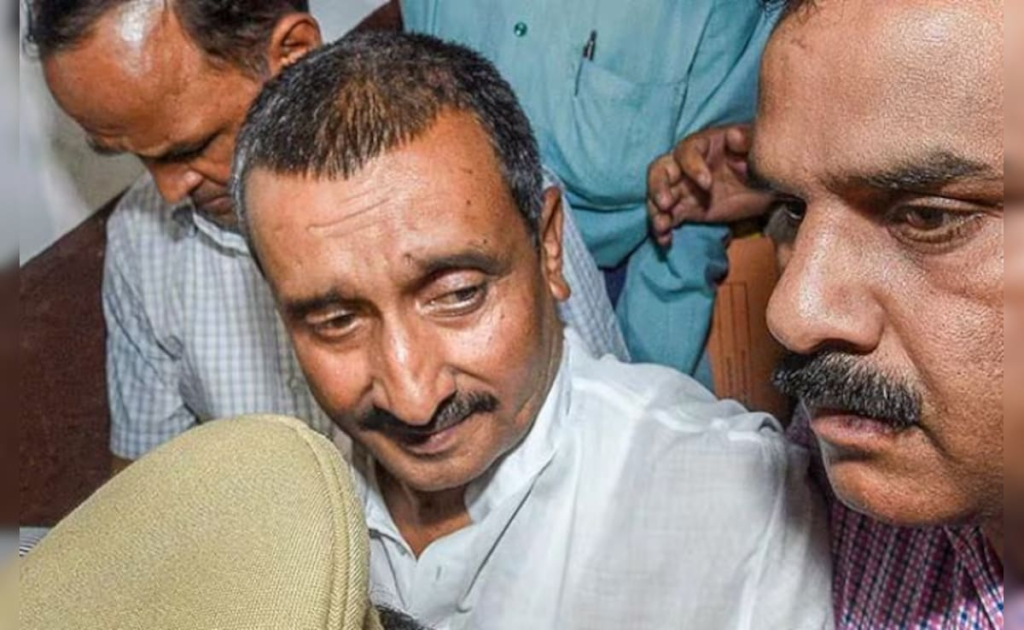
A key part of the CBI’s argument was on the Delhi High Court’s ruling that Sengar was not a “public servant” as defined under the POCSO Act. Thus, the court said the charge of “aggravated penetrative sexual assault by a public servant” of a minor, which carries a jail term of 20 years, cannot be applied to Sengar.
However, the CBI stated that a sitting MLA is undeniably a “public servant” by virtue of holding a constitutional office, which vests them with public trust and authority over the electorate.
The CBI said the High Court erred in law by failing to adopt a purposive interpretation of the POCSO Act, which is aimed at punishing exploitation and sexual abuse of children by “public servants” or individuals wielding political or social authority.
“The order passed by the High Court was perverse and contrary to law because the court failed to consider that a sitting MLA, by virtue of holding a constitutional office, is vested with public trust… and that such a position carries heightened responsibility arising from duties owed to the society,” the CBI plea said.
Sengar was convicted of kidnapping and raping the girl in 2017, when she was a minor. The case came to light after the survivor tried to set herself on fire outside Uttar Pradesh Chief Minister Yogi Adityanath’s residence in April 2018.
Following the High Court order, the survivor and her mother staged a protest near the India Gate and also met Congress leaders Sonia and Rahul Gandhi. The survivor was allegedly manhandled and removed from the protest site by security personnel, adding to the growing outrage.
In its petition, the CBI stated that Sengar was a highly influential person having muscle and money power. “The life and safety of the survivor and her family will be under threat if Kuldeep Singh Sengar is allowed to be released from jail,” the CBI said.
Seeking a pause on the High Court order, the CBI underscored that post conviction, jail is the rule and bail or suspension of sentence is the exception.
Reiterating the objectives of the POCSO Act, the CBI said the law was not only meant to recognise the constitutional rights of children on care, safety and dignity but also protection from sexual abuse and exploitation.
The Unnao rape case once again came into sharp focus as the Central Bureau of Investigation (CBI) strongly criticised a judicial order linked to former Uttar Pradesh MLA Kuldeep Singh Sengar, calling it “perverse” before the Supreme Court of India. The submission has reignited debate over judicial accountability, victim rights, and the handling of sensitive criminal cases involving powerful political figures.
The Unnao rape case dates back to 2017, when a minor girl accused then BJP MLA Kuldeep Sengar of raping her. The case shocked the nation not only because of the brutal nature of the crime but also due to the alleged misuse of political power to intimidate the victim and her family. Following nationwide outrage and media attention, the Supreme Court transferred the investigation to the CBI and moved the trial out of Uttar Pradesh to ensure fairness.
Kuldeep Sengar was eventually convicted and sentenced to life imprisonment in 2019. However, the case has continued to surface in courts due to connected proceedings, appeals, and legal interpretations surrounding evidence and procedural orders.
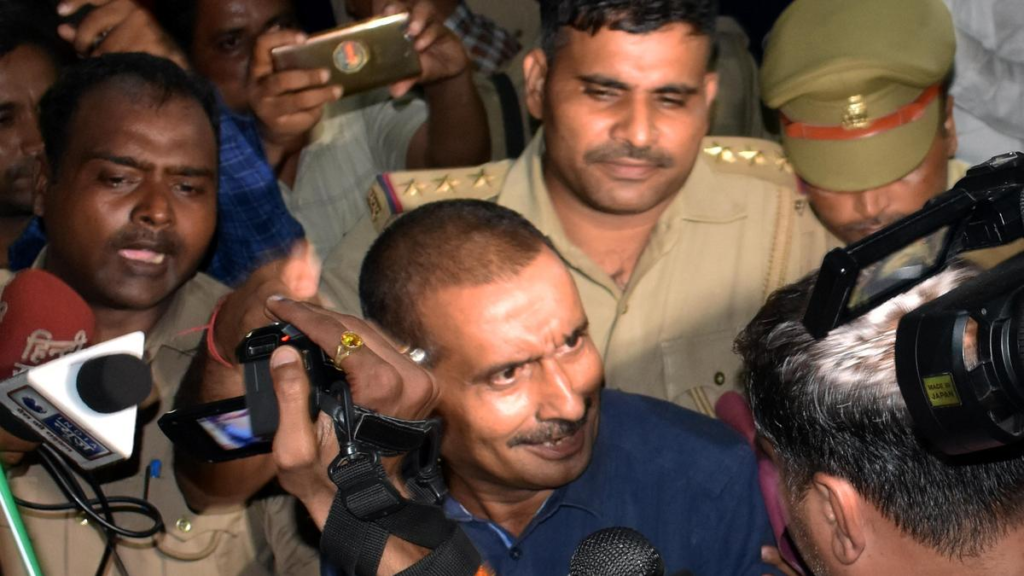
During a recent hearing, the CBI sharply objected to a particular order passed by a lower court, describing it as “perverse” and legally unsustainable. The agency argued that the order ignored settled principles of criminal law and failed to properly appreciate the gravity of the offence and the evidence on record.
According to the CBI, such an order not only weakens the prosecution’s case but also sends a dangerous signal in crimes involving sexual violence. The agency maintained that courts must exercise extreme caution while dealing with cases where victims have already faced immense trauma, social pressure, and threats.
The CBI further stressed that judicial discretion should not be exercised in a manner that undermines justice or dilutes accountability, especially in cases involving influential accused persons.
The Supreme Court bench took note of the CBI’s concerns and indicated that it would examine whether the order in question suffered from serious legal infirmities. While the apex court refrained from making final observations at this stage, it acknowledged the importance of ensuring that justice is not only done but also seen to be done in cases of such national significance.
The court also reiterated its long-standing stance that sexual offence cases require a sensitive, victim-centric approach and strict adherence to legal standards.
The Unnao rape case has become a symbol of the challenges faced by survivors seeking justice against powerful individuals. The alleged harassment of the victim’s family, the suspicious death of key witnesses, and the tragic road accident that killed the victim’s relatives had earlier drawn sharp criticism of the system.
The CBI’s strong language before the Supreme Court reflects broader concerns about how procedural lapses or flawed judicial orders can impact public confidence in the criminal justice system.
Legal experts believe that the Supreme Court’s eventual ruling could set an important precedent on how appellate courts should scrutinize orders in sensitive criminal cases.
This development also underscores the role of investigative agencies and higher courts in acting as safeguards against miscarriages of justice. When institutions fail at any level, it is often the survivor who bears the heaviest burden.
As the Supreme Court continues to hear the matter, all eyes remain on whether the apex court will intervene decisively to correct what the CBI has termed a “perverse” order.
The outcome could have far-reaching implications, not just for the Unnao rape case, but for how India’s legal system handles crimes involving power, politics, and sexual violence in the future.
Read Also : Married to a Starkid, Ugly Divorce, New Love: 3 Shocking Chapters of This Actress’ Life

