US Issues Major Ultimatum to Iran: 5 Key Demands to Keep the Strait of Hormuz Open
The US has urged Iran to declare the Strait of Hormuz open and ensure commercial ships are not attacked
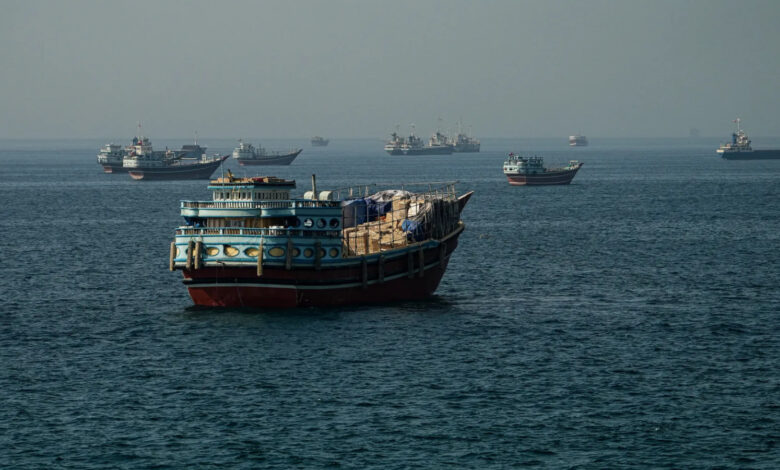
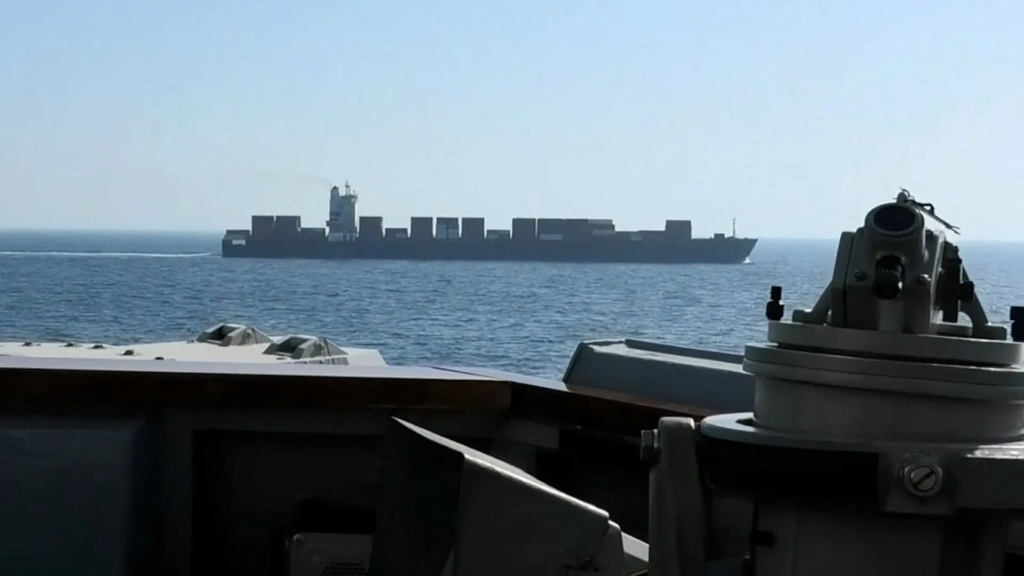
The Strait of Hormuz has once again become the focus of global attention after the United States called on Iran to publicly declare that the strategic waterway will remain open and that commercial ships passing through it will not be targeted. The appeal comes amid heightened regional tensions and growing concerns over maritime security, energy supplies, and international trade.
The Strait of Hormuz is one of the world’s most critical maritime routes, connecting the Persian Gulf with the Gulf of Oman and the Arabian Sea. A significant share of the world’s crude oil, liquefied natural gas (LNG), and other energy products passes through this narrow passage every day. Any disruption to shipping in the area can have immediate consequences for global markets, oil prices, insurance costs, and supply chains.
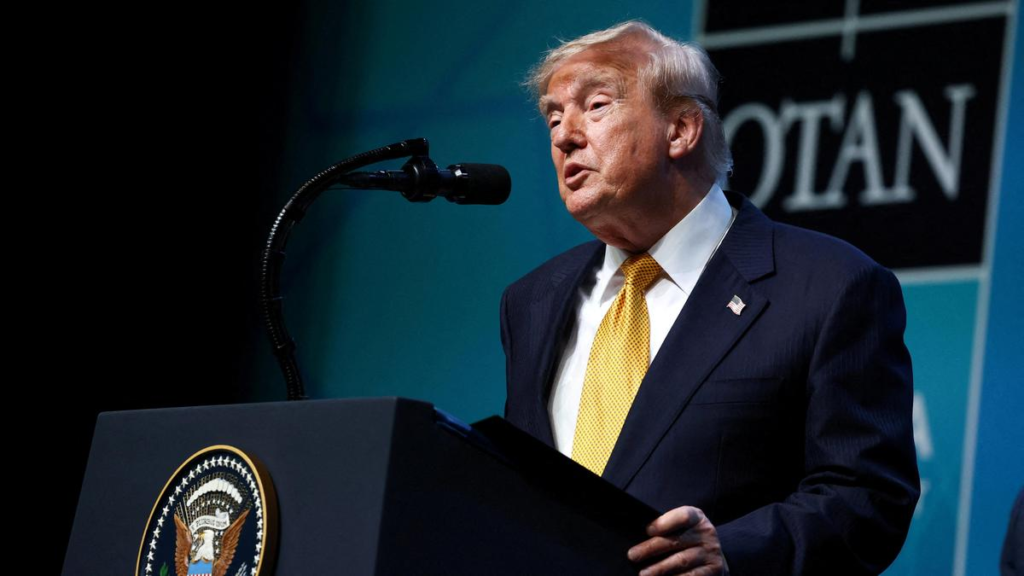
The latest US demand reflects broader international concerns about maintaining freedom of navigation and preventing further escalation in one of the world’s most strategically important regions.
The Strait of Hormuz is often described as one of the world’s most important energy chokepoints.
Its strategic importance stems from several factors:
- It serves as the primary export route for oil produced by Gulf nations.
- Large volumes of liquefied natural gas transit through the waterway.
- International cargo vessels rely on the route for regional trade.
- Energy-importing countries depend on uninterrupted shipping through the strait.
- Any disruption can affect fuel prices worldwide.
Because of its importance, developments in the Strait of Hormuz are closely monitored by governments, shipping companies, financial markets, and energy producers.
The United States has emphasized that commercial shipping should be allowed to move safely through international waterways.
Officials have urged Iran to provide clear assurances that:
- The Strait of Hormuz will remain open.
- Commercial ships will not face attacks or interference.
- International navigation rights will be respected.
- Regional tensions should not disrupt global trade.
The US has repeatedly stated that maintaining secure maritime routes is essential for global economic stability.
Washington has also worked with international partners to support maritime security in the region.
Iran occupies a key geographic position along the northern coast of the Strait of Hormuz.
Because of this location, developments involving Iran often attract significant international attention whenever tensions rise in the Gulf.
Iran has consistently maintained that maritime security should be preserved while also emphasizing its own national security concerns.
At the same time, international observers closely watch official statements and military activities in the region because of their potential impact on shipping.
One reason the Strait of Hormuz receives so much attention is its central role in global energy markets.
Many of the world’s largest oil-producing countries export crude oil through this route.
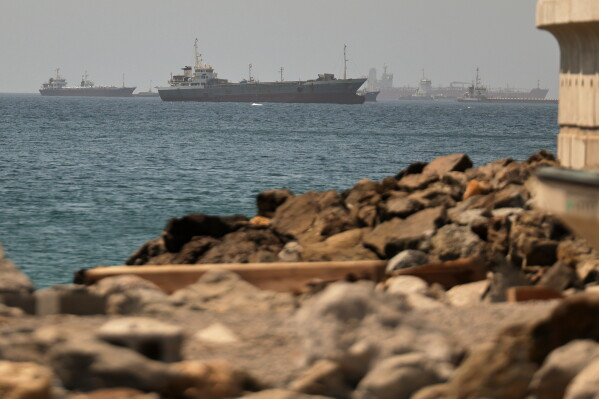
Energy shipments passing through the strait supply markets across:
- Asia
- Europe
- North America
- Africa
Any disruption could affect:
- Oil prices
- Fuel costs
- Transportation expenses
- Manufacturing
- Electricity generation
- Inflation
Energy analysts therefore closely monitor geopolitical developments affecting the region.
The importance of the Strait extends beyond oil.
Commercial cargo ships transport:
- Industrial equipment
- Consumer goods
- Chemicals
- Agricultural products
- Machinery
- Raw materials
Shipping disruptions could delay deliveries, increase transportation costs, and place additional pressure on already complex global supply chains.
For businesses that rely on predictable shipping schedules, stability in the Strait of Hormuz remains essential.
Over the years, several incidents involving commercial vessels have highlighted the importance of maritime security in the Gulf.
Governments and international organizations have consistently emphasized:
- Safe navigation
- Protection of merchant vessels
- International maritime law
- Freedom of navigation
- Regional cooperation
Many countries maintain naval deployments in the region to help protect shipping lanes and respond to emergencies.
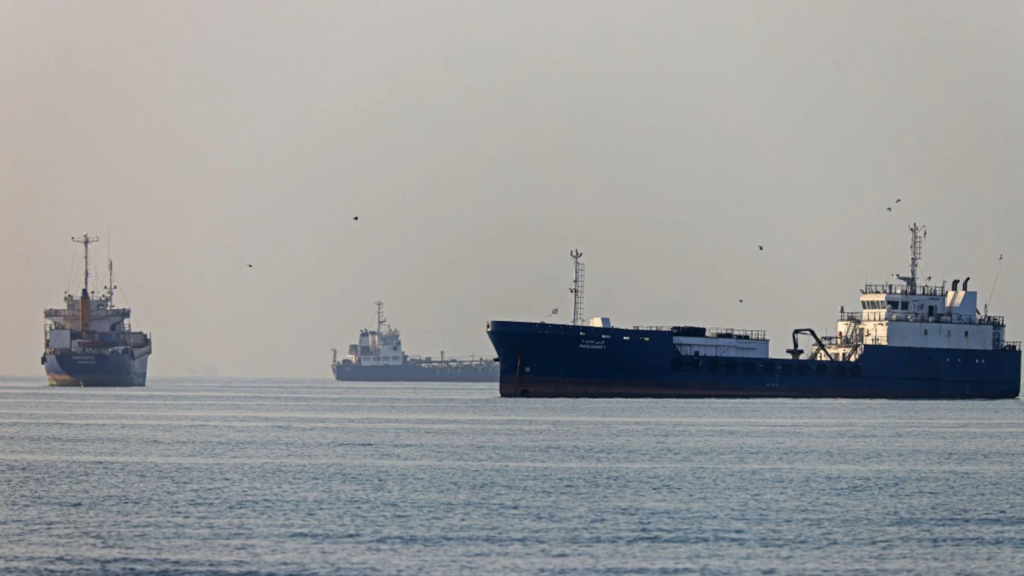
Diplomacy continues to play a central role in reducing tensions.
International leaders have repeatedly called for:
- Dialogue
- Restraint
- Peaceful dispute resolution
- Regional cooperation
- Respect for international law
Many governments believe diplomatic engagement remains the most effective path toward maintaining long-term stability.
Financial markets often react quickly to developments involving the Strait of Hormuz.
Potential consequences of uncertainty include:
- Rising oil prices
- Higher shipping insurance premiums
- Increased freight costs
- Market volatility
- Currency fluctuations
- Investor uncertainty
Businesses that depend on imported energy closely follow events in the region.
Shipping companies carefully monitor official advisories before sending vessels through high-risk areas.
When tensions rise, operators may:
- Review voyage plans.
- Increase security measures.
- Coordinate with maritime authorities.
- Update insurance arrangements.
- Monitor navigation advisories.
These precautions help reduce operational risks while maintaining trade flows.
The Strait of Hormuz is governed by international maritime principles that support the movement of commercial shipping.
Freedom of navigation remains a widely recognized principle for international waterways.
Many countries stress that maintaining these rights is essential for global commerce.
International organizations continue encouraging all parties to resolve disagreements peacefully.
Several Gulf countries share an interest in keeping shipping lanes secure.
Stable maritime conditions benefit:
- Exporting countries
- Importing nations
- Shipping companies
- Energy producers
- Consumers
Regional dialogue and confidence-building measures can contribute to reducing misunderstandings.
Oil traders closely monitor every development involving the Strait of Hormuz.
Even speculation regarding possible disruptions can influence:
- Crude oil futures
- Natural gas markets
- Refining margins
- Energy company shares
Analysts generally note that markets prefer stability and predictable shipping conditions.
Experts widely agree that reducing tensions benefits all parties involved.
A stable maritime environment supports:
- International trade
- Economic growth
- Energy security
- Investment
- Consumer confidence
Constructive diplomatic engagement can help prevent misunderstandings from escalating into larger crises.
The coming days and weeks are expected to remain important as governments continue diplomatic discussions and monitor developments in the Gulf.
Observers will be watching for:
- Official statements
- Diplomatic meetings
- Maritime advisories
- Regional security developments
- Shipping activity
- Energy market reactions
While uncertainty remains, many international partners continue advocating for peaceful dialogue and uninterrupted commercial navigation.
The Strait of Hormuz affects far more than the countries located around the Persian Gulf.
Consumers worldwide may indirectly feel the effects through:
- Fuel prices
- Transportation costs
- Airline expenses
- Manufacturing costs
- Inflation
- Supply chain performance
This explains why developments involving the Strait frequently become major international news.
Read Also : Governor Inaugurates Mumbai Startup Festival 2026: 7 Powerful Highlights You Need to Know