India Secures 25+25 Days Fuel Buffer: Massive Crude Oil and Petrol-Diesel Stockpile Revealed
India maintains 25 days of crude oil reserves and 25 days of petrol and diesel stock, strengthening energy security and creating a 50-day fuel buffer amid global supply uncertainties and geopolitical tensions
India currently maintains 25 days of crude oil reserves along with 25 days of petrol and diesel stock, creating a combined 50-day fuel cushion designed to safeguard the nation against global supply disruptions. The announcement highlights India’s strategic preparedness at a time when geopolitical tensions, volatile oil prices, and global trade uncertainties continue to rattle energy markets.
As the world’s third-largest oil consumer, India’s energy security framework plays a critical role not just in domestic stability but also in regional economic balance. The confirmation of substantial reserves sends a strong signal that policymakers are prioritizing resilience amid unpredictable global conditions.
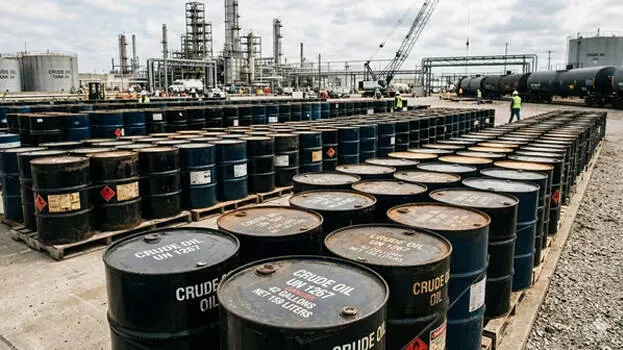
The 25 days of crude oil reserve refers to unrefined petroleum stored primarily in underground strategic facilities. Meanwhile, the 25 days of petrol and diesel stock represents refined fuel products stored by oil marketing companies and refineries across the country.
Together, these reserves form a layered defense mechanism:
- Crude Oil Reserves: Strategic storage for refining when imports are disrupted.
- Petrol & Diesel Stocks: Immediate consumer-level supply security.
This dual-layer structure ensures continuity from import terminals to fuel pumps, minimizing the risk of shortages in the event of global supply chain breakdowns.
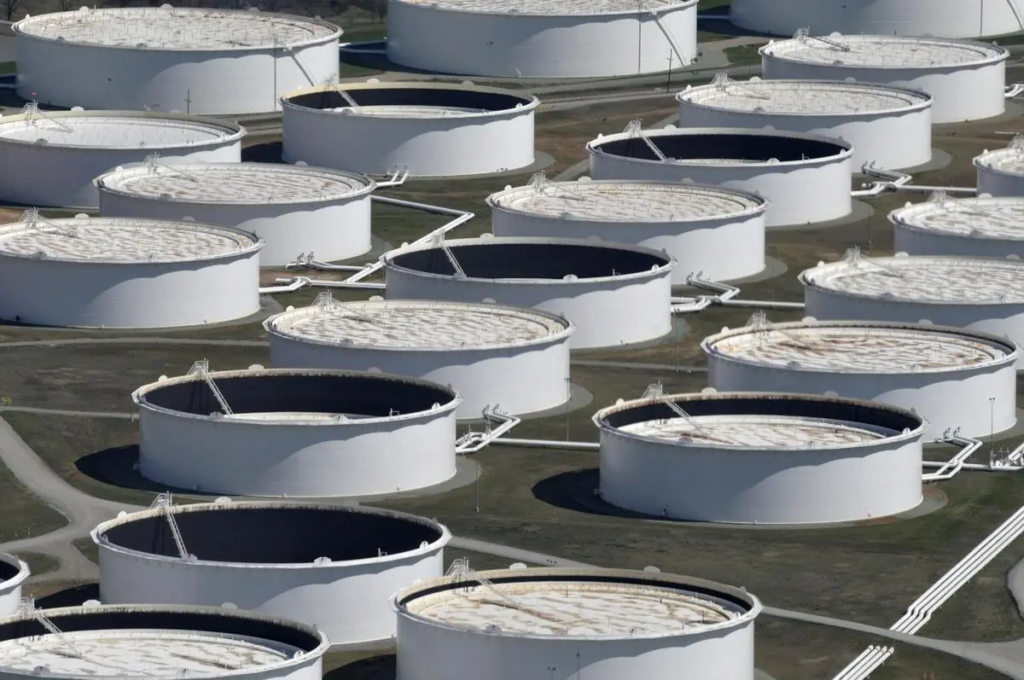
India’s Strategic Petroleum Reserve (SPR) program was designed to protect the country from oil shocks similar to those experienced during past global crises. Strategic reserves are typically stored in specialized underground rock caverns to ensure safety and longevity.
These reserves are not intended for everyday use but act as emergency stockpiles during wars, embargoes, or extreme price spikes. Maintaining 25 days of crude oil supply ensures that even if imports temporarily halt, refineries can continue operating.
Given that India imports nearly 85% of its crude oil requirements, such preparedness is crucial.
Global oil markets have been especially volatile in recent years due to conflicts in oil-producing regions, sanctions regimes, and supply chain bottlenecks. Disruptions in major shipping routes or geopolitical flare-ups can instantly impact crude availability and prices.
For a rapidly growing economy like India, fuel stability is directly linked to:
- Inflation control
- Industrial production
- Transportation networks
- Agricultural operations
A sudden fuel shortage could disrupt logistics, spike commodity prices, and impact daily life for millions.
The 50-day combined buffer provides breathing room for policymakers to stabilize imports, negotiate supply routes, or tap alternative markets.
Many advanced economies maintain significant strategic reserves. The United States, for example, operates one of the world’s largest petroleum reserves. European nations also maintain mandatory stock levels under international energy agreements.
India’s 25-day crude reserve is considered a foundational stage in its long-term energy strategy. Authorities have already outlined expansion plans to increase reserve capacity in the coming years, aiming to strengthen resilience further.
While reserves provide supply stability, they do not automatically guarantee lower fuel prices. Petrol and diesel pricing in India depends on a mix of global crude prices, refining costs, taxation, and currency exchange rates.
However, adequate stock levels can help prevent panic-driven price spikes during crises. In times of extreme volatility, the government can use reserves strategically to moderate supply pressure.
This becomes particularly important during festive seasons, agricultural cycles, or high-demand travel periods.
Energy security directly affects India’s macroeconomic stability. Fuel availability supports:
- Freight transportation
- Aviation operations
- Power generation
- Manufacturing output
By maintaining a 50-day combined fuel buffer, India reduces the risk of sudden industrial slowdown due to supply interruptions.
Stable energy access also strengthens investor confidence. Global investors closely monitor how major economies manage energy shocks. Adequate reserves signal preparedness and long-term policy planning.
India has one of Asia’s largest refining capacities, with both public and private sector refineries operating across multiple states. The country not only meets domestic demand but also exports refined petroleum products to international markets.
The 25 days of petrol and diesel stock are distributed across refineries, depots, and retail supply chains. This decentralized storage model ensures regional balance and reduces the risk of localized shortages.
Oil marketing companies routinely adjust inventory levels based on consumption patterns, ensuring efficient distribution nationwide.
1️⃣ High Import Dependence: Heavy reliance on foreign crude leaves India vulnerable to external shocks.
2️⃣ Currency Fluctuations: Oil purchases are typically made in US dollars, exposing India to exchange rate risks.
3️⃣ Geopolitical Instability: Conflicts in major oil-producing regions can impact shipping lanes and insurance costs.
To counter these risks, India has diversified its import sources, purchasing crude from multiple regions to reduce dependency on any single supplier.
Energy security is not limited to fossil fuel reserves. India has significantly expanded its renewable energy ambitions, investing heavily in solar, wind, and green hydrogen projects.
While petrol and diesel remain essential for transportation and logistics, the long-term goal includes reducing fossil fuel dependence.
The development of electric vehicle infrastructure and biofuel blending programs also supports energy diversification.
The revelation of 25 days of crude oil reserve and 25 days of refined fuel stock comes amid heightened global uncertainties. Such announcements often serve dual purposes:
- Reassuring domestic consumers
- Signaling preparedness to global markets
Clear communication helps prevent panic buying or misinformation during tense geopolitical periods.
In the event of a severe supply disruption, authorities can release crude from strategic reserves to refineries. Simultaneously, oil marketing companies can optimize distribution from existing petrol and diesel stockpiles.
This coordinated response ensures uninterrupted supply to critical sectors such as defense, healthcare, and essential services.
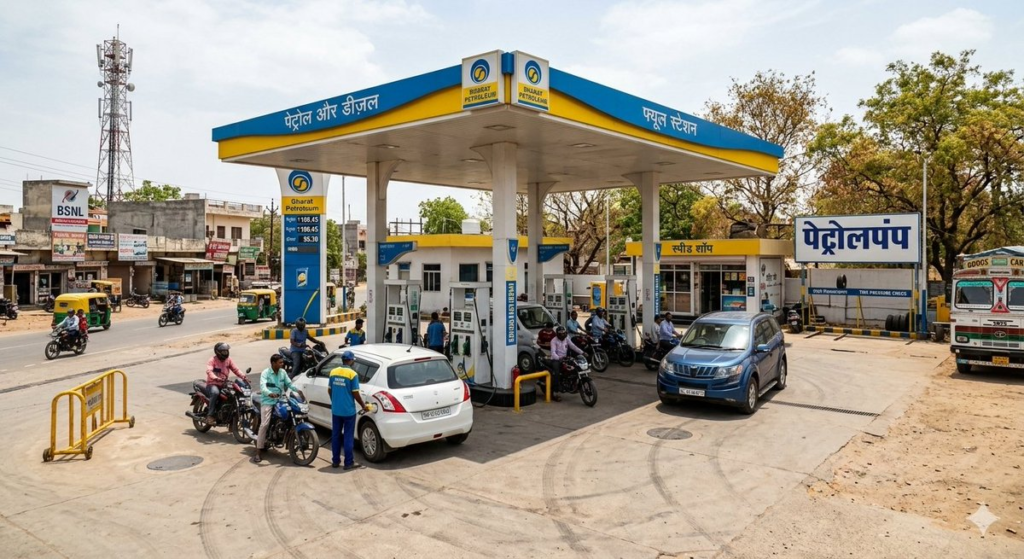
Energy contingency plans are periodically reviewed to ensure operational readiness.
While 50 days of combined fuel security is a significant buffer, policymakers are expected to continue expanding storage capacity. Additional strategic caverns are reportedly under development to increase reserve days in the future.
India’s growing economy will require even greater energy resilience as demand rises year after year.
Balancing economic growth, environmental sustainability, and geopolitical risks will define the next phase of India’s energy journey.