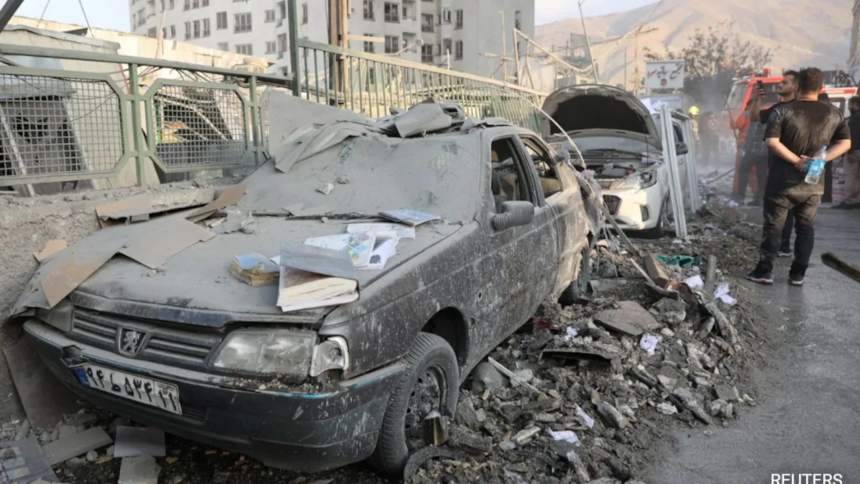
BREAKING 7-Missile Shockwave: Kuwait Responds To Iranian Drone Attacks, Bahrain Sirens Trigger Fresh US-Iran War Fears
US-Iran War Live Updates: Tensions surge across the Gulf as Kuwait responds to missile and drone attacks while emergency sirens sound in Bahrain
The Middle East witnessed another dramatic escalation in tensions as Kuwait and Bahrain were placed on high alert following reports of missile and drone attacks linked to the ongoing conflict involving the United States and Iran. Emergency sirens echoed across parts of Bahrain while Kuwaiti authorities activated security protocols in response to potential aerial threats, raising fears of a broader regional confrontation.
The latest developments come amid growing concerns that the conflict could expand beyond its current boundaries, drawing neighboring Gulf nations deeper into an already volatile situation. Military analysts and international observers are closely monitoring events as governments across the region assess the security implications of the latest attacks.
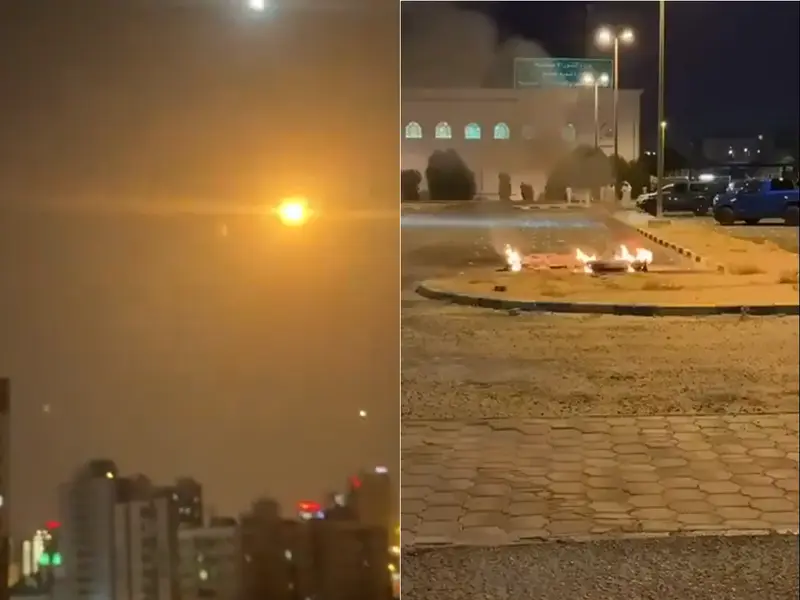
Residents in Bahrain reported hearing emergency warning sirens as authorities urged citizens and expatriates to remain alert. While officials moved quickly to reassure the public that defense systems were operational, the activation of emergency alerts highlighted the seriousness of the security situation.
Social media platforms were flooded with videos and eyewitness accounts showing sirens sounding across various areas. Many residents expressed concern about the possibility of missile strikes targeting strategic installations within the kingdom.
Bahrain hosts important military facilities and has long been considered a key strategic partner for Western allies operating in the Gulf region. As a result, any escalation involving regional military assets immediately attracts global attention.
Authorities emphasized that precautionary measures were being taken to ensure public safety and urged people to follow official updates rather than relying on unverified reports circulating online.
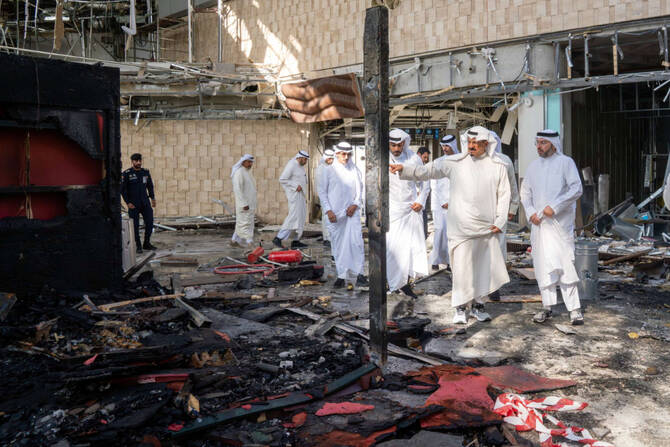
Kuwait also intensified its security posture following reports of missile and drone activity in the region. Government officials confirmed that defense systems were monitoring the situation closely and coordinating with allied nations to assess potential threats.
Security agencies increased surveillance around critical infrastructure, including airports, energy facilities, and government buildings. While no major damage was immediately reported, the heightened state of readiness reflected growing concerns about regional stability.
Kuwait has traditionally played a balancing role in Gulf politics, often advocating diplomatic solutions during periods of regional tension. However, recent developments have forced authorities to prioritize security preparedness amid fears that military exchanges could spread beyond current conflict zones.
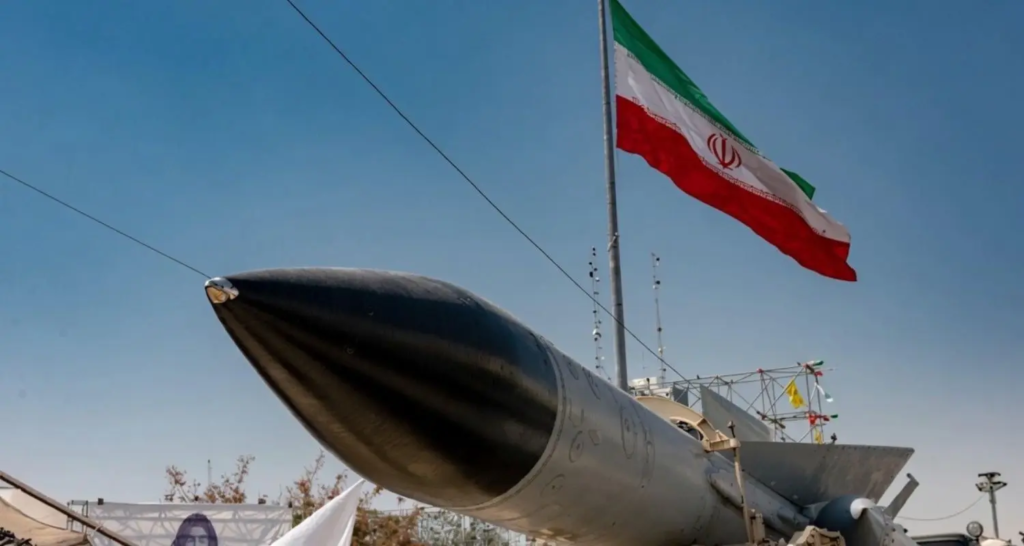
Defense experts note that drone warfare has become a significant feature of modern conflicts, enabling long-range attacks that can challenge traditional defense mechanisms. This evolving threat environment has prompted Gulf states to invest heavily in air-defense technologies and surveillance capabilities.
The latest missile and drone incidents have renewed fears of a wider conflict across the Middle East. Analysts warn that continued military exchanges could increase risks for shipping routes, energy infrastructure, and civilian populations throughout the Gulf region.
The Gulf remains one of the world’s most strategically important regions due to its vast energy reserves and critical maritime trade routes. Any disruption to stability can have immediate consequences for global oil markets, international trade, and economic confidence.
Several countries have reportedly reviewed emergency contingency plans as tensions continue to rise. Airlines, shipping companies, and multinational corporations operating in the region are closely monitoring developments and assessing potential risks to operations.
Security experts argue that the growing use of missiles and drones in regional conflicts has significantly altered the strategic landscape. Unlike traditional warfare, these technologies can strike targets at considerable distances, creating uncertainty and forcing governments to remain constantly vigilant.
Governments around the world have called for restraint and de-escalation following the latest developments. Diplomatic channels remain active as international leaders seek to prevent further deterioration of the security situation.
Major powers have expressed concern over the possibility of miscalculation or unintended escalation. Analysts note that periods of heightened military activity often increase the risk of accidental confrontations that could rapidly spiral into larger conflicts.
International organizations have also urged all parties to prioritize diplomatic engagement and avoid actions that could endanger civilian populations. Humanitarian groups remain concerned about the broader impact of regional instability on vulnerable communities.
Foreign ministries across Europe, Asia, and North America have issued travel advisories encouraging citizens to stay informed and exercise caution while traveling in affected areas.
One of the most immediate consequences of escalating tensions has been uncertainty in global energy markets. Investors are closely watching developments due to the Gulf’s central role in international oil production and transportation.
Oil prices often react sharply to geopolitical instability in the Middle East, particularly when concerns emerge regarding shipping lanes or energy infrastructure. Market analysts suggest that prolonged tensions could contribute to increased price volatility in the coming weeks.
Energy companies operating across the region have reviewed security measures and contingency plans to ensure the safety of personnel and facilities. Governments dependent on energy imports are also monitoring developments closely due to potential implications for fuel costs and economic stability.
Experts emphasize that maintaining uninterrupted energy supplies remains a key priority for both regional governments and the international community.
The latest incidents have highlighted the importance of modern air-defense networks in protecting critical infrastructure and civilian populations. Gulf nations have invested billions of dollars in advanced radar systems, missile interceptors, and surveillance technologies over the past decade.
Military analysts suggest that recent events will likely accelerate efforts to strengthen regional defense cooperation. Enhanced intelligence sharing and joint security initiatives may become increasingly important as countries adapt to evolving threats.
The effectiveness of air-defense systems often plays a crucial role in determining how governments respond during periods of heightened tension. Successful interception of threats can help reduce casualties and infrastructure damage while providing decision-makers with valuable time to assess the situation.
For many residents across the Gulf, the sound of emergency sirens serves as a reminder of the fragile security environment that can emerge during periods of geopolitical confrontation.
Community leaders and government officials have encouraged calm while emphasizing the importance of preparedness. Public information campaigns have been launched in several areas to educate residents about emergency procedures and safety protocols.
Businesses, schools, and institutions are also reviewing contingency plans to ensure continuity of operations should tensions escalate further.
Despite widespread concern, many observers remain hopeful that diplomatic efforts can prevent a broader regional crisis. History has shown that periods of intense confrontation are often followed by renewed negotiations aimed at restoring stability.
The coming days are expected to be critical as regional and international leaders assess the evolving situation. Security agencies will continue monitoring missile and drone activity while diplomatic channels remain active behind the scenes.
Analysts believe the trajectory of the crisis will depend largely on how key stakeholders respond to recent developments. Efforts to avoid escalation, maintain communication, and prioritize diplomacy could play a decisive role in shaping outcomes.
For now, Kuwait, Bahrain, and neighboring Gulf states remain on alert as authorities work to safeguard national security and reassure their populations. The situation remains fluid, and the international community continues to watch closely for signs of either escalation or de-escalation.
As tensions persist, the world remains focused on the Gulf, where every military movement, diplomatic statement, and security response has the potential to influence the broader course of regional stability and international relations.