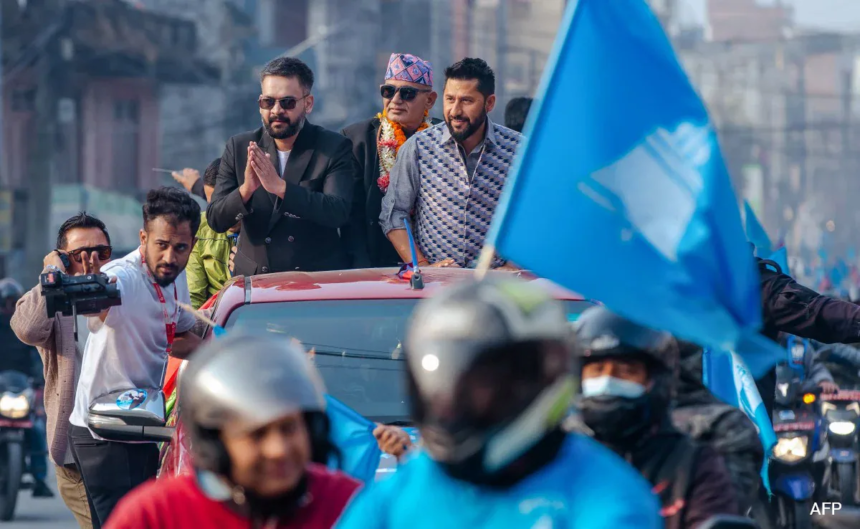
7 Big Reasons: Rapper-Turned-Politician Balen Shah’s Rastriya Swatantra Party Heads for Landslide Win in Nepal Polls
Balen Shah’s Rastriya Swatantra Party is heading toward a possible landslide in Nepal elections
A remarkable political development is unfolding in Nepal, where Balen Shah, a rapper-turned-politician, has emerged as one of the most influential figures in the country’s evolving political landscape. His association with the reform-focused Rastriya Swatantra Party (RSP) has fueled an unprecedented surge in popularity, with the party now widely predicted to perform strongly—possibly even achieving a landslide victory in upcoming elections.
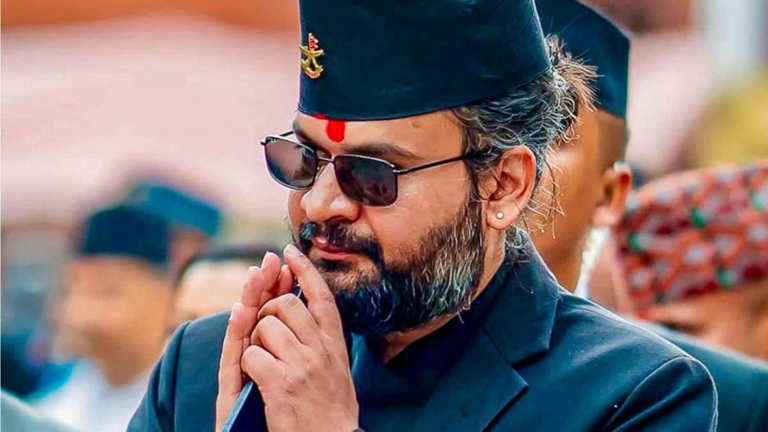
The rise of Balen Shah represents a dramatic shift in Nepalese politics. Known initially for his music career and outspoken commentary on social issues, Shah later entered politics with a reformist agenda that resonated strongly with younger voters and urban populations.
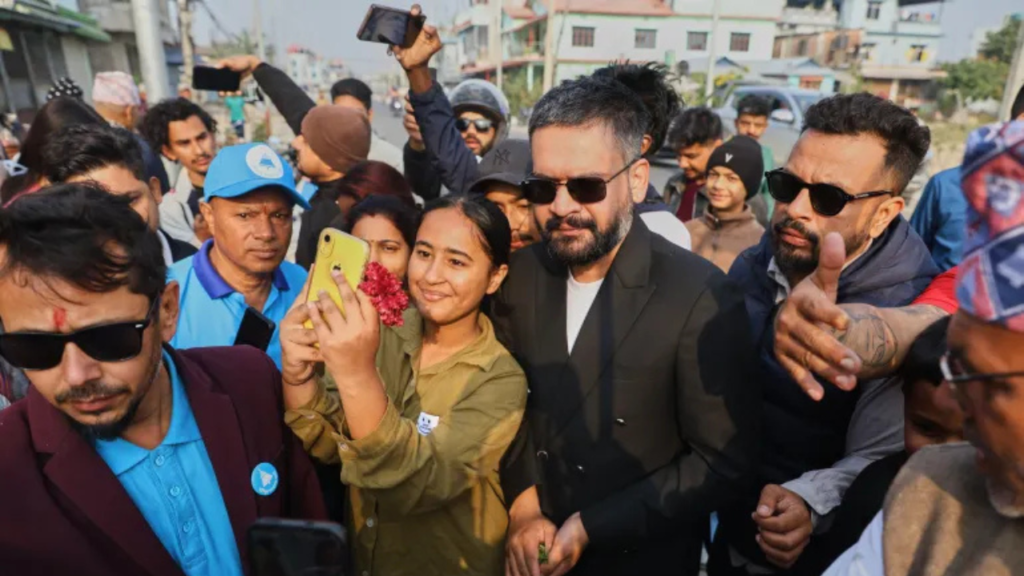
As election momentum builds across Nepal, political observers believe the RSP’s growing popularity could significantly reshape the country’s political balance of power.
Below are eight major developments explaining how Balen Shah and the RSP have gained such remarkable traction.
The political journey of Balen Shah is unlike that of traditional political leaders. Before entering politics, Shah was widely known as a rapper and social commentator who used music to address issues such as corruption, governance failures, and youth frustration.
His songs often criticized the political establishment and called for accountability and reform. These themes helped him connect with younger audiences who felt disillusioned with conventional politics.
When Shah transitioned into public life, his reputation as an outsider to traditional political structures helped him position himself as a fresh alternative to established parties.
The Rastriya Swatantra Party has rapidly emerged as one of the most talked-about political forces in Nepal.
The party was founded with the aim of introducing transparency, accountability, and modernization in governance. Unlike many traditional parties, the RSP promotes merit-based leadership and emphasizes clean politics.
Its message has resonated strongly with urban voters and professionals who are seeking alternatives to long-dominant political groups.
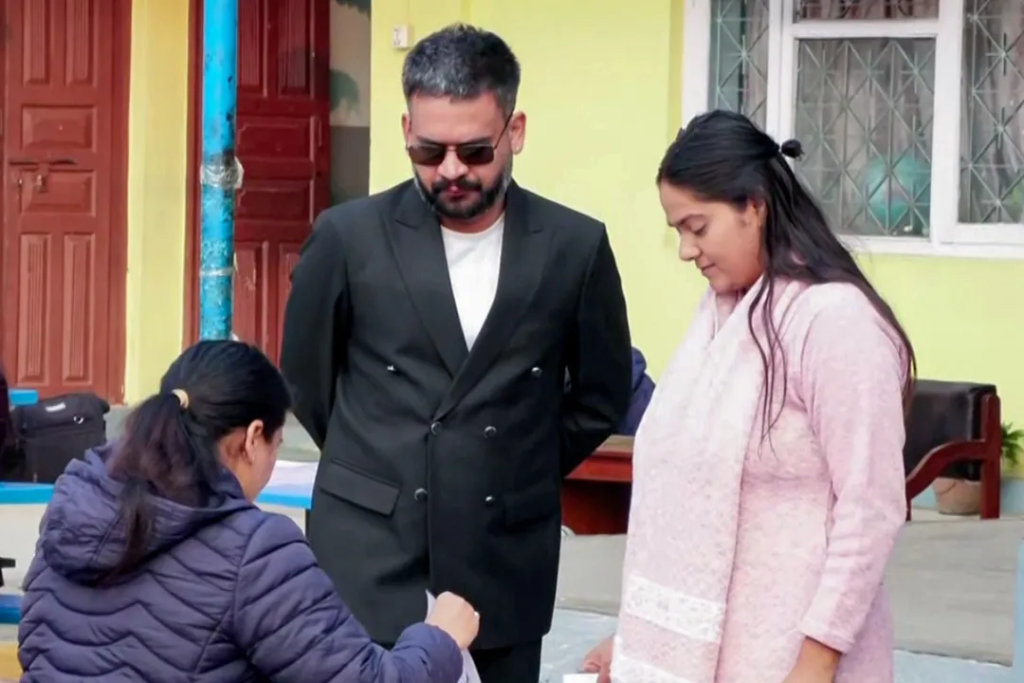
The growing popularity of figures like Balen Shah has further boosted the party’s public appeal.
One of the most significant factors behind the party’s rise is the strong support it has received from young voters.
Nepal has a large youth population, many of whom are frustrated with unemployment, political instability, and limited economic opportunities. These voters are increasingly drawn to leaders who promise reform and innovation.
Balen Shah has been particularly effective in engaging younger audiences through social media and public outreach.
His direct communication style and relatable personality have helped him connect with a generation that feels disconnected from traditional political leaders.
Another factor behind the growing influence of Balen Shah is his effective use of digital platforms.
Unlike traditional politicians who rely primarily on rallies and television campaigns, Shah has embraced social media to communicate directly with voters.
Videos, livestream discussions, and online interactions have allowed him to build a strong digital community that actively supports his political initiatives.
The strategy has been particularly successful among younger voters who spend much of their time online.
For decades, Nepal’s political landscape has been dominated by a handful of established parties. However, many citizens have grown increasingly frustrated with political instability and slow economic progress.
This dissatisfaction has created an opportunity for new political movements like the Rastriya Swatantra Party.
The party’s promise of reform and clean governance has appealed to voters who believe that traditional parties have failed to address critical national challenges.
The popularity of Balen Shah reflects this broader desire for change.
Another key factor behind the surge in support for the RSP is its focus on urban development and administrative reform.
Cities across Nepal face challenges related to infrastructure, traffic congestion, waste management, and housing.
Political figures associated with the party, including Balen Shah, have emphasized practical solutions to these issues.
Their focus on efficiency and modernization has resonated strongly with urban residents who are seeking improvements in everyday life.
Political analysts believe that the strong public momentum behind the Rastriya Swatantra Party could translate into significant electoral gains.
While predicting election outcomes remains difficult, early indicators suggest the party could win a large number of seats.
If the predictions prove accurate, the rise of leaders like Balen Shah could mark one of the most dramatic political shifts in modern Nepal.
Such a shift would likely reshape coalition dynamics and influence future governance strategies.
The growing influence of reform-oriented leaders reflects a broader transformation in Nepal’s democratic landscape.
Voters are increasingly prioritizing transparency, efficiency, and innovation in governance.
If the Rastriya Swatantra Party performs as strongly as expected, it could accelerate the emergence of a new generation of political leadership.

For Nepal, the shift could represent an opportunity to modernize political institutions and strengthen democratic accountability.
The rise of Balen Shah illustrates how quickly political dynamics can change in the modern era.
A figure once known primarily for his music career is now playing a major role in shaping the future of Nepal politics.
Whether the Rastriya Swatantra Party ultimately secures a landslide victory or simply strengthens its position as a rising political force, the movement has already changed the national conversation about governance and accountability.
As election results approach, citizens across Nepal and political observers worldwide will be watching closely to see how this political transformation unfolds.
Read Also : 10 Deadly Developments: Israel Kills Dozens in Lebanon After Failed Mission to Recover Pilot’s Remains