
Will Iran Get $300 Billion? JD Vance Reveals 3 Key Conditions Behind Reconstruction Fund Plan
US To Give Iran $300 Billion Reconstruction Fund? JD Vance addresses the controversy, explains key conditions, funding sources, and whether American taxpayer money would be involved
A fresh political debate has emerged over reports and claims suggesting that Iran could gain access to a massive $300 billion reconstruction fund as part of a future diplomatic or post-conflict arrangement. The controversy intensified after comments from US Vice President JD Vance, who addressed growing speculation regarding the proposal and clarified the conditions under which such a fund could potentially become available.
The discussion has generated significant attention in Washington, the Middle East, and global policy circles, with critics questioning the idea of providing financial assistance to Iran while supporters argue that reconstruction efforts could contribute to long-term regional stability.
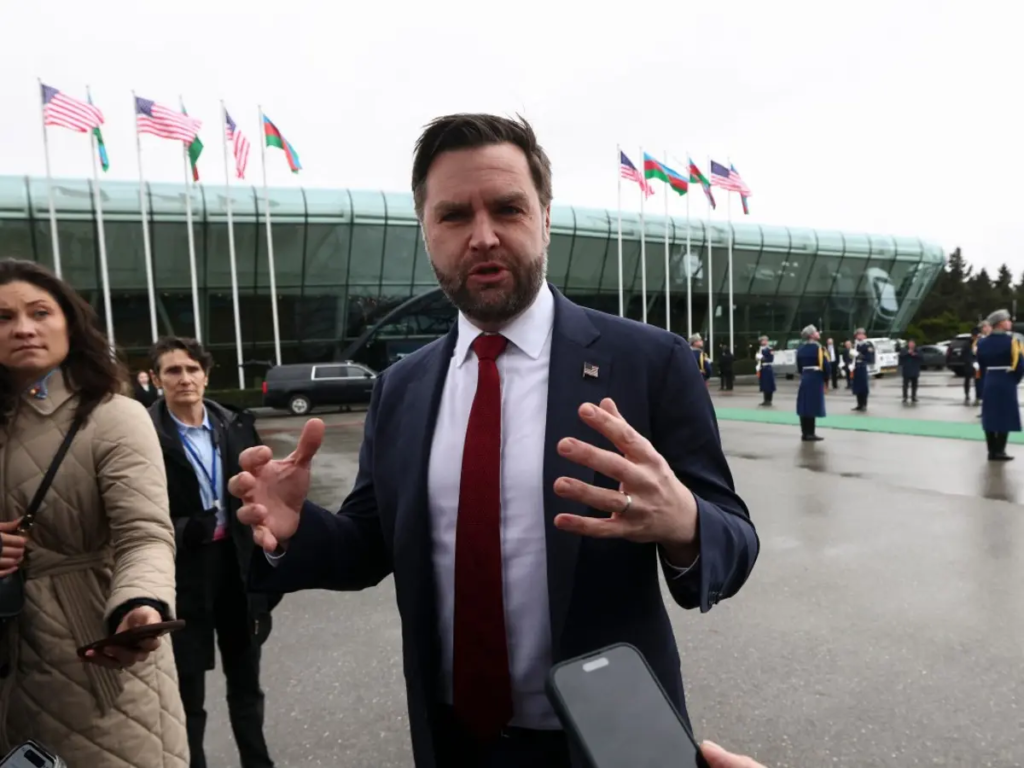
As details continue to emerge, many Americans are asking a simple question: Is the United States really planning to give Iran $300 billion? According to JD Vance, the answer is far more complicated than the headlines suggest.
The controversy began after reports circulated regarding a possible reconstruction framework that could eventually provide Iran access to substantial financial resources if specific conditions were met.
The figure of $300 billion quickly became a focal point in political discussions, with opponents portraying it as a massive giveaway to Tehran.
Social media platforms amplified the debate, with supporters and critics offering competing interpretations of what the proposal would actually involve.
As public attention intensified, administration officials and policy experts sought to clarify the details surrounding the claim.
The key issue centered on whether the proposed funds would come directly from American taxpayers or from other sources connected to future economic arrangements, investments, or international reconstruction mechanisms.
Addressing the controversy, JD Vance emphasized that the reports required important context.
According to his explanation, Iran would not automatically receive access to hundreds of billions of dollars. Instead, any reconstruction-related financial support would depend on a series of major political, economic, and security changes.
Vance argued that discussions about reconstruction should be viewed within the broader framework of regional stability and long-term peace efforts rather than as a direct financial transfer.
His comments were intended to counter claims that the United States was preparing to write a large check to the Iranian government.
The vice president stressed that any future arrangement would likely involve strict oversight, compliance requirements, and international participation.
One of the central points highlighted by Vance was that Iran would need to satisfy significant conditions before any large-scale reconstruction initiative could move forward.
While specific policy details remain subject to future negotiations, analysts suggest that potential requirements could include:
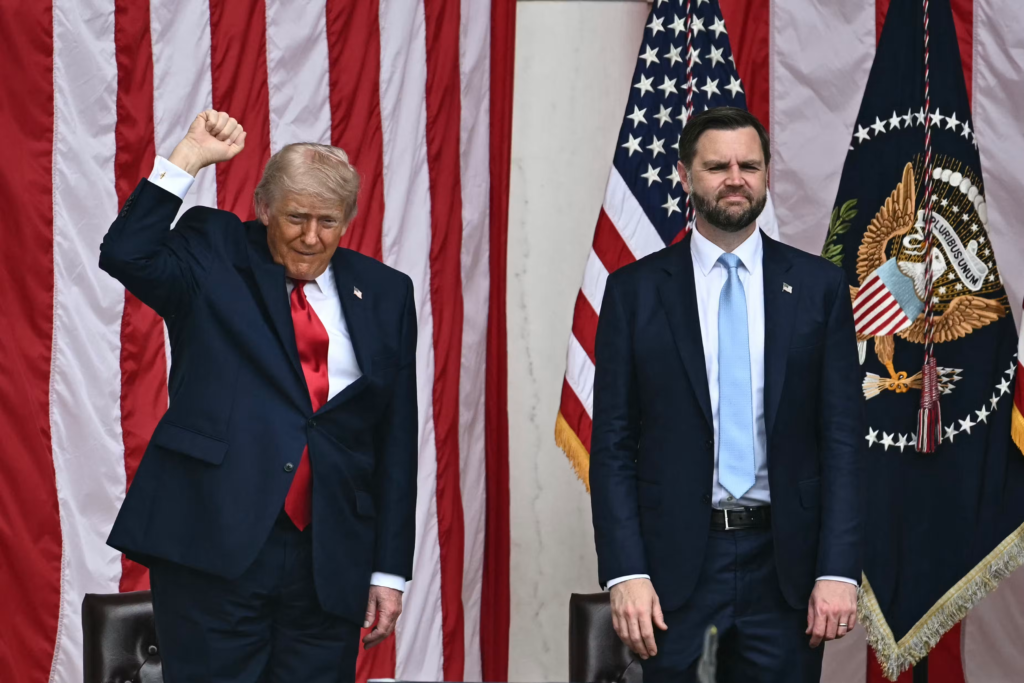
- Regional de-escalation and security commitments.
- Compliance with international agreements.
- Economic reforms and transparency measures.
- Cooperation with international monitoring organizations.
- Improvements in diplomatic relations.
- Long-term commitments to regional stability.
Supporters of conditional reconstruction programs argue that financial incentives can encourage political and economic reforms.
Critics, however, remain skeptical about whether such conditions could be effectively enforced.
The debate reflects broader disagreements about how the international community should engage with countries experiencing conflict, economic hardship, or diplomatic isolation.
Perhaps the most controversial aspect of the debate involves the source of the proposed funding.
Critics have argued that American taxpayers should not bear the cost of rebuilding infrastructure in a country that has long had a complicated relationship with Washington.
In response, Vance reportedly emphasized that taxpayer-funded direct transfers were not the basis of the discussions generating headlines.
Instead, analysts note that large reconstruction initiatives often involve a combination of:
- International investment.
- Frozen asset releases under negotiated agreements.
- Private-sector participation.
- Multilateral financial institutions.
- Regional development programs.
- Foreign direct investment.
The exact structure of any future reconstruction mechanism would depend heavily on political circumstances and international negotiations.
As a result, experts caution against assuming that a headline figure automatically represents direct government spending.
Reconstruction funds are frequently discussed following conflicts, sanctions relief agreements, or major diplomatic breakthroughs.
The goal is often to rebuild damaged infrastructure, restore economic activity, improve public services, and create conditions that support long-term stability.
Supporters argue that economic recovery can reduce instability and create incentives for cooperation.
Examples from around the world demonstrate that reconstruction programs have played important roles in post-conflict recovery efforts.
However, such initiatives remain controversial because they involve complex political calculations and significant financial commitments.
Questions about accountability, transparency, and effectiveness frequently dominate public debate.
The $300 billion discussion has triggered strong reactions from both supporters and critics.
Opponents argue that any proposal associated with providing financial resources to Iran should face intense scrutiny.
Many lawmakers have called for greater transparency regarding the origins of the figure and the conditions attached to any potential agreement.
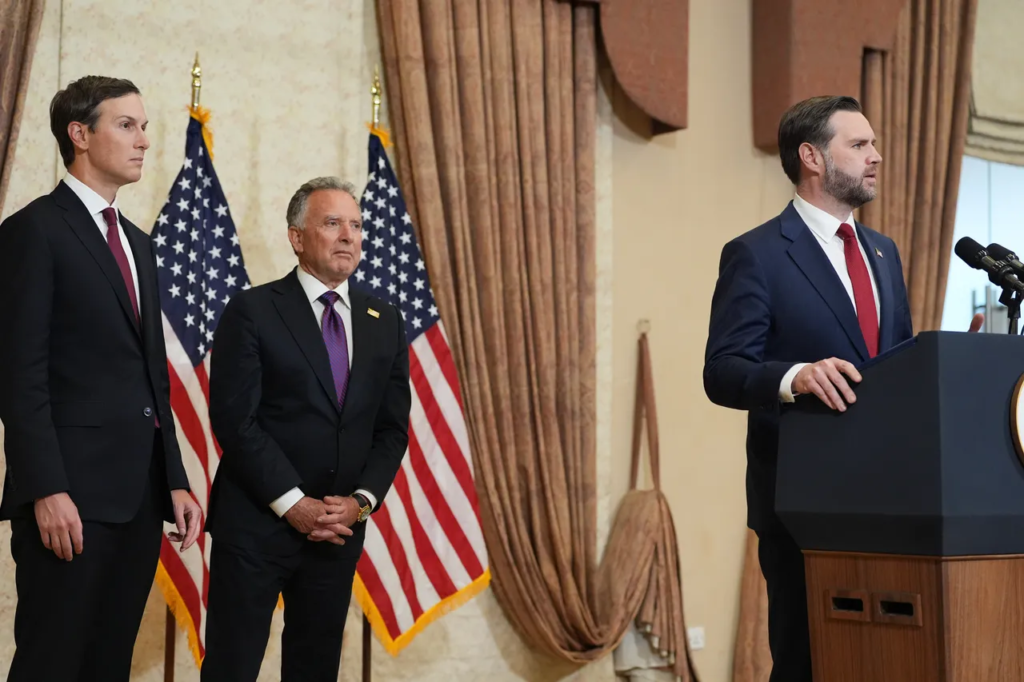
Supporters of diplomatic engagement argue that reconstruction discussions should not be viewed solely through a political lens.
They contend that economic stabilization can contribute to broader security objectives and reduce the likelihood of future conflict.
The disagreement reflects longstanding divisions within American foreign policy debates concerning the balance between pressure and engagement.
The controversy cannot be separated from the broader history of relations between the United States and Iran.
Over the decades, the relationship has been shaped by diplomatic disputes, sanctions, regional conflicts, nuclear negotiations, and competing strategic interests.
As a result, any proposal involving economic assistance or reconstruction immediately attracts significant political attention.
Public perceptions are influenced by years of tension and mistrust.
For policymakers, the challenge lies in balancing security concerns with potential opportunities for diplomatic progress.
The reconstruction debate illustrates how even hypothetical proposals can become major political flashpoints.
Beyond Washington and Tehran, international observers are closely monitoring the discussion.
Many countries have an interest in regional stability, energy security, and economic development across the Middle East.
A large-scale reconstruction effort could have implications for:
- Global energy markets.
- Regional trade networks.
- Investment opportunities.
- Diplomatic relations.
- Security cooperation.
- Humanitarian conditions.
International institutions often play important roles in reconstruction initiatives, providing expertise, oversight, and financial support.
The success of such programs typically depends on cooperation among multiple stakeholders.
The figure of $300 billion is significant enough to attract attention from economists and financial analysts.
Large-scale reconstruction programs can generate substantial economic activity, create jobs, and improve infrastructure.
At the same time, they require careful planning and oversight to ensure that resources are used effectively.
Economists note that reconstruction spending often focuses on sectors such as:
- Transportation infrastructure.
- Energy systems.
- Healthcare facilities.
- Education networks.
- Housing development.
- Water and sanitation projects.
The economic impact depends heavily on implementation, governance, and long-term stability.
Without effective oversight, reconstruction programs can face challenges related to inefficiency and corruption.
One reason the controversy has gained traction is the gap between headline claims and policy details.
Political debates often simplify complex proposals into easily digestible talking points.
As a result, large figures such as $300 billion can generate strong reactions even when important context is missing.
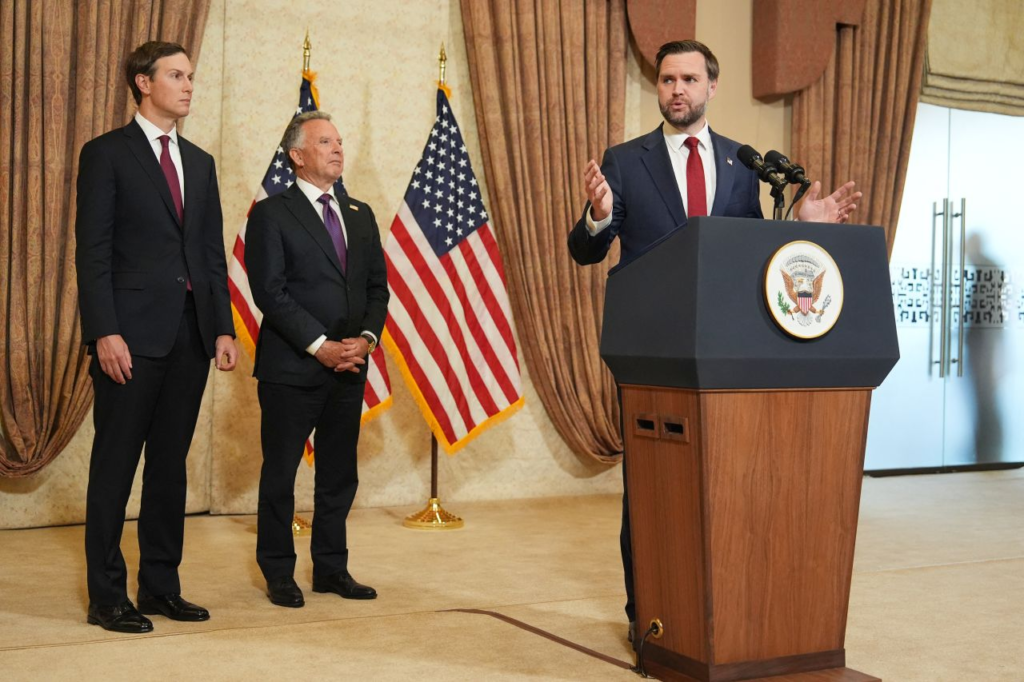
Experts encourage voters and observers to examine the details behind policy discussions rather than relying solely on headlines.
Questions about funding sources, conditions, oversight mechanisms, and implementation strategies are critical to understanding the true implications of any proposal.
The ongoing debate demonstrates how foreign policy issues can quickly become domestic political controversies.
At present, discussions surrounding a potential Iran reconstruction fund remain highly controversial and subject to political debate.
JD Vance’s comments sought to clarify that any future arrangement would likely involve significant conditions and would not necessarily represent a direct transfer of American taxpayer money.
Nevertheless, the issue continues to generate intense scrutiny from lawmakers, analysts, and the public.
Whether such a reconstruction framework ever becomes reality will depend on a wide range of diplomatic, economic, and geopolitical developments.
For now, the debate highlights the challenges of balancing foreign policy objectives, national security concerns, economic considerations, and public opinion.
As tensions and negotiations continue to shape the future of US-Iran relations, the controversy surrounding the proposed $300 billion reconstruction fund is likely to remain a major topic of discussion in the months ahead.
Read Also : 5 Reasons South Delhi’s Elite Colonies Are Receiving ‘Black Like Sewage’ Water