7 Dramatic Moments: Saudi Arabia Intercepts Ballistic Missiles Targeting Prince Sultan Air Base
Saudi Arabia intercepts ballistic missiles targeting Prince Sultan Air Base, averting a major security threat
The Middle East witnessed another moment of heightened tension after Saudi Arabia successfully intercepted ballistic missiles reportedly aimed at Prince Sultan Air Base. The dramatic interception prevented what could have been a serious military incident involving one of the region’s most strategically important air bases.
Prince Sultan Air Base, located near Al-Kharj, is a critical military facility that hosts advanced defense systems and has also supported operations involving the United States. Because of its strategic role in regional security and counter-terrorism operations, any threat against the base immediately draws international attention.
The missile interception has once again highlighted the fragile security situation across the Middle East, where geopolitical rivalries, proxy conflicts, and military build-ups continue to influence regional stability.

Here are seven key developments that explain what happened, how Saudi Arabia responded, and what it means for the broader geopolitical landscape.
Saudi Arabia’s air defense systems were activated after early warning radars detected ballistic missiles heading toward Prince Sultan Air Base.
Military officials confirmed that the missiles were intercepted before they could reach their intended target. Air defense batteries responded rapidly, neutralizing the threat in the sky and preventing potential damage to military infrastructure.
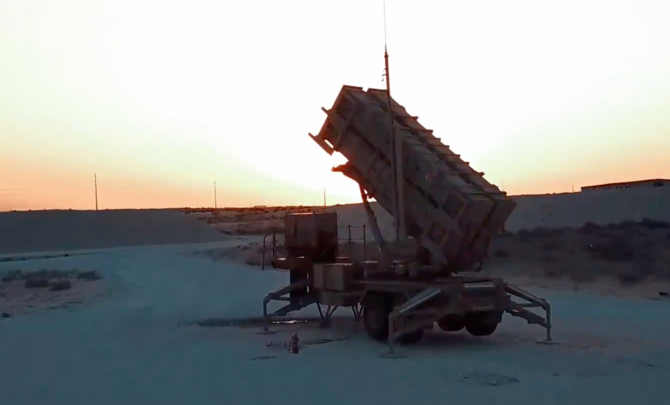
Saudi Arabia has invested heavily in advanced missile defense technologies over the past decade. Systems designed to detect and intercept incoming projectiles have become a crucial part of the country’s national security strategy.
The successful interception demonstrates the effectiveness of these defensive systems and the preparedness of Saudi forces to respond to sudden threats.
Prince Sultan Air Base is one of the most important military installations in Saudi Arabia. Located roughly 80 kilometers south of Riyadh, the base plays a vital role in regional air operations and defense coordination.
The base has hosted multiple international military activities and is known for supporting surveillance missions, air defense coordination, and strategic operations.
Because of its importance, the facility is heavily protected by layered security measures, including radar systems, missile defense batteries, and air patrols.
Any attempted attack on such a high-profile installation is viewed as a serious escalation in regional tensions.
Although officials have not immediately confirmed who launched the missiles, analysts believe the attack could be linked to ongoing geopolitical rivalries in the Middle East.
Over the years, Saudi Arabia has faced missile and drone threats from various groups operating in conflict zones across the region. These attacks often occur during periods of heightened political tension.
The possibility of external involvement or proxy actors cannot be ruled out, and investigations are expected to determine the origin of the missiles.
Understanding the source of the attack will be crucial for shaping Saudi Arabia’s diplomatic and military response.
The missile incident comes at a time when tensions across the Middle East are already running high. Several regional conflicts and political rivalries have increased the risk of sudden military confrontations.
Countries across the region are strengthening their defense capabilities, investing in missile defense systems, and expanding intelligence cooperation.
The interception near Prince Sultan Air Base serves as a reminder of how quickly regional security situations can escalate.
It also highlights the importance of maintaining strong defensive infrastructure to protect critical assets and civilian populations.
Saudi Arabia’s ability to intercept the missiles underscores the importance of advanced defense technology in modern warfare.
Missile defense systems rely on sophisticated radar networks, rapid-response interceptors, and coordinated command centers to detect and destroy incoming threats.
These systems are designed to respond within seconds, making them essential for protecting military bases, cities, and critical infrastructure.
Over the years, Saudi Arabia has significantly expanded its defense capabilities to counter evolving threats such as ballistic missiles and drones.
The latest interception demonstrates the operational readiness of these defense networks.
Because Prince Sultan Air Base has hosted military operations involving international partners, the incident has attracted attention from governments around the world.

Security analysts say any attack targeting such a facility carries broader strategic implications. It could potentially affect diplomatic relations, military cooperation agreements, and regional stability.
Global powers closely monitor such developments because they can influence the balance of power in the Middle East.
The incident is likely to be discussed in diplomatic and security forums as countries assess the risks of further escalation.
Following the missile interception, Saudi authorities are expected to conduct detailed investigations to determine the source of the attack and prevent future incidents.
Military forces may increase security measures around key installations, including air bases, energy facilities, and strategic infrastructure.
Regional allies could also enhance intelligence sharing and coordination to monitor potential threats.
While the immediate danger was neutralized, the broader security situation remains complex and unpredictable.
The incident highlights how quickly geopolitical tensions can translate into real-world military challenges.
The Middle East remains one of the most strategically important regions in the world due to its energy resources, trade routes, and geopolitical significance.
Any military confrontation in the region can have global consequences, affecting international trade, energy markets, and diplomatic relations.
Missile threats against military bases or critical infrastructure can create ripple effects across multiple sectors.
The interception near Prince Sultan Air Base illustrates the ongoing risks that regional powers face and the importance of maintaining strong defense capabilities.
Modern warfare increasingly involves missile and drone technologies capable of striking targets hundreds of kilometers away.
This has led many countries to invest heavily in air and missile defense systems to protect key assets.
Saudi Arabia’s interception demonstrates how these technologies play a vital role in national security strategies.
The ability to detect and neutralize threats quickly can mean the difference between a contained incident and a major military escalation.
From a global perspective, incidents like this serve as reminders of the fragile nature of international security.
Military actions in one region can influence geopolitical dynamics far beyond their immediate location.
As tensions continue in multiple parts of the world, governments are increasingly focused on strengthening alliances, enhancing defense cooperation, and improving early-warning systems.
Preventing conflicts from escalating into wider confrontations remains a major priority for international diplomacy.
Read Also : 7 Big Revelations: US Signals Oil Sanctions Easing Could Focus On India