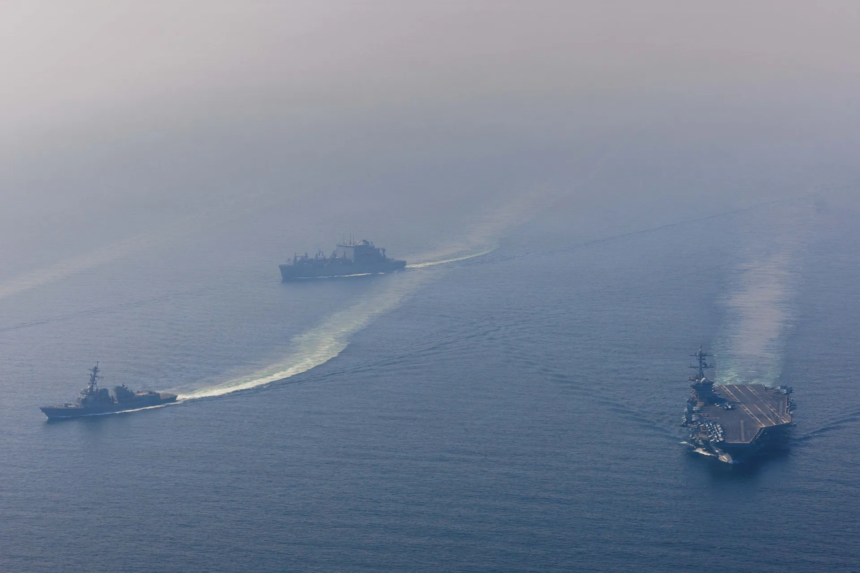
Iran Targets 21 US Military Sites, F-35 Hangars Hit After Apache Helicopter Downing
Iran escalates tensions by targeting F-35 hangars and multiple US military bases following strikes linked to an Apache helicopter downing
The already volatile situation in the Middle East has taken another dramatic turn as Iran reportedly launched retaliatory operations targeting F-35 hangars and multiple US military installations following military actions linked to the downing of an Apache attack helicopter. The latest developments have intensified fears of a broader regional conflict, with military analysts warning that the cycle of retaliation could further destabilize an already fragile security environment.
As reports of missile launches, drone activity, and military alerts emerged from various locations across the region, governments and international observers closely monitored the unfolding situation. The latest escalation highlights the growing complexity of the confrontation between Iran and the United States, a rivalry that has shaped Middle Eastern geopolitics for decades.
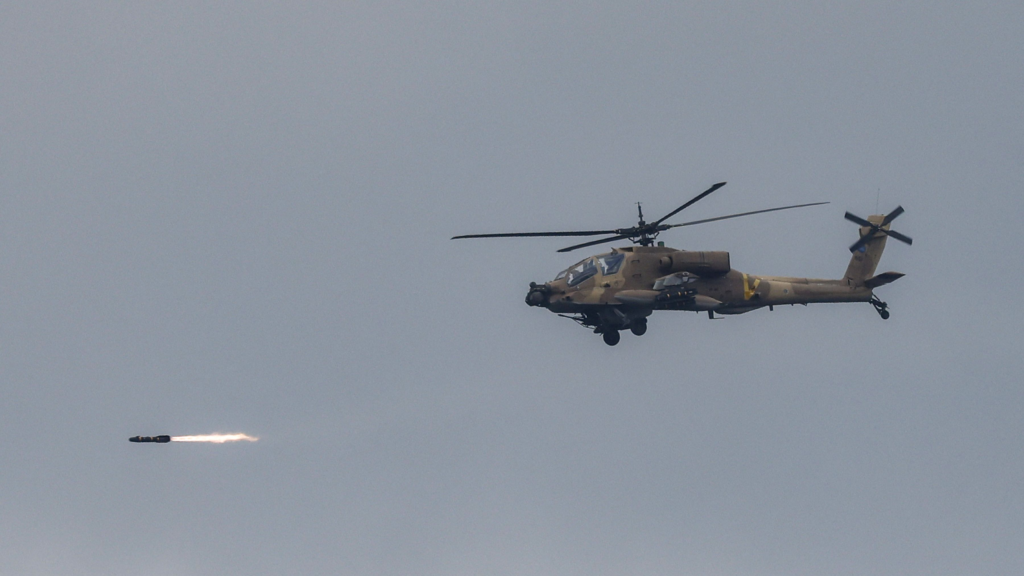
According to reports circulating from regional sources, Iranian forces launched operations aimed at strategic military targets associated with US operations. Among the reported targets were facilities believed to house advanced fighter aircraft, including F-35 stealth jets, as well as military infrastructure used by American forces stationed across the region.
The strikes were reportedly carried out in response to military actions involving the downing of an Apache helicopter, an incident that significantly increased tensions between the opposing sides.
Military officials have not disclosed complete operational details, but reports suggest that the retaliation was intended to send a strong message regarding Iran’s willingness to respond to perceived attacks on its interests and military assets.
The exchange marks another chapter in the long-running confrontation that has periodically erupted into military incidents involving airstrikes, drone attacks, and maritime security threats.
The mention of F-35 hangars has attracted considerable attention among defense experts due to the strategic importance of the aircraft.
The F-35 is widely regarded as one of the world’s most advanced fighter jets. Equipped with stealth technology, sophisticated sensors, and advanced combat capabilities, the aircraft plays a central role in modern military operations.
Military installations housing F-35 aircraft are considered high-value strategic assets. Any reported attempt to target such facilities is likely to attract significant international scrutiny.
Defense analysts note that even symbolic attacks on infrastructure associated with advanced military systems can have substantial psychological and political implications, regardless of the level of physical damage caused.
The focus on such facilities underscores the increasingly sophisticated nature of modern warfare, where strategic messaging often plays as important a role as battlefield outcomes.
The Apache helicopter incident appears to have been a major catalyst for the latest escalation.
Attack helicopters serve as critical components of modern military operations, providing close air support, reconnaissance capabilities, and rapid-response options during combat missions.
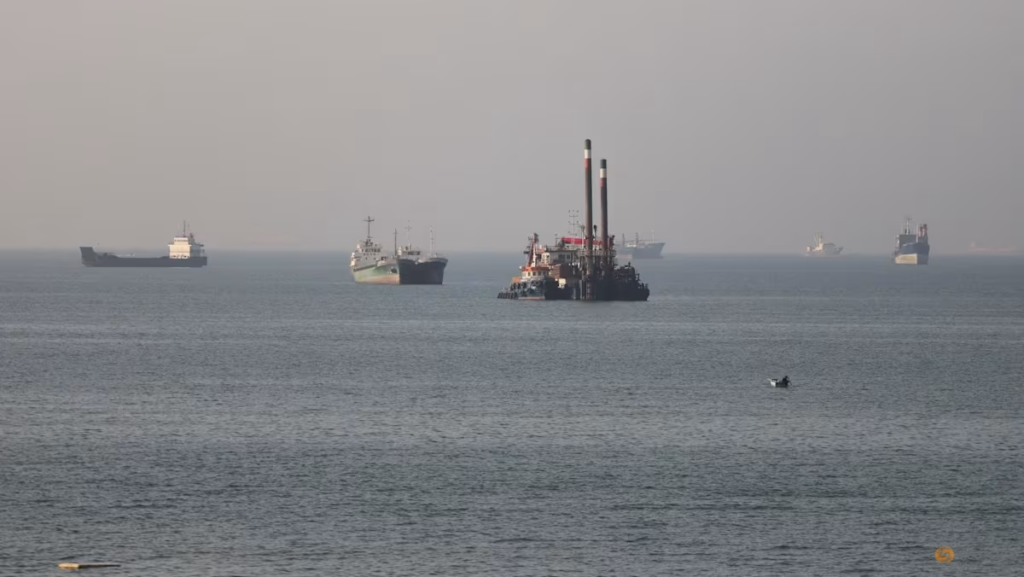
The reported downing of an Apache helicopter generated immediate attention from military observers, who viewed the event as a significant development in the broader confrontation.
Retaliatory actions following such incidents are not uncommon in conflict zones, where military forces often seek to demonstrate resolve and maintain deterrence capabilities.
However, analysts warn that cycles of retaliation can quickly escalate beyond their original scope, increasing the risk of broader military confrontation.
The United States maintains a substantial military presence across various parts of the Middle East, including air bases, naval facilities, and logistical hubs.
These installations support a wide range of operations, including regional security missions, counterterrorism efforts, intelligence gathering, and alliance commitments.
Because of their strategic importance, US military facilities frequently become focal points during periods of heightened regional tension.
Security experts note that the extensive network of military infrastructure across the Gulf and surrounding regions creates both operational advantages and security challenges.
Protecting personnel and critical assets remains a top priority during times of escalating conflict.
One of the defining characteristics of contemporary Middle Eastern conflicts has been the increasing use of missiles and unmanned aerial systems.
Drones have transformed modern warfare by providing relatively low-cost options for surveillance, reconnaissance, and precision strikes. Similarly, ballistic and cruise missiles have become key instruments of military strategy across the region.
The reported targeting of military facilities reflects the growing importance of these technologies in shaping battlefield dynamics.
Experts suggest that future conflicts are likely to feature even greater reliance on unmanned systems, electronic warfare capabilities, and advanced missile technologies.
As a result, governments continue investing heavily in air defense systems designed to intercept and neutralize incoming threats.
The latest escalation has prompted calls for restraint from governments and international organizations around the world.
Diplomatic officials have expressed concern that continued military exchanges could undermine regional stability and increase risks for civilian populations.
Several countries have urged all parties to prioritize dialogue and avoid actions that could trigger a wider conflict.
International observers emphasize that maintaining open communication channels is essential during periods of heightened tension.
History has demonstrated that misunderstandings and miscalculations can rapidly transform localized incidents into broader confrontations with far-reaching consequences.
The Middle East remains one of the most strategically important energy-producing regions in the world.
Whenever military tensions increase, global markets closely monitor developments for potential disruptions to oil production and transportation.
Investors and energy analysts are particularly concerned about the security of key maritime routes used for international energy shipments.
Any threat to regional stability can influence oil prices, investor sentiment, and broader economic conditions.
Market volatility often rises during periods of geopolitical uncertainty, reflecting concerns about future supply disruptions.
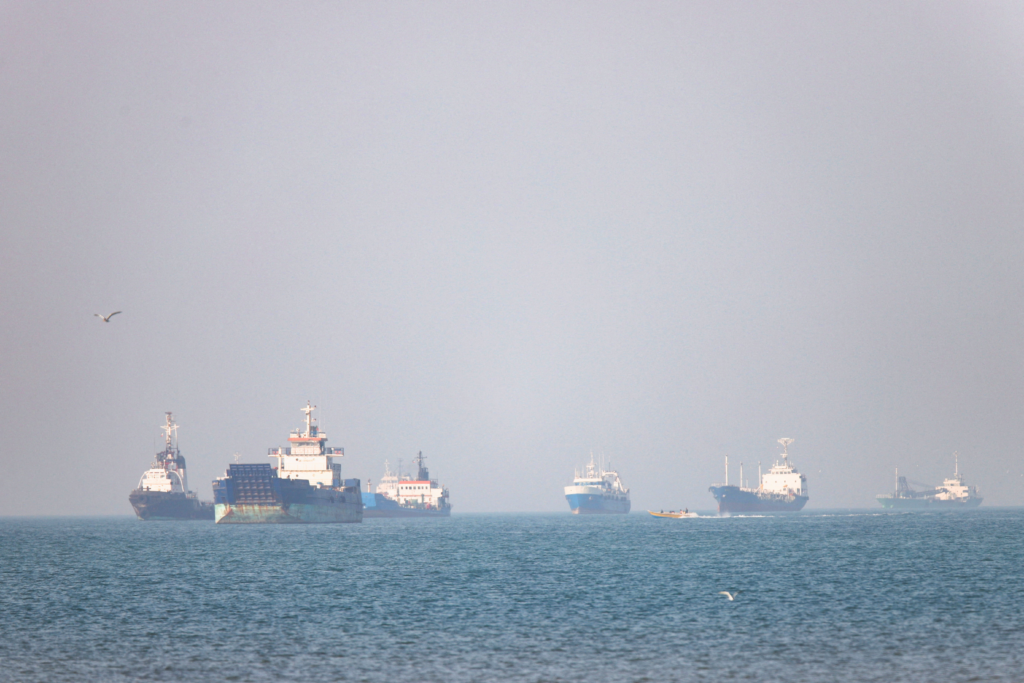
Energy-importing nations are therefore paying close attention to the evolving situation and its potential impact on global energy security.
In response to growing tensions, several countries across the Gulf region have reportedly increased security measures and heightened military readiness.
Air defense systems remain on alert, while military personnel continue monitoring developments around the clock.
Authorities are also reviewing emergency response protocols to ensure preparedness in the event of further escalation.
The emphasis on readiness reflects the unpredictable nature of modern conflicts, where developments can occur rapidly and without warning.
Regional governments remain focused on protecting critical infrastructure, civilian populations, and strategic assets.
While military exchanges often begin with limited objectives, analysts warn that escalation can become difficult to control.
Retaliatory actions frequently generate additional responses, creating a cycle that increases the likelihood of broader confrontation.
The involvement of multiple actors, competing strategic interests, and complex regional dynamics further complicates efforts to reduce tensions.
Experts believe that diplomatic engagement remains the most effective tool for preventing a prolonged conflict.
At the same time, military planners continue preparing for various scenarios as uncertainty persists.
The latest reports involving Iranian strikes on facilities associated with F-35 aircraft and US military installations highlight the fragile security situation across the Middle East.
While officials continue assessing the full extent of the developments, the incident has already drawn international attention and renewed concerns about regional stability.
For governments, military planners, and global markets, the coming days will be critical in determining whether tensions continue to escalate or whether diplomatic efforts can help restore calm.
The broader implications extend beyond the immediate confrontation. Regional security, energy markets, international alliances, and geopolitical relationships could all be affected by the direction events take in the weeks ahead.
As the world watches closely, one thing remains clear: the Middle East continues to occupy a central position in global security discussions, and developments there will have consequences far beyond the region itself.
Read Also : NEET Re-Exam 2026: 30+ Paper Setters Put Under Strict Lockdown Until Retest Ends