Dharavi Protest ERUPTS: 500 sq ft Home Demand Sparks 1 Massive Uprising Against Adani Project
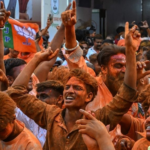
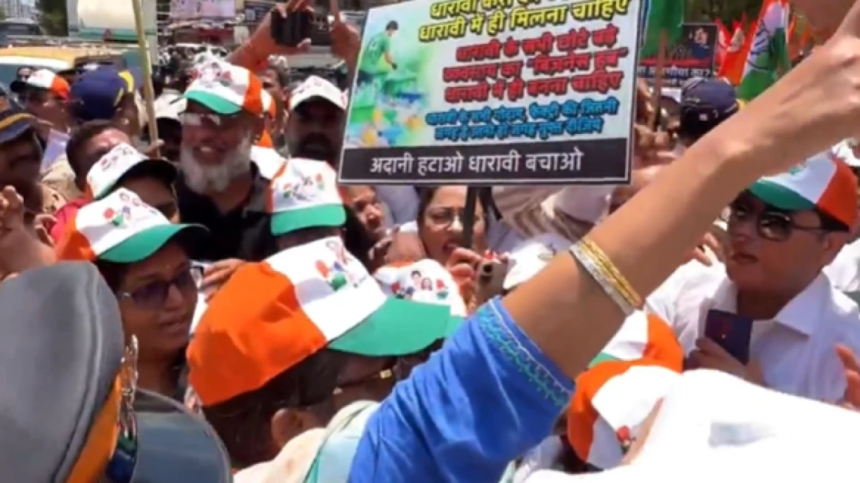
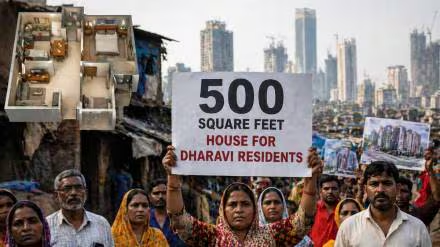
Dharavi residents protest in Mumbai, demanding 500 sq ft homes and raising slogans against the Adani redevelopment project
A massive protest erupted in Dharavi, one of Asia’s largest informal settlements, as residents gathered in large numbers to demand fair housing rights amid the ongoing redevelopment plans. The protesters raised strong slogans against the involvement of the Adani Group, voicing concerns over displacement, inadequate housing provisions, and lack of transparency.
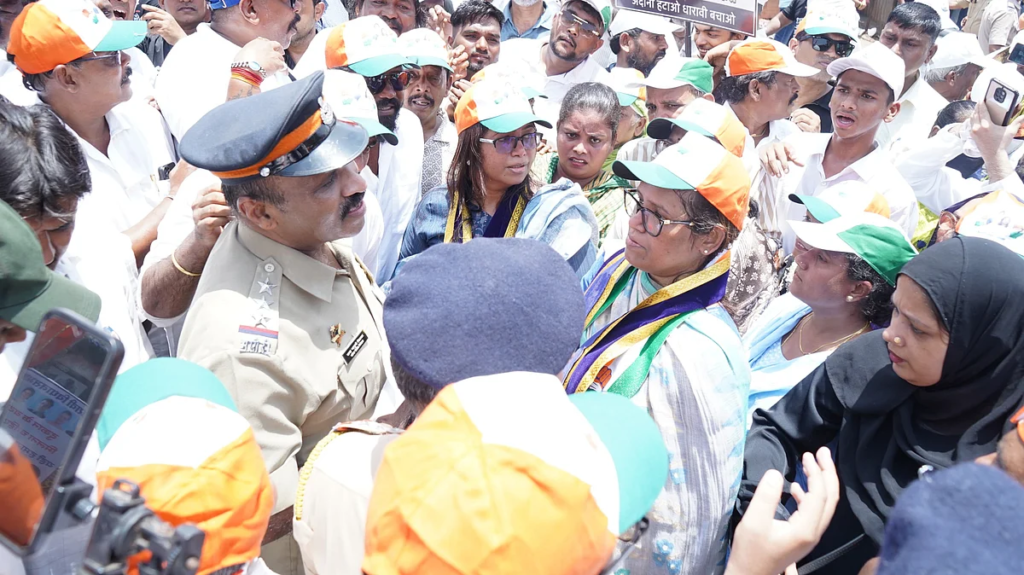
At the heart of the protest is a clear demand: 500 square feet homes for all eligible residents under the redevelopment project. The demonstration has once again brought national attention to the complexities of urban redevelopment, especially in densely populated areas like Dharavi.
Dharavi is not just a residential area—it is an economic hub that supports thousands of small businesses, artisans, and workers. Spread across a relatively small area, Dharavi houses a population of over a million people, making it one of the most densely populated regions in the world.
- A thriving informal economy
- Home to small-scale industries like pottery, leather, and recycling
- Strong community networks and social structures
Any redevelopment project in Dharavi, therefore, has far-reaching implications not just for residents but for the city’s economy as a whole.
The primary demand of the protesters is straightforward—each eligible resident should be provided with a minimum of 500 sq ft housing units.
Residents argue that:
- Existing homes, though small, often accommodate large families
- Smaller units would lead to overcrowding
- Adequate space is essential for both living and working
Many families in Dharavi operate home-based businesses, making space a critical factor for their livelihood.
The involvement of the Adani Group in the redevelopment project has become a focal point of the protests.
1. Fear of Displacement
Residents worry that they may be relocated far from their current homes, disrupting their livelihoods and social networks.
2. Lack of Transparency
Protesters claim that there has been insufficient communication about the project’s details, eligibility criteria, and timelines.
3. Inadequate Housing Provisions
There is skepticism about whether the promised housing will meet the needs of residents.
4. Loss of Livelihoods
Relocation or restructuring could impact small businesses that operate within Dharavi.
The protest saw participation from a wide cross-section of residents, including workers, shop owners, and community leaders.
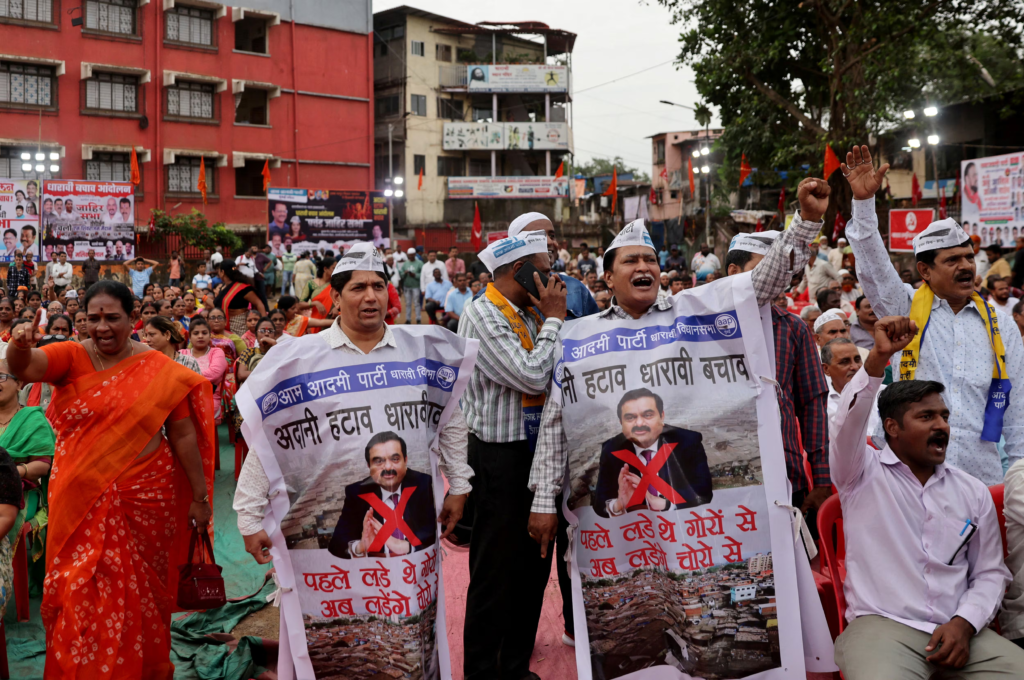
Many expressed a common sentiment:
We are not against development, but it should not come at the cost of our homes and livelihoods.”
This statement captures the essence of the protest—residents are seeking inclusive development rather than outright opposing change.
Authorities and representatives associated with the redevelopment project have maintained that the initiative aims to improve living conditions and provide modern housing facilities.
- The project is designed to transform Dharavi into a modern urban space
- Eligible residents will receive housing under government guidelines
- Efforts are being made to ensure minimal disruption
However, the gap between official assurances and public perception remains significant.
The situation in Dharavi highlights the broader challenges of urban redevelopment in cities like Mumbai.
1. Balancing Development and Displacement
Ensuring that redevelopment benefits residents without displacing them.
2. Managing High Population Density
Designing infrastructure that can accommodate large populations.
3. Preserving Livelihoods
Protecting economic activities that sustain communities.
4. Ensuring Fair Compensation
Providing adequate housing and support to affected residents.
Dharavi’s informal economy generates significant economic activity.
- Recycling industry
- Leather goods production
- Small manufacturing units
Disruptions to this ecosystem could have ripple effects on the broader economy.
The protests have drawn attention from political leaders, activists, and civil society organizations.
- Calls for greater transparency in the project
- Support for residents’ demands
- Debates over the role of private developers in public projects
The issue has become a topic of discussion not just in Mumbai but across the country.
Experts suggest several approaches to address the concerns:
1. Inclusive Planning
Involving residents in decision-making processes.
2. Transparent Communication
Providing clear information about project details.
3. Adequate Housing Standards
Ensuring that housing meets the needs of families.
4. Livelihood Support
Creating provisions for businesses during and after redevelopment.
Community participation is crucial for the success of any redevelopment project.
- Builds trust between residents and authorities
- Ensures that solutions are practical and acceptable
- Reduces resistance and conflict
The Dharavi protest underscores the importance of listening to community voices.
The outcome of the Dharavi redevelopment project could set a precedent for future urban projects in Mumbai.
- Approach to slum redevelopment
- Role of private companies in public projects
- Policy changes in urban planning
Read Also : Bengal Power Shift: BJP Govt to Take Oath on May 9 — 1 Historic Move on Tagore’s Birth Anniversary