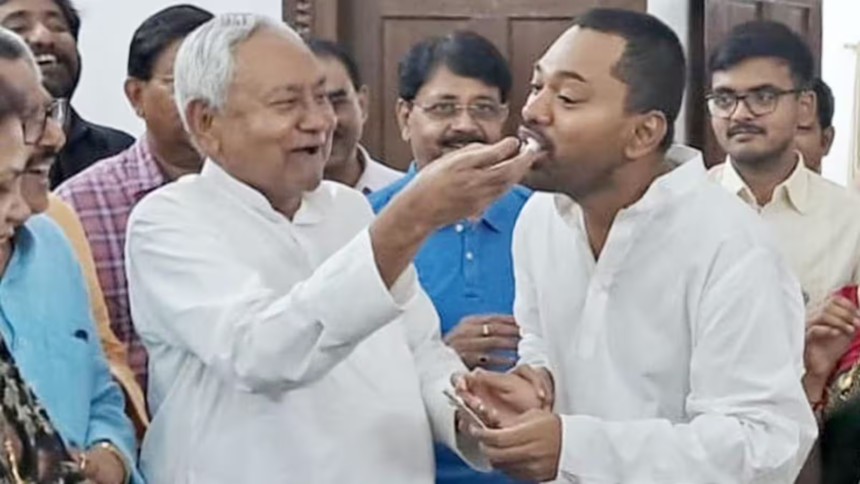
Bihar Cabinet Expansion 2026: 31 Leaders Including Nitish Kumar’s Son to Take Oath Today, PM Modi to Attend Mega Ceremony
Bihar Cabinet Expansion 2026: 31 leaders, including Nitish Kumar’s son, will take oath today in a major political reshuffle
The political landscape of Bihar is set for a significant shift as Chief Minister Nitish Kumar prepares for a major cabinet expansion that is already generating widespread attention across the country. In a high-profile move, as many as 31 leaders are scheduled to take oath as ministers, marking one of the most substantial reshuffles in recent years. Adding further weight to the event, Prime Minister Narendra Modi is expected to attend the ceremony, underlining the political importance of this expansion not just for the state but also at the national level.
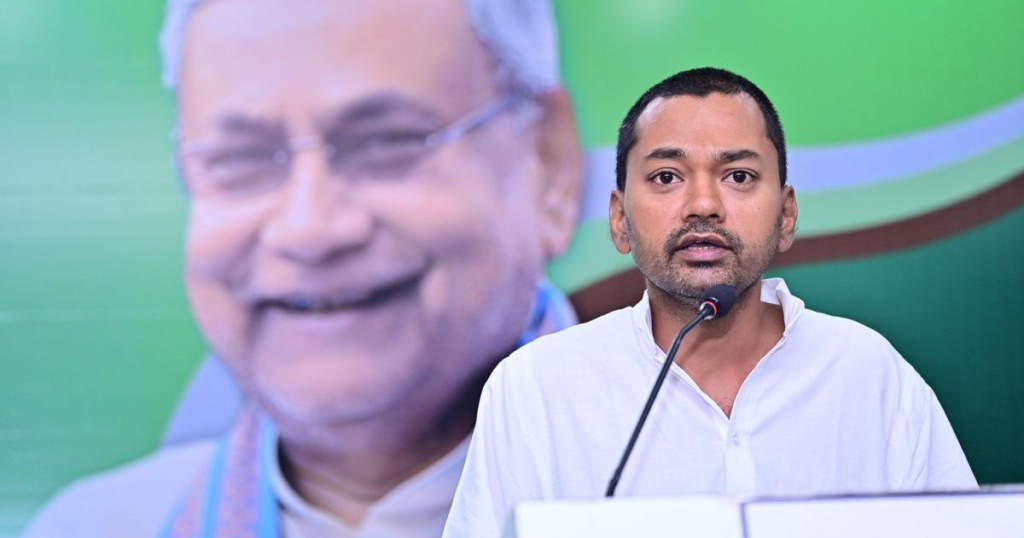
This cabinet expansion comes at a crucial juncture, with political equations in Bihar undergoing rapid changes ahead of future electoral battles. The inclusion of new faces, along with the balancing of caste, regional, and party interests, is expected to redefine governance priorities in the state. Among the most talked-about developments is the anticipated induction of Nitish Kumar’s son into the cabinet. While Nitish Kumar has long maintained a reputation for keeping his family away from active politics, this move signals a possible shift in that approach and hints at succession planning within the party.
The expansion is not merely a routine administrative exercise; it is a calculated political move designed to strengthen alliances and ensure broader representation. Sources indicate that the new cabinet will reflect a careful mix of experienced leaders and fresh entrants, with a focus on youth representation. This strategy is aimed at energizing the party’s base while also appealing to younger voters who play an increasingly decisive role in elections.
Another key factor driving this expansion is the need to maintain equilibrium within the ruling coalition. Bihar’s political environment has often been characterized by shifting alliances and complex power-sharing arrangements. By accommodating leaders from various factions and communities, Nitish Kumar aims to reinforce stability within his government. Analysts believe that this reshuffle could help address internal dissent and prevent potential fractures within the alliance.
The presence of Prime Minister Narendra Modi at the swearing-in ceremony adds a layer of strategic significance. His attendance is seen as a strong signal of support from the central leadership and highlights the importance of Bihar in the broader national political narrative. It also reflects the continued coordination between state and central leadership, which is crucial for implementing large-scale development projects and policy initiatives.
From a governance perspective, the cabinet expansion is expected to accelerate decision-making and improve administrative efficiency. With new ministers taking charge of key portfolios, there is likely to be renewed focus on critical sectors such as infrastructure, education, healthcare, and employment generation. Bihar, which has been striving to improve its development indicators, stands to benefit from a more dynamic and responsive administration.
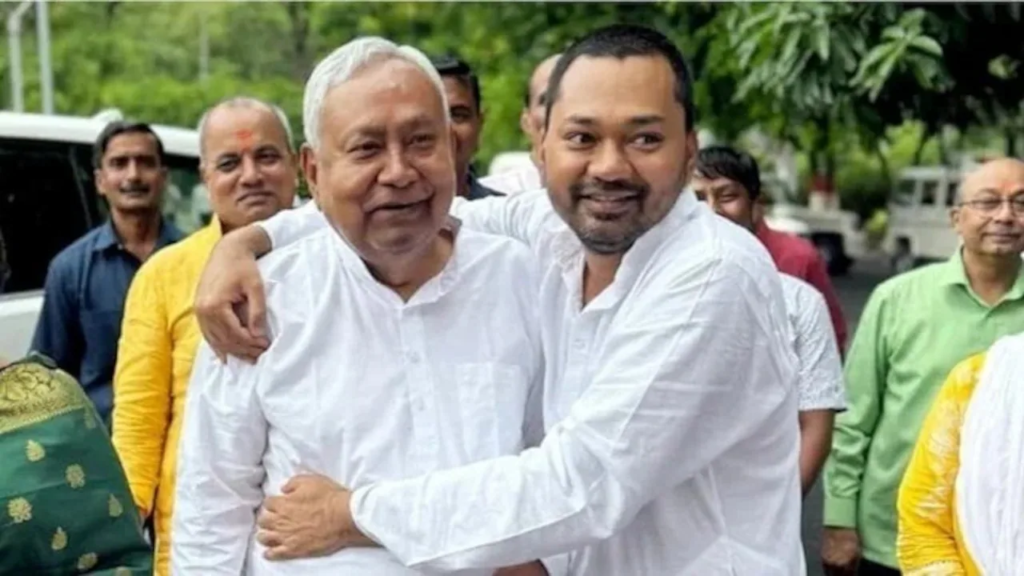
The inclusion of younger leaders is particularly noteworthy. It indicates an attempt to bring fresh ideas and perspectives into governance. These leaders are expected to leverage technology and innovative approaches to address long-standing challenges in the state. At the same time, the presence of seasoned politicians will ensure continuity and stability in policy implementation.
The political implications of this cabinet expansion extend beyond Bihar. As one of India’s most populous states, Bihar plays a crucial role in shaping national politics. Any significant development in the state is closely watched by political observers and parties across the country. This reshuffle is likely to influence electoral strategies, alliance formations, and campaign narratives in the run-up to upcoming elections.
Opposition parties have also reacted to the development, with some questioning the timing and intent of the expansion. They argue that the move is aimed at consolidating power and gaining political advantage rather than addressing governance issues. However, supporters of the government contend that the expansion is a necessary step to strengthen administration and ensure inclusive representation.
Another dimension of this development is its potential impact on governance at the grassroots level. With a larger and more diverse cabinet, there is an opportunity to address regional disparities and ensure that development initiatives reach all parts of the state. This could lead to more balanced growth and improved living standards for citizens.
The decision to include Nitish Kumar’s son in the cabinet, if confirmed, is likely to remain a focal point of political discourse. It raises questions about dynastic politics, a topic that has often been debated in Indian politics. While some view it as a natural progression, others see it as a departure from Nitish Kumar’s earlier stance against family-based political advancement. Regardless of the perspective, this move is expected to have long-term implications for the party’s leadership structure.
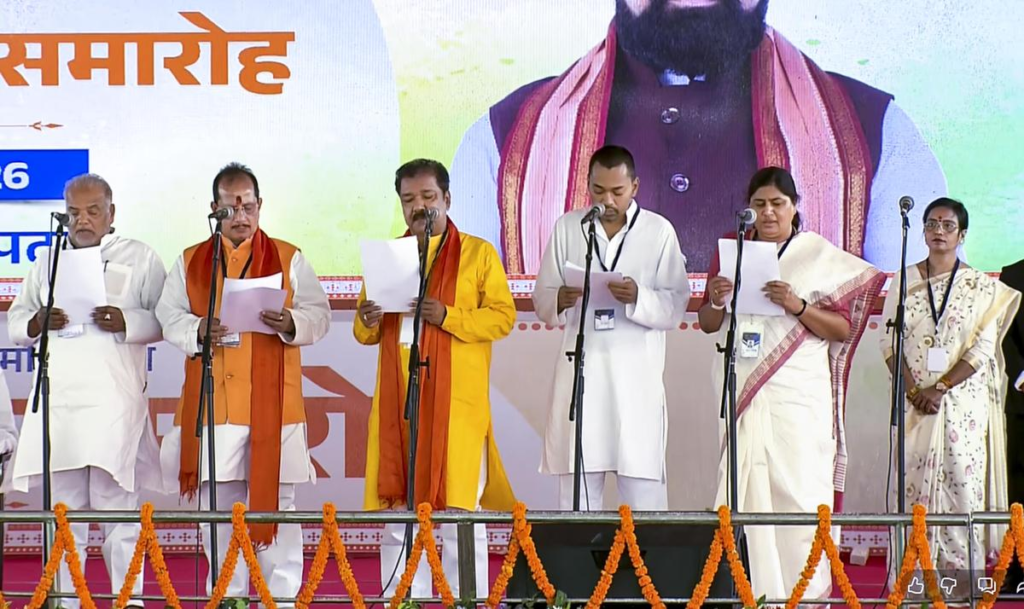
The ceremony itself is expected to be a grand affair, with leaders from various political parties and dignitaries in attendance. It will not only mark the beginning of a new phase in Bihar’s governance but also serve as a platform to showcase political unity and strength. The optics of such an event, especially with the Prime Minister’s presence, are likely to resonate strongly with the public.
As Bihar moves forward with this expanded cabinet, the focus will shift to performance and delivery. The success of this reshuffle will ultimately be judged by the government’s ability to meet public expectations and address key issues facing the state. From improving infrastructure to creating job opportunities and enhancing social welfare, the new cabinet will have a significant responsibility on its shoulders.
In conclusion, the Bihar Cabinet Expansion 2026 is more than just a political event; it is a strategic move with far-reaching implications. With 31 leaders set to take oath, the inclusion of new and young faces, and the presence of Prime Minister Narendra Modi, this development marks a pivotal moment in the state’s political journey. As the new ministers assume their roles, all eyes will be on Bihar to see how this reshuffle shapes its future and contributes to its growth and development trajectory.
Read Also : Tamil Nadu Political Drama: 7 MLAs Rumoured ‘Pro-TVK’ — AIADMK Says ‘All Is Well’ Amid Resort Buzz