US-Iran War LIVE: 7 Shocking Developments as UAE Reports Fresh Strikes, Ceasefire on Brink of Collapse
US-Iran war LIVE updates: UAE reports fresh strikes as tensions escalate and the fragile ceasefire teeters on collapse
The escalating conflict between the United States and Iran has once again pushed the Middle East into a state of high alert, with fresh reports emerging from the United Arab Emirates about new strikes that threaten to derail an already fragile ceasefire. What was initially seen as a temporary pause in hostilities now appears increasingly unstable, as both sides exchange accusations and regional tensions intensify.
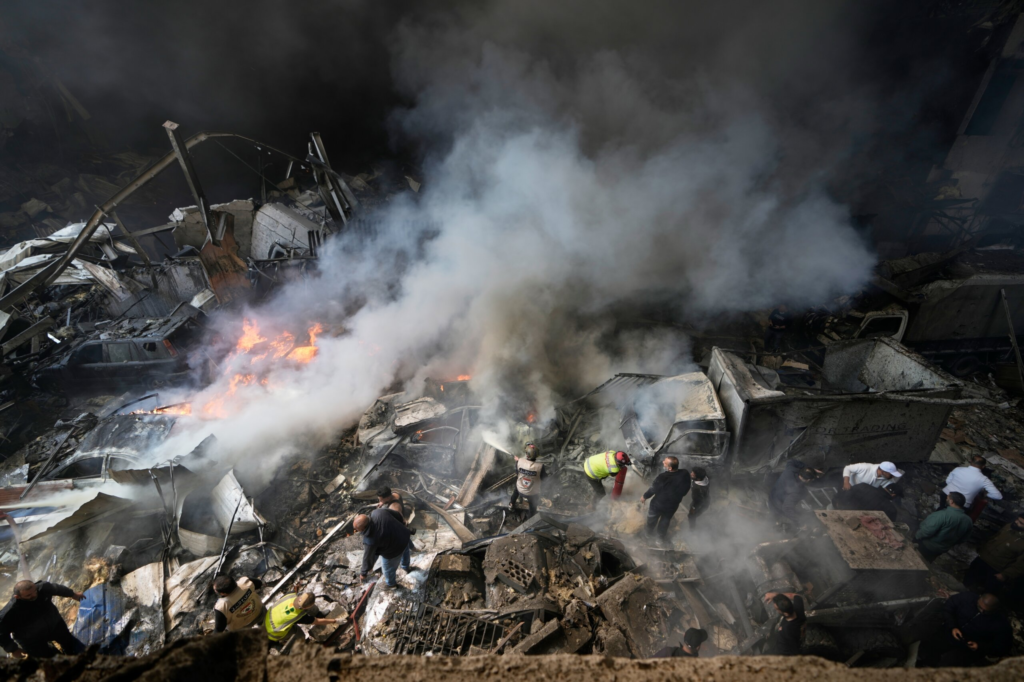
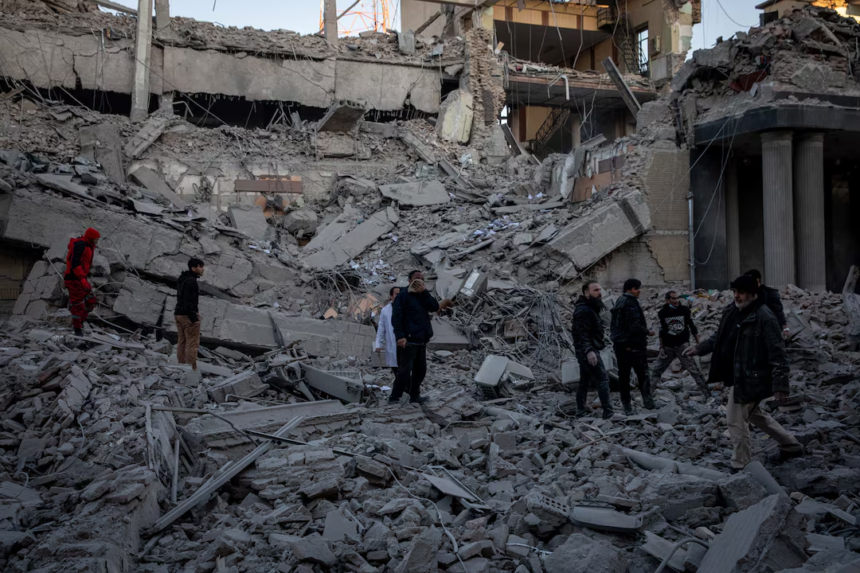
The ceasefire agreement between the United States and Iran was brokered after weeks of intense military engagement that had raised fears of a full-scale regional war. However, the latest developments suggest that the truce is hanging by a thread. Reports from the UAE indicate that new aerial strikes targeted strategic installations, reigniting concerns of a broader escalation.
While neither Washington nor Tehran has officially claimed responsibility for the latest strikes, both sides have issued strongly worded statements accusing each other of violating the ceasefire terms. This blame game has further complicated diplomatic efforts to stabilize the region.
The involvement of the United Arab Emirates marks a significant shift in the conflict’s geography. Previously, much of the tension had been concentrated in and around the Persian Gulf and key strategic waterways. However, the recent strikes in the UAE indicate that the conflict could be expanding into new territories.
Experts believe that the UAE’s strategic importance as a regional economic hub and its proximity to vital shipping routes make it a potential target in any broader confrontation. The attacks have heightened security concerns across the Gulf, with several nations ramping up defense measures.
Here are seven major developments that highlight the rapidly evolving situation:
- Fresh Strikes in UAE: Reports confirm multiple explosions near critical infrastructure, raising fears of further attacks.
- Ceasefire Violations Alleged: Both the US and Iran accuse each other of breaching the truce agreement.
- Increased Military Presence: The US has reportedly moved additional naval assets into the region as a precautionary measure.
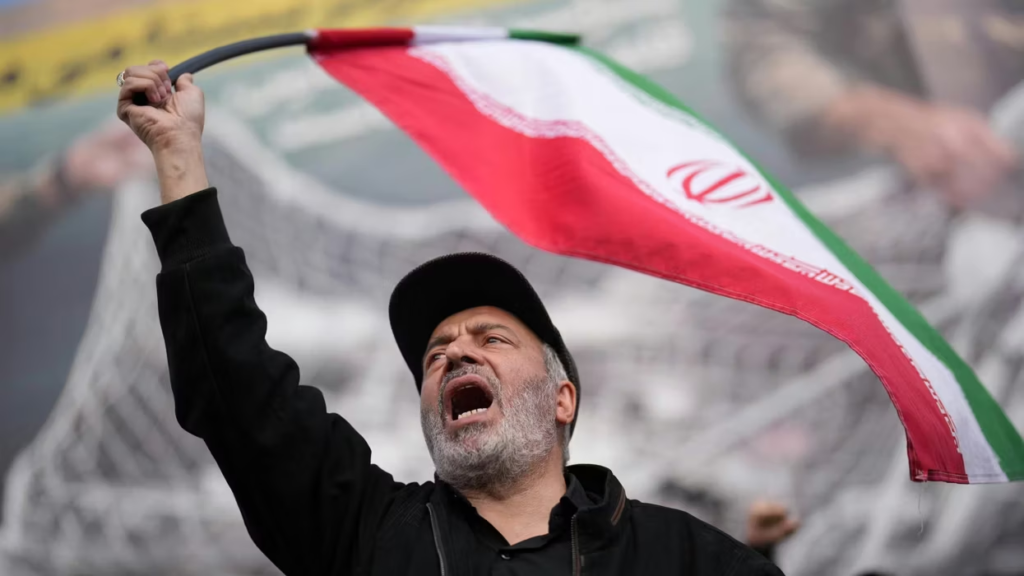
- Iran Issues Warning: Tehran has warned of “serious consequences” if further provocations occur.
- Global Oil Markets React: Oil prices have surged amid fears of supply disruptions in the Gulf.
- Diplomatic Channels Active: Several countries, including European powers, are attempting to mediate and prevent escalation.
- Civilian Concerns Rise: Residents in affected areas report panic and uncertainty as tensions mount.
The Persian Gulf remains one of the most critical regions for global energy supply. Any disruption in this area has immediate repercussions on international markets. The Strait of Hormuz, in particular, serves as a vital chokepoint through which a significant portion of the world’s oil passes.
The recent escalation has once again highlighted the vulnerability of these routes. Shipping companies have begun reassessing their operations, and insurance costs for vessels passing through the region have increased sharply.
The international community has expressed deep concern over the latest developments. World leaders have urged both the United States and Iran to exercise restraint and adhere to the ceasefire agreement.
Several diplomatic initiatives are currently underway to salvage the truce. European nations, along with regional stakeholders, are working behind the scenes to facilitate dialogue between the two sides. However, the success of these efforts remains uncertain given the rapidly changing dynamics on the ground.
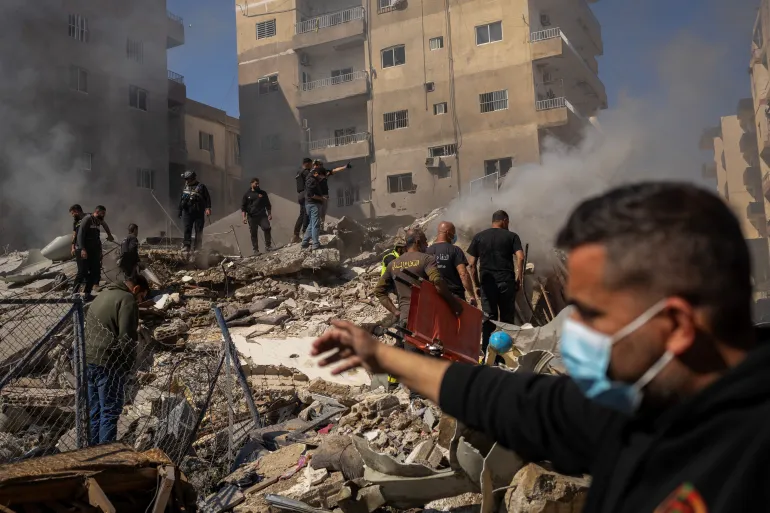
The human cost of the conflict is becoming increasingly evident. In the UAE, residents have reported hearing loud explosions and witnessing heightened security activity. While there have been no confirmed reports of casualties from the latest strikes, the psychological impact on civilians is significant.
Across the broader region, fears of a prolonged conflict are growing. Neighboring countries are bracing for potential spillover effects, including economic disruptions and security challenges.
Both the United States and Iran are engaged in a delicate balancing act. While neither side appears eager to escalate into a full-scale war, the risk of miscalculation remains high. Any further incidents could trigger a chain reaction, drawing in additional regional and global players.
Military analysts note that the presence of advanced weaponry and the proximity of opposing forces increase the likelihood of unintended confrontations. This makes the situation particularly volatile.
The ongoing tensions have already begun to impact global financial markets. Oil prices have experienced sharp fluctuations, reflecting concerns about potential supply disruptions. Investors are closely monitoring the situation, with many adopting a cautious approach.
The broader economic implications could be far-reaching, affecting everything from energy prices to international trade. Countries heavily dependent on Gulf oil are particularly vulnerable to these developments.
As the situation continues to evolve, several scenarios are possible. The best-case outcome would involve a renewed commitment to the ceasefire and a de-escalation of hostilities through diplomatic means. However, the current trajectory suggests that achieving this will be challenging.
If the ceasefire collapses completely, the region could witness a significant escalation, with far-reaching consequences for global security and economic stability.