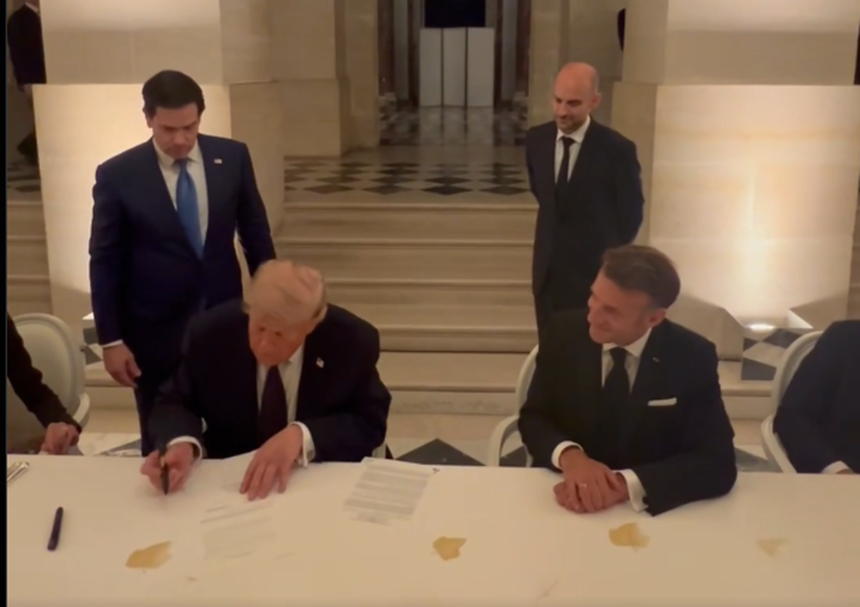
BREAKING: Trump & Iran’s President Sign Historic Peace Deal to End West Asia War in 2026
Trump and Iran’s President sign a historic peace deal aimed at ending the West Asia war
In a significant diplomatic development, US President Donald Trump and Iranian President Masoud Pezeshkian have signed an agreement intended to end months of conflict in West Asia. The accord, described by officials as a 14-point memorandum and interim peace framework, seeks to halt hostilities, reopen vital trade routes, and create a roadmap for broader negotiations on regional security and Iran’s nuclear program.
The agreement has been welcomed by several international leaders as a major step toward reducing tensions in one of the world’s most strategically important regions. At the same time, analysts caution that its long-term success will depend on whether both sides fully implement the commitments outlined in the deal.
The signing follows months of military confrontation that disrupted regional stability, affected global energy markets, and raised fears of a wider conflict.
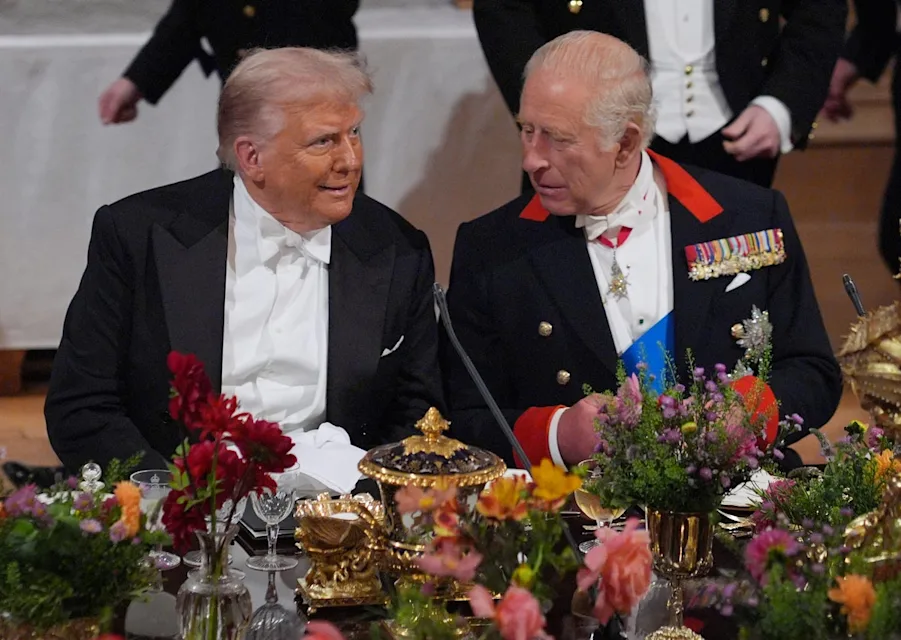
Officials involved in the negotiations described the agreement as an opportunity to replace military escalation with diplomacy. While the memorandum is intended to end active fighting, it also establishes a framework for future negotiations on broader political and security issues.
The announcement immediately attracted global attention because of the strategic importance of the United States and Iran in shaping Middle East geopolitics.
Financial markets, energy companies, and governments closely monitored the development, viewing it as a potential turning point for regional stability.
According to reports, the framework contains several major commitments designed to reduce tensions and restore normal economic activity.
Among the reported provisions are:
- An immediate ceasefire intended to halt military operations.
- Steps toward easing or lifting selected US sanctions.
- The gradual release of certain frozen Iranian assets under agreed conditions.
- Measures to ensure the continued movement of commercial shipping through the Strait of Hormuz.
- International oversight of aspects of Iran’s nuclear activities.
- Discussions on a large-scale reconstruction and economic recovery framework tied to future compliance.
Officials have indicated that additional implementation details are expected to emerge through continued diplomatic engagement.
One of the agreement’s most closely watched elements concerns the reopening and security of the Strait of Hormuz.
The waterway serves as one of the world’s most important maritime energy routes, carrying a significant share of globally traded crude oil and liquefied natural gas.
Any disruption to shipping through the strait has immediate consequences for international energy prices and global supply chains.
Restoring confidence in commercial navigation could help stabilize energy markets and reduce uncertainty for businesses worldwide.
Another important aspect of the agreement involves Iran’s nuclear program.
According to reports, Iran agreed to measures intended to prevent the development of nuclear weapons while allowing internationally supervised oversight of parts of its nuclear activities.
These commitments are expected to become a central focus of follow-up negotiations between diplomats and technical experts.
International monitoring organizations are likely to play an important role in verifying compliance with future agreements.
Beyond security issues, the agreement could have significant economic implications.
Reduced geopolitical tensions often improve investor confidence and support international trade.
Energy markets reacted positively to expectations that oil exports and maritime transportation could become more stable.
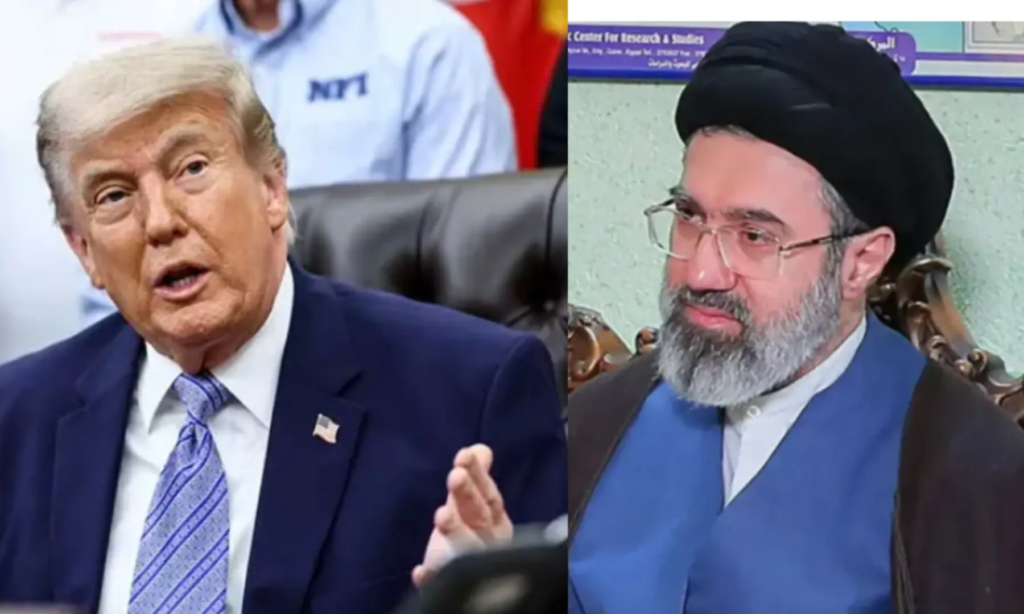
Businesses involved in shipping, logistics, manufacturing, and international commerce are watching developments closely, as prolonged regional stability could improve global supply chains.
Economists note that lower geopolitical risk often contributes to reduced market volatility and improved investment sentiment.
One of the most widely discussed aspects of the agreement involves a proposed reconstruction framework reportedly valued at approximately $300 billion.
Officials have indicated that the proposal is linked to future investment, economic recovery, and international participation rather than representing an immediate direct payment by the United States.
The framework remains subject to conditions, negotiations, and future implementation.
Analysts emphasize that any large-scale reconstruction initiative would likely involve multiple international stakeholders and extensive oversight.
Governments around the world responded cautiously but positively to news of the agreement.
Several leaders described diplomacy as the preferred path toward reducing regional instability and preventing further humanitarian and economic consequences.
Many international observers welcomed efforts to replace military confrontation with structured negotiations.
At the same time, some political leaders and security analysts expressed concern about implementation challenges and stressed the importance of verification mechanisms.
The coming weeks are expected to determine whether the agreement leads to lasting confidence-building measures.
As with many major foreign policy decisions, the agreement has generated debate.
Supporters argue that diplomacy offers the best opportunity to reduce conflict, reopen trade routes, and improve regional security.
Critics question whether Iran will fully comply with its commitments and whether the concessions outlined in the framework adequately protect long-term security interests.
The differing viewpoints reflect broader debates over sanctions, deterrence, and diplomatic engagement.
Such discussions are likely to continue as additional details of the agreement become available.
Although the signing represents an important diplomatic milestone, significant challenges remain.
Peace agreements often require sustained political commitment, verification, and cooperation among multiple parties.
Even after formal agreements are reached, implementation can encounter obstacles related to security concerns, domestic politics, and regional dynamics.
Experts note that confidence-building measures, transparency, and continued dialogue will be essential if the agreement is to achieve its intended objectives.
The coming months will likely include technical negotiations, diplomatic meetings, and ongoing monitoring of compliance.
If successfully implemented, the agreement could reshape the strategic landscape of West Asia.
Reduced military tensions may encourage increased economic cooperation, renewed investment, and greater regional stability.
Countries across the region could benefit from improved trade, tourism, and commercial activity if the ceasefire holds and diplomatic engagement continues.
However, analysts caution that lasting peace depends not only on signed documents but also on sustained political will and practical implementation.
The agreement signed by President Donald Trump and Iranian President Masoud Pezeshkian marks one of the most significant diplomatic developments in recent regional history. By outlining a framework for ending hostilities, addressing nuclear concerns, restoring maritime trade, and encouraging future economic recovery, the memorandum offers an opportunity to reduce tensions after months of conflict.
Whether this initiative ultimately succeeds will depend on the willingness of both governments to honor their commitments and continue negotiations. For now, the agreement represents an important step toward diplomacy, even as observers around the world wait to see whether the promises made on paper translate into lasting peace across West Asia.
Read Also : BJP’s Bengal Blockbuster 5 Reasons Mithun Chakraborty Emerged as the Unsung Hero of West Bengal Victory