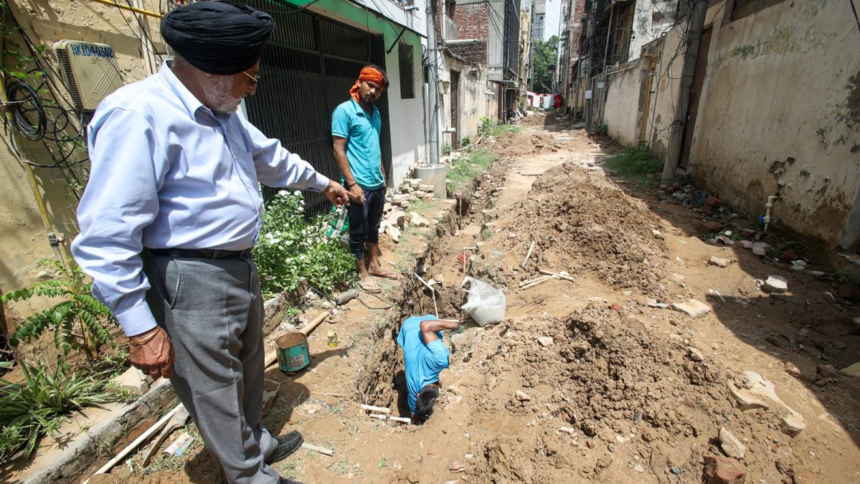
5 Reasons South Delhi’s Elite Colonies Are Receiving ‘Black Like Sewage’ Water
South Delhi’s affluent neighbourhoods are facing a growing water crisis as residents report black, sewage-like water flowing from taps
Residents of several affluent neighbourhoods in South Delhi are grappling with an alarming water crisis as reports of black, foul-smelling, sewage-like water flowing from household taps continue to surface. Known for their upscale homes, premium residential colonies, and well-developed infrastructure, these localities are now facing a problem more commonly associated with failing urban systems.
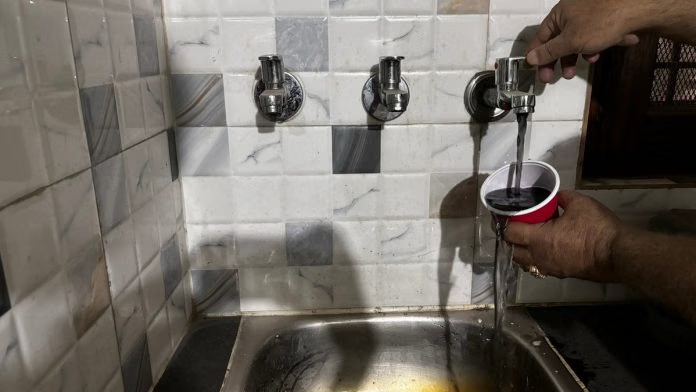
The issue has sparked outrage among residents, raised concerns about public health, and prompted demands for urgent action from authorities. Videos and photographs shared on social media show dark-colored water being collected in buckets, sinks, and storage tanks, leading many residents to question the quality and safety of the water supply reaching their homes.
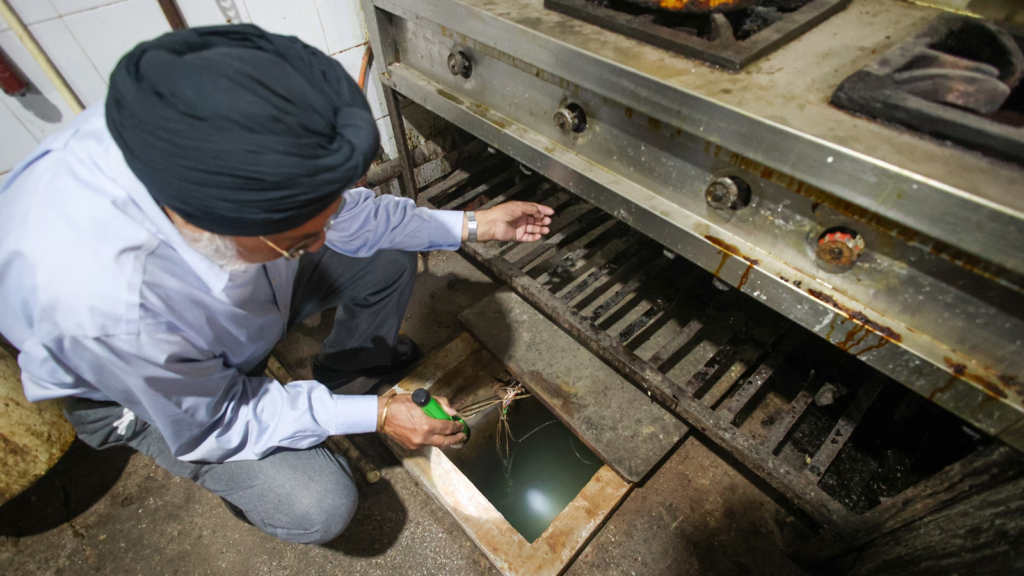
As complaints continue to mount, experts and civic officials are examining possible causes behind the contamination and assessing the broader implications for Delhi’s aging water infrastructure.
The water contamination issue has emerged as one of the most discussed civic concerns in South Delhi in recent weeks.
Residents from several premium residential areas have reported receiving water that appears black, muddy, or contaminated. Many have described the water as resembling sewage, raising fears about its suitability for drinking, cooking, bathing, and household use.
The problem has affected daily life in numerous households, forcing families to rely on bottled water, private water tankers, and filtration systems.
Many residents argue that such conditions are unacceptable in neighbourhoods that pay substantial property taxes and utility charges.
The crisis has highlighted vulnerabilities within urban infrastructure systems that often remain unnoticed until major disruptions occur.
For many families, the issue extends beyond inconvenience.
Parents have expressed concerns about the health and safety of children, while elderly residents worry about the potential risks associated with prolonged exposure to contaminated water.
Several residents claim that the unusual discoloration is often accompanied by unpleasant odors, making the water unsuitable for everyday use.
Community groups and resident welfare associations have reportedly submitted complaints to local authorities seeking immediate intervention.
Social media has played a significant role in amplifying concerns, with videos of black water quickly attracting widespread attention.
The visual evidence has intensified public pressure on civic agencies to identify and address the source of contamination.
Experts suggest that several factors could contribute to the appearance of black or sewage-like water in residential supply systems.
One possible cause is the mixing of sewage and drinking water due to damaged pipelines. Aging infrastructure, leaks, and cracks can create opportunities for contaminants to enter water distribution networks.
Another potential factor is the accumulation of sediment, rust, or organic material within pipelines and storage systems.
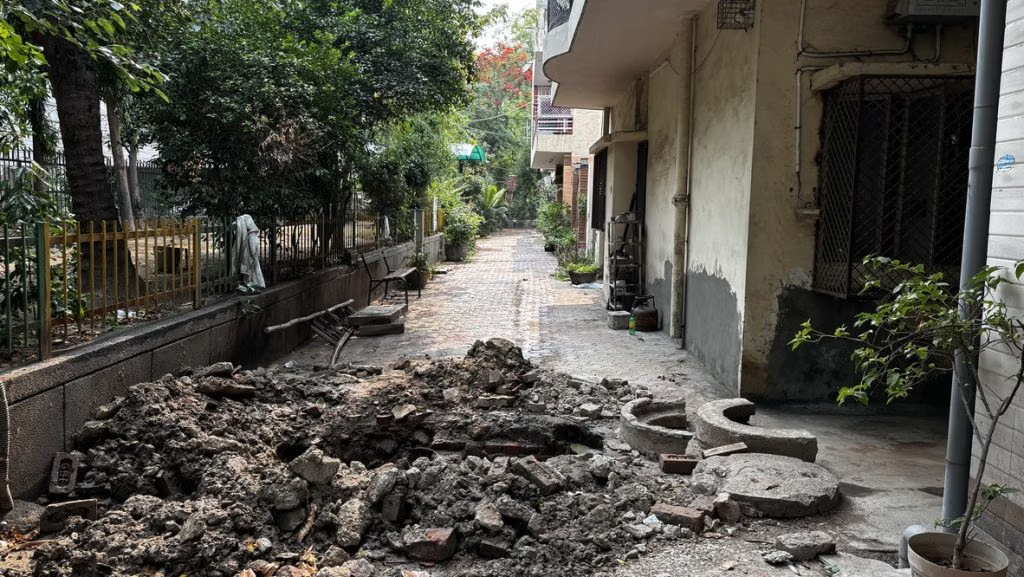
In some cases, maintenance work, pressure fluctuations, or disruptions in supply networks can temporarily affect water quality.
Heavy rainfall, flooding, and drainage issues may also increase the risk of contamination in certain areas.
Authorities typically conduct testing and inspections to determine the precise source of such problems before implementing corrective measures.
Delhi’s water distribution network serves millions of residents across a vast urban area.
Like many large cities, parts of the infrastructure are decades old and require regular maintenance, upgrades, and replacement.
Aging pipelines can become vulnerable to leaks, corrosion, and structural deterioration over time.
Urban expansion and increasing demand place additional pressure on existing systems, making maintenance even more challenging.
Experts argue that long-term investments in infrastructure modernization are essential to prevent recurring water quality issues.
The current crisis has renewed calls for comprehensive assessments of water distribution networks throughout the city.
Water quality issues are not merely civic inconveniences; they can have serious public health implications.
Contaminated water may contain harmful bacteria, viruses, parasites, or chemical pollutants capable of causing illness.
Health experts often advise residents to avoid consuming discolored or foul-smelling water until its safety can be verified.
Common concerns associated with contaminated water include gastrointestinal illnesses, skin irritation, and other health complications.
Authorities typically recommend boiling water, using certified filtration systems, or relying on alternative sources until testing confirms that the supply is safe.
Residents are increasingly seeking clarity regarding water quality standards and testing procedures.
The crisis has intensified demands for greater transparency and accountability from civic agencies responsible for water management.
Residents want clear explanations regarding the causes of contamination, timelines for repairs, and measures being taken to prevent future incidents.
Many community leaders argue that communication is critical during such situations.
Regular updates, public testing reports, and direct engagement with affected communities can help maintain public confidence while corrective actions are implemented.
The growing attention surrounding the issue has placed pressure on authorities to demonstrate that concerns are being addressed seriously and effectively.
The contamination issue has disrupted daily routines for thousands of residents.
Families are spending additional money on bottled water and tanker services, while businesses are dealing with operational challenges related to water quality.
Restaurants, schools, healthcare facilities, and other institutions also rely heavily on consistent access to clean water.
Any prolonged disruption can affect both economic activity and quality of life.
Many residents report altering household routines, limiting water usage, and increasing expenditures on purification measures.
The cumulative impact highlights the importance of reliable urban utilities in modern city life.
The South Delhi water crisis reflects broader challenges faced by rapidly growing cities around the world.
Urban populations continue to expand, placing greater demands on water resources and infrastructure systems.
Climate change, population growth, aging assets, and environmental pressures are creating new challenges for water management authorities.
Experts emphasize the need for proactive planning, regular maintenance, and investment in resilient infrastructure.
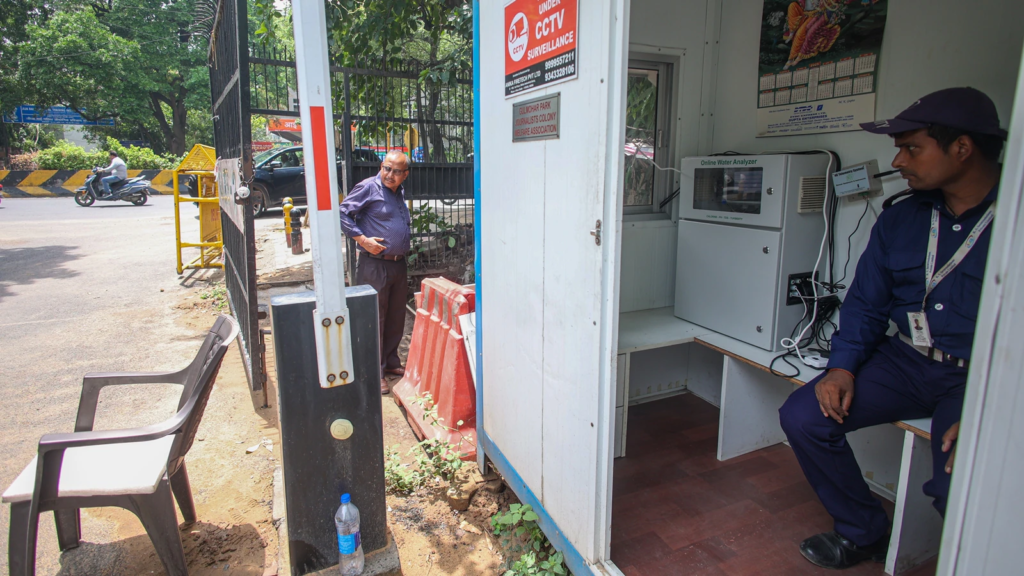
Technological innovations such as smart monitoring systems, leak detection technologies, and advanced treatment facilities may help improve water quality and distribution efficiency in the future.
However, long-term success depends on consistent implementation and adequate funding.
Experts suggest several steps that could help address the current situation and reduce the likelihood of future incidents.
These may include:
- Conducting comprehensive water quality testing.
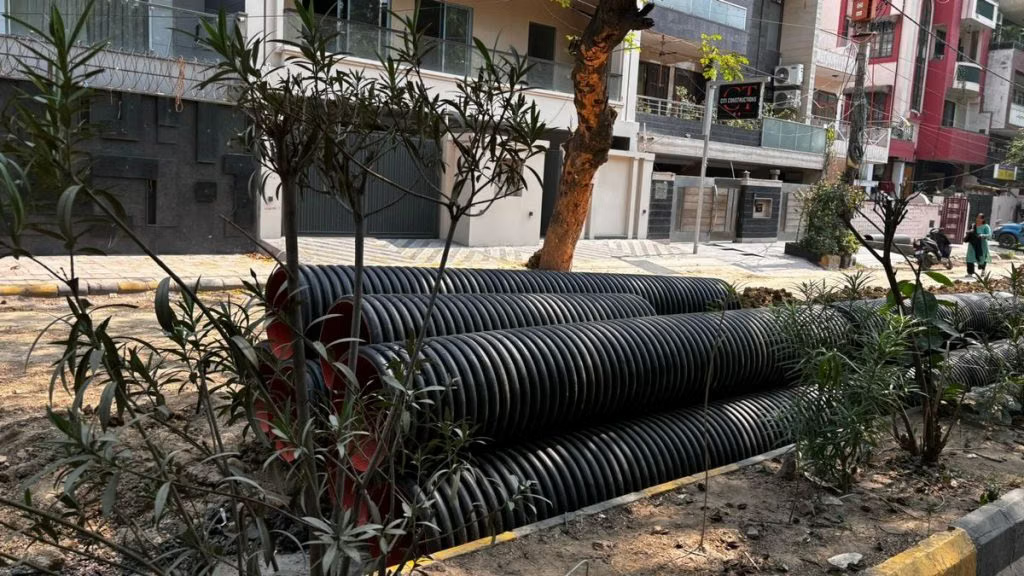
- Inspecting and repairing damaged pipelines.
- Improving monitoring and maintenance systems.
- Enhancing public communication.
- Investing in infrastructure modernization.
- Strengthening emergency response mechanisms.
A coordinated approach involving government agencies, engineers, public health experts, and community representatives can help ensure effective solutions.
The immediate priority remains restoring confidence in the safety and reliability of the water supply.
While temporary fixes may alleviate immediate concerns, many residents are calling for structural improvements that address underlying issues.
They argue that recurring water quality problems indicate the need for broader reforms rather than isolated interventions.
Improved transparency, stronger oversight, and sustained investment in infrastructure are among the most frequently cited priorities.
Community organizations continue advocating for greater accountability and more robust maintenance programs.
Residents hope the current crisis will serve as a catalyst for meaningful improvements in urban water management.
The reports of black, sewage-like water in South Delhi’s affluent neighbourhoods have exposed vulnerabilities within urban infrastructure systems that affect residents regardless of income level.
The crisis serves as a reminder that reliable access to clean water remains one of the most essential services in any modern city.
As authorities investigate the causes and implement corrective measures, residents will be watching closely for tangible improvements.
The effectiveness of the response could shape public confidence in civic institutions and influence future discussions about infrastructure investment and urban planning.
For now, families across South Delhi continue to seek answers, solutions, and above all, access to the clean and safe water that every household expects and deserves.
Read Also : Noida International Airport Begins Commercial Operations, 50+ Jewar Farmers Board First Flight