5 Killed in Israeli Strikes on South Lebanon Despite Ceasefire—West Asia War LIVE Updates
West Asia War LIVE Updates: Five people were killed in Israeli strikes on south Lebanon despite the ceasefire, raising fears of renewed regional tensions
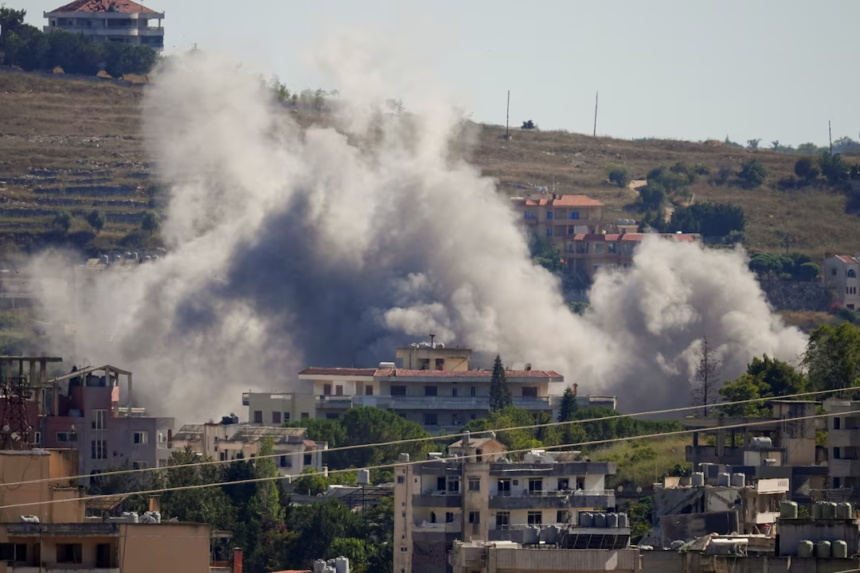
A fragile ceasefire in southern Lebanon has come under immediate strain after Israeli airstrikes and drone attacks reportedly killed at least five people in the Nabatieh region, according to Lebanese state media. The violence occurred only hours after a ceasefire between Israel and the Iran-backed Hezbollah movement was announced, raising fresh concerns about the durability of efforts to reduce tensions across West Asia.
The latest escalation has intensified fears that renewed hostilities could derail broader diplomatic initiatives aimed at stabilizing the region. International observers are closely monitoring developments as both military activity and diplomatic negotiations continue simultaneously.
The ceasefire was scheduled to take effect on Friday afternoon following mediation efforts involving international stakeholders. However, reports from Lebanon indicated that airstrikes and artillery shelling continued overnight and into Saturday morning.
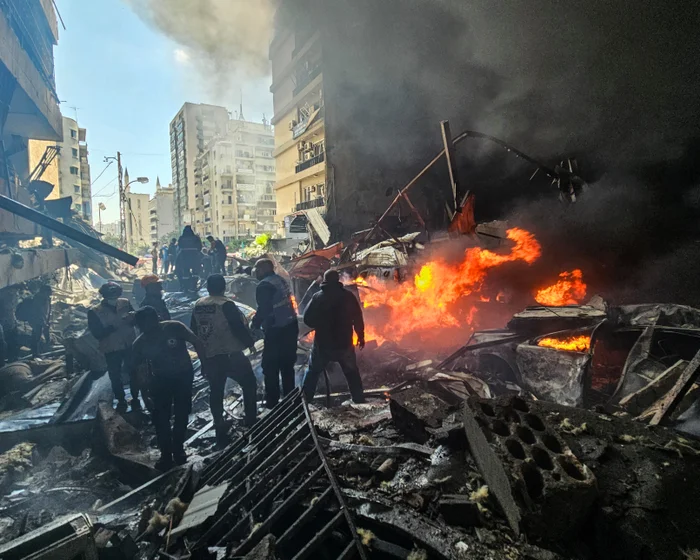
According to Lebanese state media, several residential buildings in the Nabatieh area were destroyed during the attacks, while rescue teams continued searching affected locations. Lebanese authorities reported at least five fatalities, though the toll could change as emergency operations continue.
The renewed violence has prompted questions about whether the ceasefire can be effectively implemented on the ground.
The reported strikes targeted multiple locations in southern Lebanon, particularly around Nabatieh.
Local reports indicated that:
- Airstrikes struck residential areas.
- Drone attacks were also reported.
- Artillery shelling occurred before dawn.
- Multiple buildings sustained extensive damage.
- Emergency responders were deployed immediately after the attacks.
Independent verification of all battlefield claims remains difficult during active conflict, and the circumstances surrounding each strike continue to be investigated.
The ceasefire had been viewed as an important opportunity to reduce violence after weeks of escalating military exchanges.
Officials from several countries had expressed hope that the truce would create space for broader diplomatic discussions concerning regional security and ongoing tensions involving Israel, Lebanon, Iran, and Hezbollah.
Analysts noted that a sustained reduction in hostilities could also improve prospects for wider negotiations involving regional stability and humanitarian access.
However, the latest reports illustrate how fragile such agreements can be when military operations continue despite announced ceasefire arrangements.
The conflict in southern Lebanon cannot be viewed in isolation.
Over recent months, military activity has intensified across several parts of West Asia, increasing fears of a broader regional confrontation.
Security experts continue monitoring developments involving:
- Israel.
- Hezbollah.
- Iran.
- Lebanon.
- International diplomatic efforts.
Any escalation along the Israel-Lebanon border carries the potential to influence wider geopolitical developments throughout the Middle East.
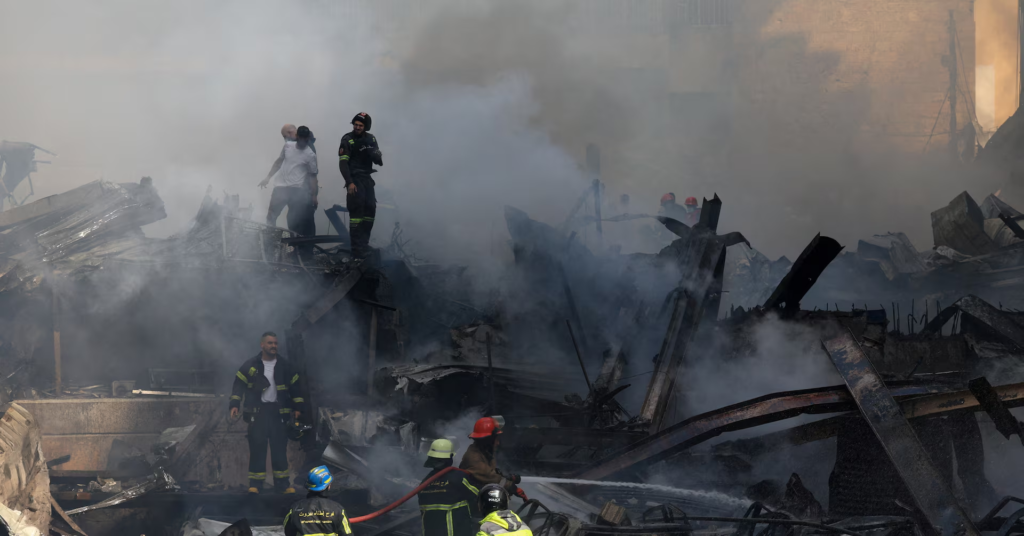
Civilian safety remains one of the most pressing concerns.
Damage to homes and civilian infrastructure has increased humanitarian challenges in affected communities.
Relief organizations have repeatedly emphasized the importance of protecting civilians and ensuring safe access for emergency medical personnel and humanitarian workers.
Continued military operations also create additional displacement risks for families living near conflict zones.
International humanitarian agencies continue calling for respect for international humanitarian law and greater protection of civilian populations.
The reported strikes have complicated ongoing diplomatic initiatives.
Several planned meetings concerning regional security and broader negotiations have already experienced delays amid renewed military activity.
Diplomats continue encouraging restraint while emphasizing that dialogue remains the preferred path toward reducing regional instability.
Political observers note that successful peace initiatives require sustained confidence between parties, something that becomes increasingly difficult when violence continues despite announced ceasefires.
The latest developments may have consequences extending well beyond southern Lebanon.
Persistent instability could affect:
- Regional security.
- International shipping.
- Energy markets.
- Diplomatic negotiations.
- Humanitarian operations.
- Cross-border security cooperation.
Investors and governments continue watching developments closely because prolonged instability in West Asia often influences global financial and energy markets.
Governments and international organizations are expected to continue urging restraint from all sides.
Previous ceasefire initiatives have often depended on international mediation, monitoring mechanisms, and continued diplomatic engagement.
Observers argue that maintaining open communication channels remains essential even during periods of renewed violence.
Several countries have reiterated support for diplomatic solutions aimed at preventing further escalation across the region.
Implementing any ceasefire presents significant operational challenges.
Among the key obstacles are:
- Mutual distrust.
- Ongoing military operations.
- Security concerns.
- Verification difficulties.
- Rapidly changing battlefield conditions.
- Political disagreements.
History demonstrates that ceasefires frequently experience violations during their initial stages.
Experts emphasize that monitoring mechanisms and continued negotiations are often essential for improving compliance over time.
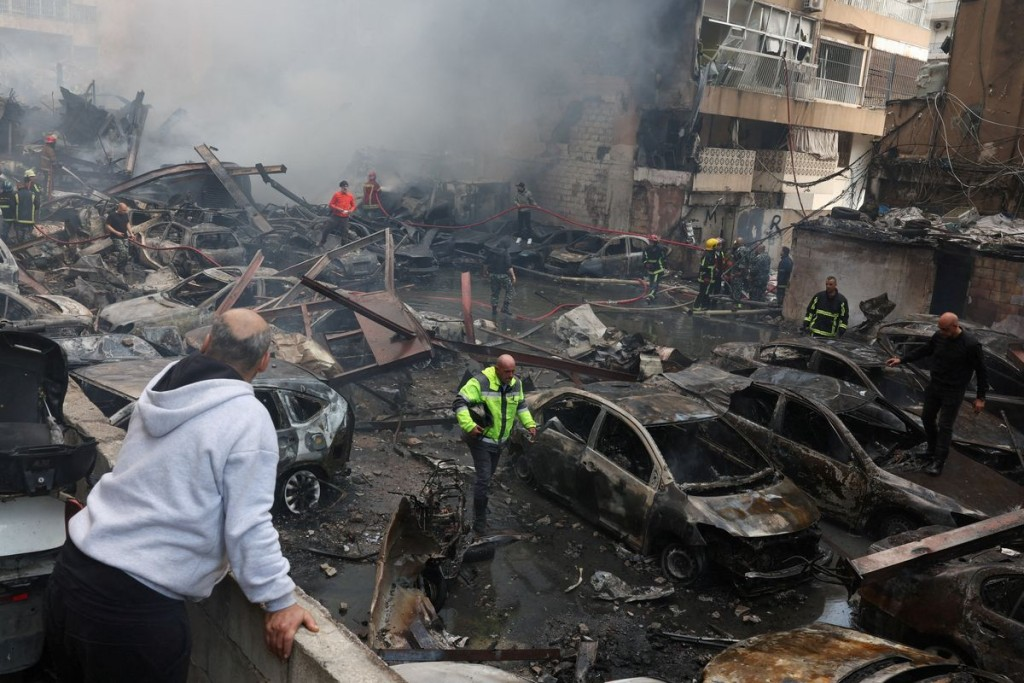
Military and diplomatic developments are expected to continue evolving rapidly.
Authorities are likely to:
- Assess damage from the reported strikes.
- Continue humanitarian assistance.
- Review ceasefire implementation.
- Maintain diplomatic contacts.
- Evaluate regional security conditions.
International observers will closely monitor whether hostilities decrease or whether additional military incidents further weaken the ceasefire.
Future diplomatic discussions may also focus on strengthening monitoring arrangements designed to reduce the likelihood of renewed clashes.
The deaths reported in southern Lebanon only hours after the announcement of a ceasefire underscore the fragile security environment across West Asia. While the ceasefire represented an important diplomatic effort to reduce hostilities, the latest strikes highlight the considerable challenges involved in translating political agreements into lasting peace on the ground.
As governments, humanitarian organizations, and international mediators continue responding to the situation, the coming days will be critical in determining whether the ceasefire can still be stabilized or whether renewed violence will further complicate regional diplomacy.
For millions of people across the region, hopes for lasting peace now depend not only on diplomatic agreements but also on sustained implementation, restraint, and continued engagement among all parties involved.
Read Also : Jio Platforms IPO to Issue Up to 27 Crore Fresh Shares—5 Big Things Investors Must Know