5 Key Takeaways From the First Round of Iran-U.S. Talks That Could Reshape West Asia
Explore the 5 biggest takeaways from the first round of Iran-U.S. talks, including key diplomatic developments, nuclear negotiations, regional security discussions, ceasefire efforts
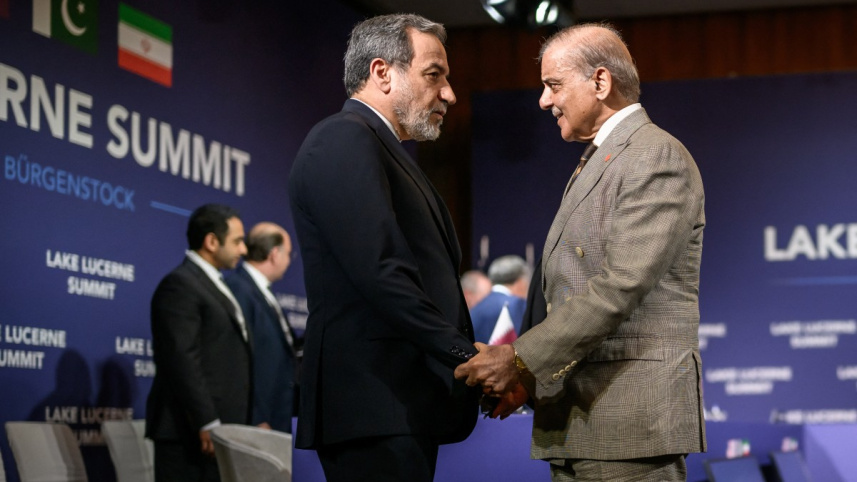
The first round of direct high-level talks between the United States and Iran has emerged as one of the most closely watched diplomatic developments in recent years. After months of heightened military tensions, economic uncertainty, and international concern over regional stability, officials from both countries met to explore a path toward reducing hostilities and rebuilding diplomatic engagement.
Although the discussions did not produce a final comprehensive agreement, negotiators described the initial round as constructive and agreed to continue dialogue on several critical issues. The meeting focused on regional security, nuclear-related concerns, maritime safety, sanctions, humanitarian cooperation, and mechanisms to prevent future military escalation.
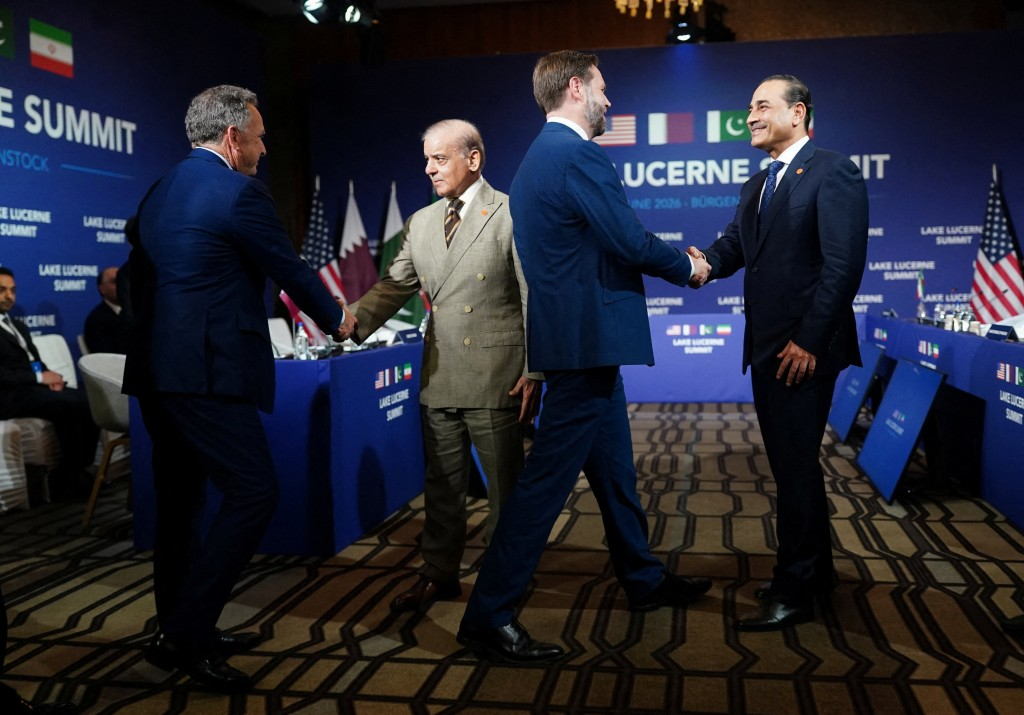
International observers have welcomed the talks as an important first step toward restoring diplomatic communication between two countries whose relationship has remained deeply strained for decades.
Here are the five biggest takeaways from the opening round of negotiations and why they matter for the future of West Asia and global stability.
Perhaps the most significant outcome of the first round was the commitment to continue negotiations.
Rather than ending discussions after a single meeting, both delegations agreed that additional rounds of talks would be necessary to resolve longstanding disagreements.
Diplomatic experts consider this an encouraging development because sustained dialogue often forms the foundation of successful international agreements.
Officials emphasized that rebuilding trust cannot happen overnight, particularly after years of political tensions, sanctions, and military confrontations.
The willingness to remain engaged indicates that both governments recognize diplomacy as the preferred path for managing future disputes.
Security issues occupied a central place during the negotiations.
Representatives reportedly discussed ways to reduce the risk of military escalation across West Asia while improving communication during periods of crisis.
Topics included:
- Maritime security.
- Regional conflict prevention.
- Protection of international shipping.
- De-escalation mechanisms.
- Military communication channels.
The Strait of Hormuz received particular attention because of its strategic importance to global energy supplies.
Ensuring uninterrupted commercial shipping remains a priority for governments and international businesses alike.
Analysts believe that improved coordination on maritime security could help reduce geopolitical tensions and improve confidence among global markets.
Iran’s nuclear program continues to be one of the most sensitive issues in bilateral relations.
During the talks, negotiators reportedly explored possible frameworks that could strengthen transparency while addressing international concerns regarding nuclear activities.
Although no final agreement emerged, both sides acknowledged the importance of continuing technical discussions involving nuclear verification, monitoring, and compliance.
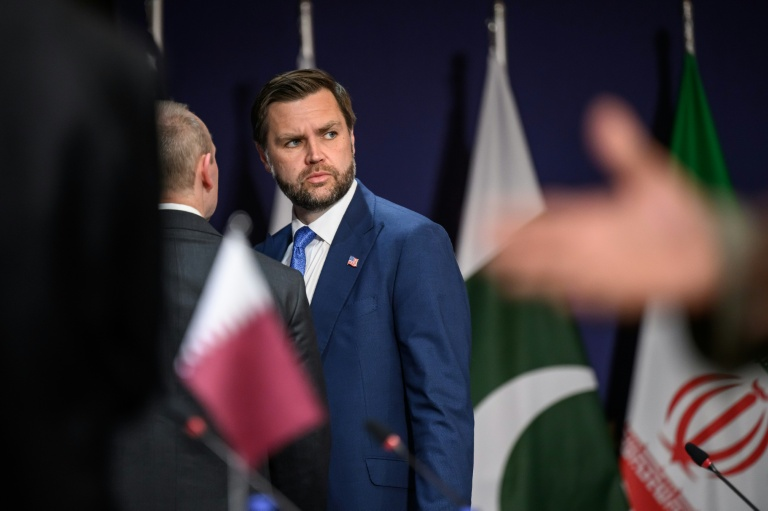
Experts note that nuclear negotiations typically require extensive technical work involving international inspectors, diplomats, and scientific specialists.
The first round established a foundation for these more detailed conversations.
Future negotiations are expected to examine verification procedures, inspection arrangements, and confidence-building measures.
In addition to security matters, negotiators reportedly examined humanitarian concerns and broader economic issues.
Topics included:
- Humanitarian assistance.
- Medical cooperation.
- Economic recovery.
- Regional trade.
- Financial restrictions.
- Confidence-building initiatives.
Observers believe that progress in humanitarian areas could help build trust while creating momentum for broader political agreements.
Economic issues remain especially important because years of sanctions have affected trade, investment, and economic activity throughout the region.
While major financial decisions are unlikely during the early stages of negotiations, continued dialogue may gradually create opportunities for future cooperation.
Perhaps the clearest message emerging from the first round is that diplomacy remains an ongoing process.
Officials indicated that additional meetings are expected to address unresolved issues and refine proposals discussed during the initial session.
Future negotiations may include:
- Technical working groups.
- Ministerial meetings.
- International mediation.
- Verification arrangements.
- Regional security consultations.
Diplomatic observers emphasize that major international agreements often require months or even years of sustained negotiations.
The first meeting should therefore be viewed as the beginning of a broader diplomatic process rather than its conclusion.
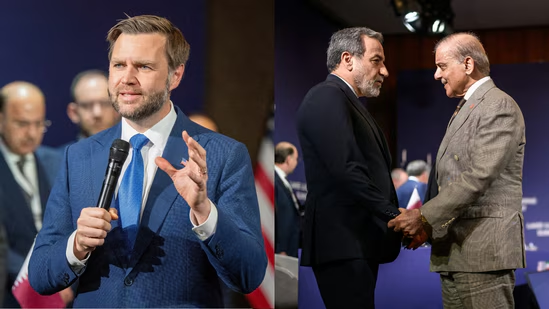
The significance of the negotiations extends well beyond relations between Washington and Tehran.
The outcome could influence security, trade, energy markets, and diplomacy throughout West Asia.
Several countries have welcomed renewed dialogue because reduced tensions may help improve regional stability.
Successful diplomacy could also reduce risks associated with military confrontation and support broader international cooperation.
Global businesses are paying close attention because geopolitical stability directly affects energy prices, shipping routes, and investment confidence.
Energy markets closely monitor every development involving the United States and Iran.
The region plays an essential role in global oil production and maritime transportation.
Any improvement in diplomatic relations may contribute to:
- Lower geopolitical risk.
- More stable oil prices.
- Improved shipping security.
- Greater investor confidence.
- Stronger supply chain resilience.
Financial analysts continue assessing how future negotiations could influence international commodity markets.
Governments around the world generally welcomed the decision to continue diplomatic engagement.
Several countries reiterated support for peaceful negotiations while encouraging both sides to maintain open communication.
International organizations also emphasized the importance of dialogue in reducing regional tensions and preventing further conflict.
Although challenges remain substantial, many observers view continued negotiations as preferable to renewed military escalation.
Despite the positive tone surrounding the first meeting, significant obstacles remain.
Among the most important challenges are:
- Political distrust.
- Verification mechanisms.
- Regional security concerns.
- Sanctions policy.
- Domestic political considerations.
- Longstanding diplomatic disagreements.
Experts caution that future negotiations will require patience, flexibility, and sustained political commitment from all parties.
Even when diplomatic progress occurs, implementation often proves more difficult than reaching initial understandings.
Diplomats are expected to begin preparing for subsequent rounds of discussions.
Technical experts may meet separately to address specialized issues involving nuclear monitoring, maritime security, and economic cooperation.
Future negotiations could also involve additional international partners acting as facilitators or observers.
Governments are expected to continue consulting closely with regional allies throughout the process.
The coming weeks may determine whether the initial momentum generated during the first round can be translated into concrete agreements.
The first round of Iran-U.S. talks represents an important step toward restoring diplomatic engagement after years of strained relations.
Although no comprehensive agreement has yet been finalized, the willingness of both sides to continue discussions demonstrates a shared interest in reducing tensions through dialogue rather than confrontation.
The five major takeaways from the meeting—continued diplomacy, regional security discussions, nuclear negotiations, humanitarian engagement, and plans for additional talks—provide a framework for future negotiations that could influence the political and economic landscape of West Asia.
While many complex issues remain unresolved, the opening round has established channels for continued communication and created cautious optimism among international observers.
Whether these negotiations ultimately lead to lasting agreements will depend on sustained political will, mutual confidence, and careful implementation of future commitments.
For now, the talks mark a meaningful diplomatic beginning and a reminder that even the most difficult international disputes can benefit from persistent dialogue and constructive engagement.
Read Also : 5 Killed in Israeli Strikes on South Lebanon Despite Ceasefire—West Asia War LIVE Updates