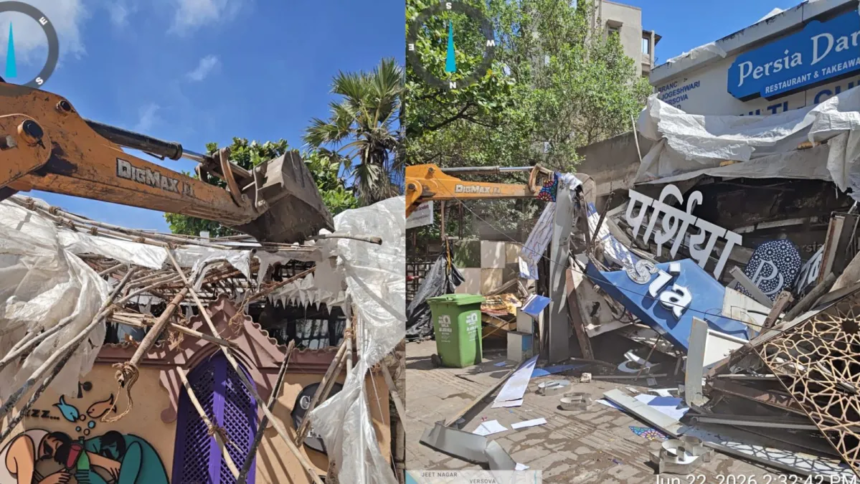
BMC Cracks Down: 17 Illegal Structures Demolished as Mumbai Footpaths Reclaimed
The BMC demolished 17 illegal structures in a major anti-encroachment drive, reclaiming Mumbai footpaths to improve pedestrian safety, ease traffic congestion, and restore public spaces
Mumbai, India’s financial capital, is one of the most densely populated cities in the world. Every day, millions of residents rely on its roads, footpaths, suburban railway network, buses, and metro services to commute. As the city’s population continues to grow, managing public spaces has become one of the biggest challenges for civic authorities. Encroachments on footpaths and public roads have long been a concern, affecting pedestrian safety, traffic movement, and overall urban planning.
According to reports, the Brihanmumbai Municipal Corporation (BMC) recently carried out an anti-encroachment drive in which 17 illegal structures were demolished as part of an effort to reclaim public footpaths. Such drives are part of the civic body’s ongoing mission to ensure that pedestrian pathways remain accessible and public spaces are used according to municipal regulations.
Footpaths are designed to provide pedestrians with a safe space away from moving traffic. In a city like Mumbai, where lakhs of people walk every day to railway stations, bus stops, schools, colleges, offices, hospitals, and markets, unobstructed walkways are essential.
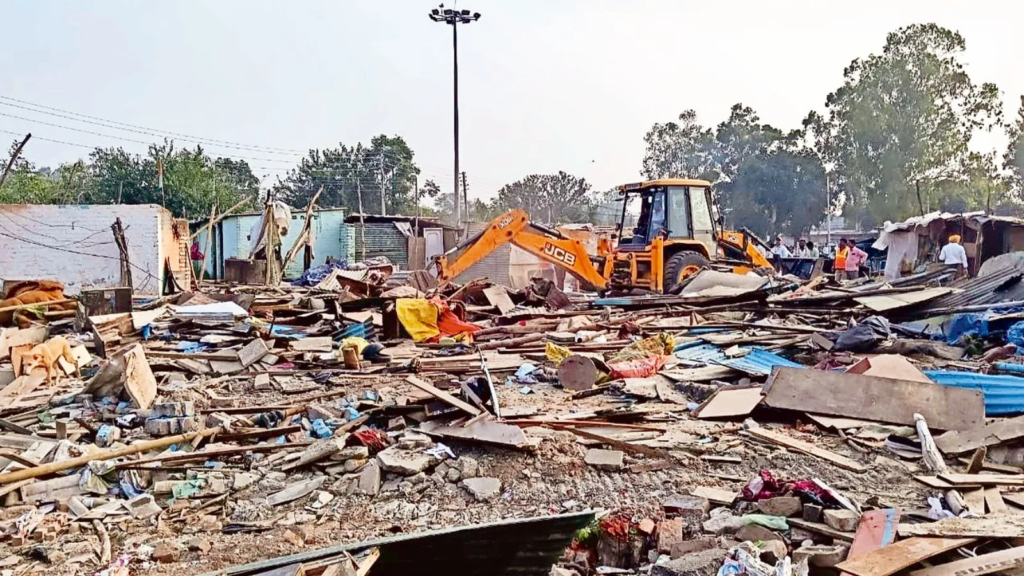
When footpaths become occupied by unauthorized structures or encroachments, pedestrians are often forced onto busy roads, increasing the risk of accidents. Clear walkways also improve accessibility for senior citizens, children, and persons with disabilities.
Urban planners have consistently highlighted that pedestrian-friendly infrastructure plays an important role in creating safer and more sustainable cities.
Encroachments occur for several reasons. Rapid urbanization, increasing migration, commercial expansion, and space constraints often contribute to unauthorized construction or occupation of public land.
In commercial areas, businesses sometimes extend beyond their approved premises by placing stalls, displays, temporary sheds, or storage facilities on footpaths. In residential areas, illegal extensions may reduce the available space for pedestrians.
Such encroachments not only inconvenience commuters but can also obstruct emergency services, create sanitation concerns, and contribute to traffic congestion.
The Brihanmumbai Municipal Corporation is responsible for maintaining civic infrastructure across Mumbai. Its responsibilities include road maintenance, waste management, public health, water supply, drainage systems, parks, and enforcement of municipal regulations related to public spaces.
Anti-encroachment drives form one aspect of the BMC’s broader efforts to improve urban infrastructure and ensure compliance with civic rules. These operations are generally undertaken after administrative processes and are aimed at restoring public access wherever unauthorized occupation has been identified.
Removing illegal structures can deliver several benefits to residents and visitors alike.
One of the most immediate advantages is improved pedestrian safety. With footpaths restored, people can walk without stepping into traffic.
Traffic movement may also improve when roadsides are free from unauthorized constructions that narrow carriageways or obstruct visibility.
Such initiatives can further enhance cleanliness by allowing municipal workers easier access to maintain roads and footpaths.
In addition, reclaimed public spaces can contribute to better urban aesthetics and support long-term city planning.
While anti-encroachment operations aim to protect public infrastructure, they are not without challenges.
Authorities often need to balance enforcement with humanitarian considerations, especially where livelihoods may be affected. Small vendors and informal businesses depend on daily earnings, making relocation or rehabilitation an important aspect of urban governance wherever applicable.
Public awareness, transparent procedures, and consistent implementation of regulations are essential for ensuring that enforcement measures are effective and equitable.
Cities across India are increasingly focusing on sustainable urban development. Well-maintained pedestrian infrastructure encourages walking, reduces dependence on vehicles for short trips, and supports healthier lifestyles.
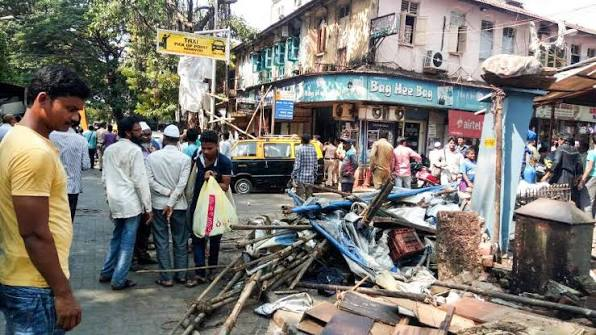
Modern city planning emphasizes complete streets that accommodate pedestrians, cyclists, public transport, and motorists in a balanced manner. Maintaining encroachment-free footpaths is one component of achieving this goal.
Smart city initiatives and infrastructure upgrades often include redesigned walkways, improved lighting, better drainage, and universal accessibility features.
Government agencies alone cannot ensure that public spaces remain accessible. Residents, business owners, and visitors all play an important role in respecting civic regulations.
Avoiding unauthorized occupation of public land, following municipal guidelines, and reporting safety hazards can collectively contribute to a cleaner and safer city.
Awareness campaigns and community participation also help build long-term support for maintaining public infrastructure.
As Mumbai continues to grow, protecting public infrastructure will remain a priority for civic authorities. Encroachment management, combined with improved urban planning, public transport expansion, and better pedestrian facilities, can help create a more efficient and livable city.
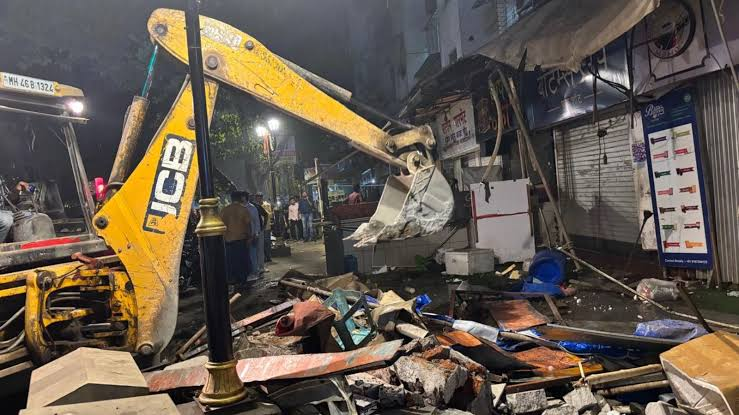
Regular maintenance of roads and footpaths, together with responsible use of public spaces, benefits everyone—from daily commuters and local businesses to tourists and emergency services.
Efficient management of public spaces is essential for any major metropolitan city. Efforts to reclaim footpaths and remove unauthorized structures highlight the ongoing focus on improving pedestrian safety, reducing congestion, and maintaining civic infrastructure. As Mumbai develops further, coordinated action by authorities and public cooperation will be key to ensuring that roads and footpaths remain safe, accessible, and functional for millions of residents every day.
Read Also : 5 Key Takeaways From the First Round of Iran-U.S. Talks That Could Reshape West Asia