

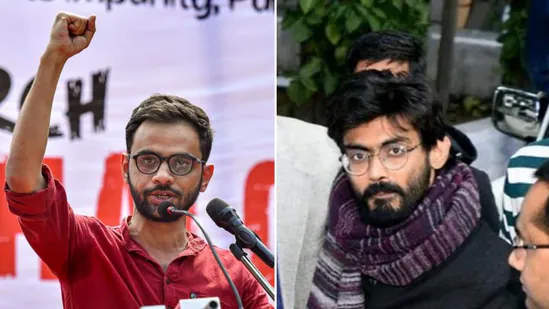
Delhi Riots Case LIVE: Supreme Court Rejects Bail for Sharjeel Imam & Umar Khalid, Grants Relief to 3 Others in 2020 Violence Case
Supreme Court denies bail to Sharjeel Imam and Umar Khalid in the 2020 Delhi riots case, while granting relief to other accused. Live updates
The Supreme Court on [LIVE hearing day] delivered a significant ruling in the 2020 Delhi riots case, denying bail to former JNU student Sharjeel Imam and activist Umar Khalid, two of the most prominent accused in the case. While rejecting their bail pleas, the apex court granted relief to some other accused individuals, marking a crucial moment in one of the most politically and legally sensitive cases in recent Indian history.
The decision comes amid ongoing scrutiny of the investigations, prolonged incarceration of the accused, and repeated debates over civil liberties, national security, and the interpretation of anti-terror laws such as the Unlawful Activities (Prevention) Act (UAPA).
The Delhi riots of February 2020 erupted in the national capital amid protests against the Citizenship Amendment Act (CAA). Over the course of several days, large-scale violence broke out in northeast Delhi, leading to the deaths of more than 50 people, injuries to hundreds, and extensive damage to public and private property.
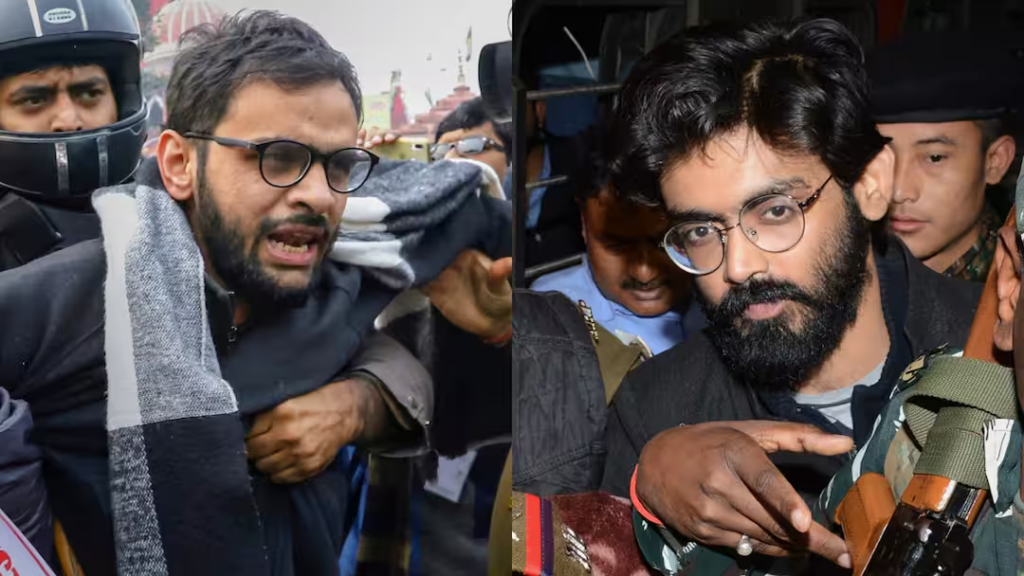
The violence triggered nationwide and international attention, prompting multiple investigations by the Delhi Police. Several activists, students, and political figures were later arrested under stringent provisions of the UAPA, with authorities alleging that the riots were part of a larger conspiracy rather than spontaneous violence.
Sharjeel Imam, a former JNU scholar, and Umar Khalid, a well-known student activist and former JNU leader, have been among the most high-profile accused in the case. Both have been in custody for several years, with their bail pleas repeatedly denied by lower courts.
The prosecution alleges that the two played a key role in mobilising protests and delivering speeches that, according to investigators, contributed to communal unrest. The accused, however, have consistently denied all charges, maintaining that their actions were within the bounds of democratic dissent and free speech.
During the hearing, a bench of the Supreme Court examined the bail pleas filed by Sharjeel Imam and Umar Khalid, alongside petitions from other accused seeking similar relief. The court considered arguments related to the length of incarceration, delay in trial proceedings, and the severity of charges invoked.
While acknowledging concerns about prolonged detention, the apex court held that prima facie material existed against Imam and Khalid that warranted continued custody at this stage. The bench observed that the seriousness of the allegations and the application of UAPA provisions required a cautious approach in granting bail.
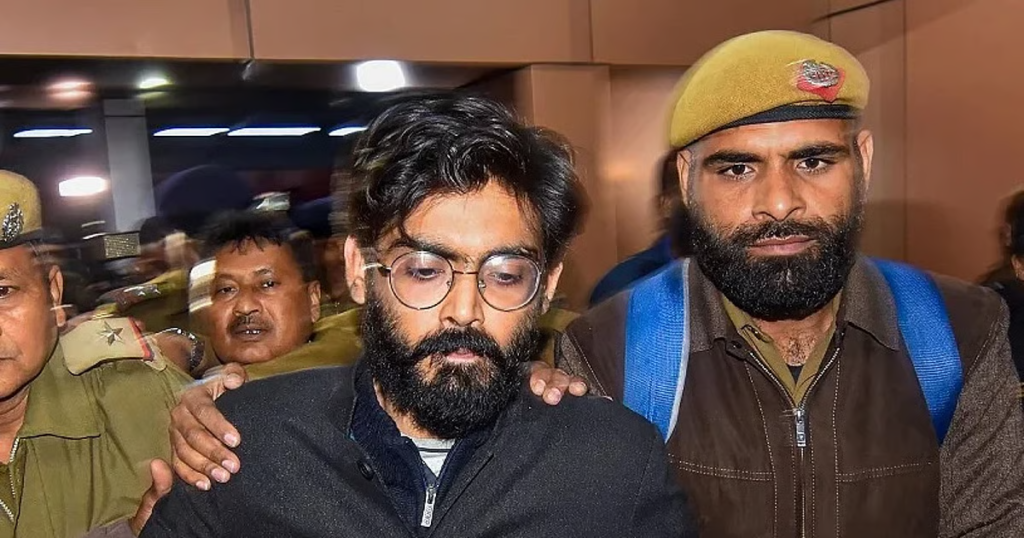
As a result, the court denied bail to Sharjeel Imam and Umar Khalid, dealing a major setback to their legal battle.
In contrast, the Supreme Court extended relief to some other accused in the case. Though the court did not grant blanket bail to all petitioners, it allowed conditional relief to certain individuals based on individual roles, evidence on record, and length of detention.
Legal experts note that this selective relief indicates the court’s attempt to strike a balance between safeguarding personal liberty and addressing national security concerns.
The case has reignited the broader debate around the use of UAPA, one of India’s most stringent anti-terror laws. Critics argue that the law makes bail extremely difficult, leading to long periods of incarceration even before a trial concludes.
Supporters of the law, however, maintain that UAPA is necessary to address serious threats to national security and public order, especially in cases involving alleged conspiracies and organised violence.
The Supreme Court has, in previous judgments, emphasised that bail is the rule and jail is the exception, but UAPA cases often fall into a legally complex category due to statutory restrictions.
Senior advocates appearing for Sharjeel Imam and Umar Khalid argued that:
- The accused have spent several years in jail without trial completion
- The evidence relied upon by the prosecution largely consists of speeches and digital material
- There is no direct link between the accused and acts of violence
The defence also cited constitutional protections related to free speech, dissent, and personal liberty, urging the court to consider bail on humanitarian and legal grounds.
The Delhi Police, represented by senior law officers, opposed the bail pleas, asserting that:
- The accused were part of a pre-planned conspiracy
- Their actions went beyond lawful protest
- Releasing them could impact the integrity of the ongoing trial
The prosecution argued that the seriousness of the allegations justified continued custody under UAPA.
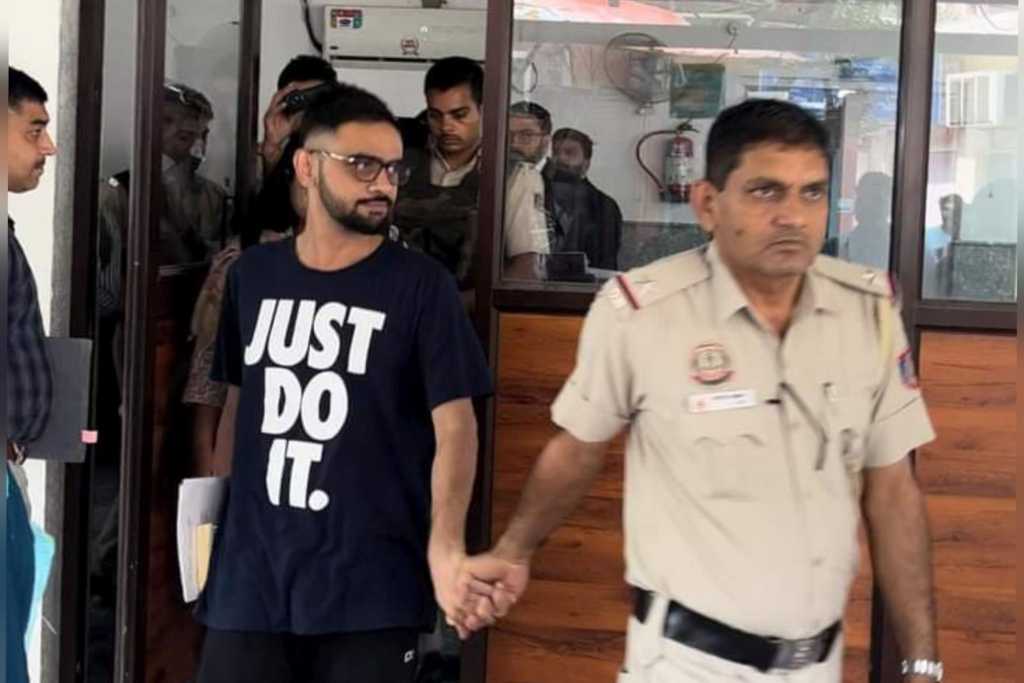
The Supreme Court’s decision has triggered sharp political reactions across the spectrum. Opposition leaders and civil rights groups expressed disappointment, calling for faster trials and judicial scrutiny of prolonged detentions.
On the other hand, ruling party leaders and supporters welcomed the verdict, stating that it reinforces the rule of law and sends a strong message against those accused of inciting violence.
Social media platforms witnessed intense debate, with hashtags related to the Delhi riots case trending soon after the verdict was pronounced.
With bail denied, Sharjeel Imam and Umar Khalid will remain in judicial custody as the trial continues. Legal experts suggest that the defence may:
- Seek expedited trial proceedings
- File fresh bail pleas at a later stage
- Challenge specific aspects of the evidence
Meanwhile, the Supreme Court’s observations are expected to influence how lower courts handle similar bail applications in UAPA cases.
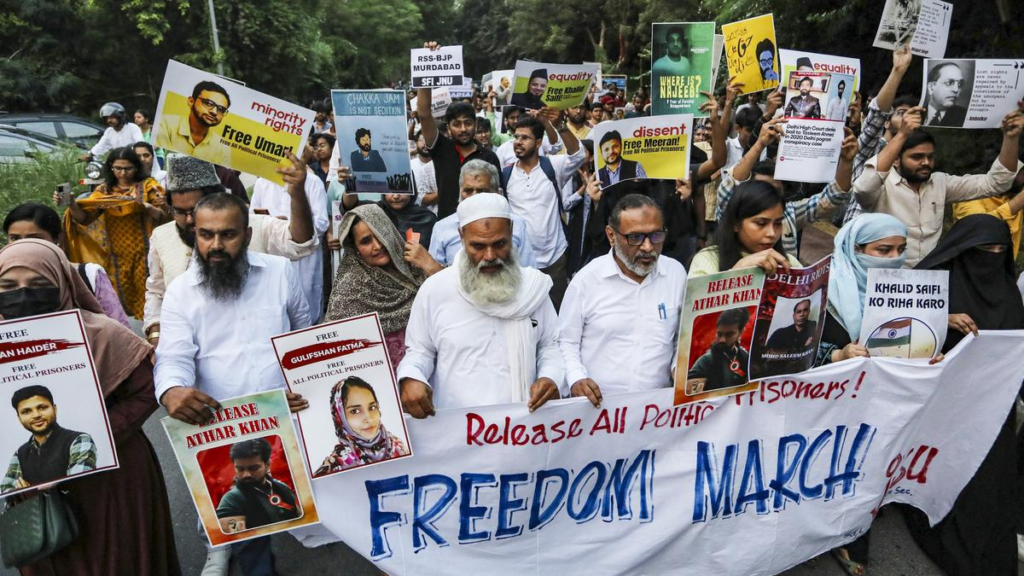
The ruling is significant not just for the accused but also for the larger legal and constitutional discourse in India. It highlights the ongoing tension between:
- National security and civil liberties
- State authority and individual rights
- Speedy justice and due process
As the 2020 Delhi riots case continues to unfold, the Supreme Court’s decision underscores the complexity of adjudicating cases that sit at the intersection of law, politics, and public sentiment.
Read Also : Buddha Air Scare: Flight With 55 Onboard Veers Off Runway During Landing in Nepal

