Pakistan’s ‘Double-Tap’ Border Strikes Kill 35, Including Children, in Shocking Afghanistan Attack
Get the latest updates on the Pakistan-Afghanistan border conflict as 35 people, including children, were reportedly killed in alleged “double-tap” strikes
A fresh wave of violence has intensified tensions between Pakistan and Afghanistan after Pakistani security forces carried out cross-border military operations targeting alleged militant hideouts near the Afghanistan border. The strikes have sparked international concern following allegations by Afghan authorities that civilians, including women and children, were among those killed.
According to the Taliban administration in Afghanistan, more than 35 people lost their lives and over 100 others were injured after what it described as “double-tap” airstrikes in eastern Afghanistan. Pakistan, however, maintains that its operation targeted militant infrastructure linked to groups responsible for recent terrorist attacks inside Pakistan and says dozens of militants were killed.
The conflicting narratives have once again highlighted the fragile security situation along the Pakistan-Afghanistan border, where cross-border violence has continued despite previous ceasefire efforts.
Military analysts describe a “double-tap” strike as an attack in which a second round of strikes is carried out shortly after an initial bombardment.
According to reports from Afghan authorities, the first wave of attacks hit residential areas and other locations in border districts. They allege that when residents and emergency responders rushed to help survivors, a second strike followed minutes later, causing additional casualties. Afghan officials condemned the tactic as an attack on civilians and rescuers.
Pakistan has not characterized its operation as a “double-tap” strike and instead says it conducted calibrated, intelligence-based operations against militant targets.
Pakistan’s government said the operation was launched in response to a series of militant attacks that recently struck various parts of the country.
According to Pakistani officials, intelligence identified hideouts belonging to the banned Tehrik-e-Taliban Pakistan (TTP) and affiliated groups operating near the Afghanistan border. Islamabad said its security forces conducted a ground operation followed by precision strikes on those locations.
Pakistan stated that the operation eliminated 29 militants and destroyed several militant facilities. Officials argued that the action was necessary to prevent further terrorist attacks inside Pakistan.
The Taliban administration rejected Pakistan’s account of the operation.
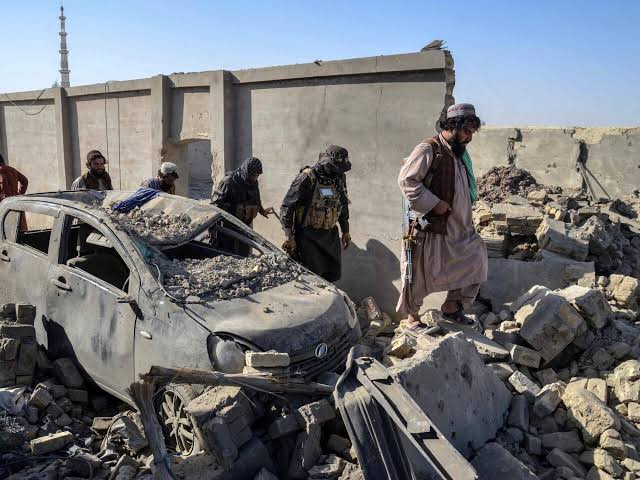
Afghan officials alleged that the strikes hit homes, mosques, and civilian neighborhoods in the eastern provinces of Paktika, Paktia, and Kunar.
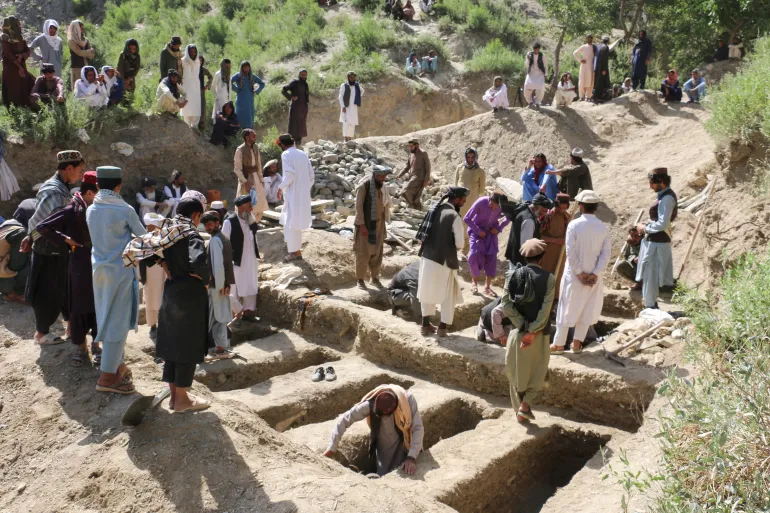
According to Taliban spokesperson Zabihullah Mujahid, the attacks killed dozens of civilians, including elderly people and young children, while injuring many others.
The Afghan government described the strikes as a violation of its sovereignty and condemned them as an act of aggression.
Witnesses quoted in media reports described panic as explosions struck villages during the night.
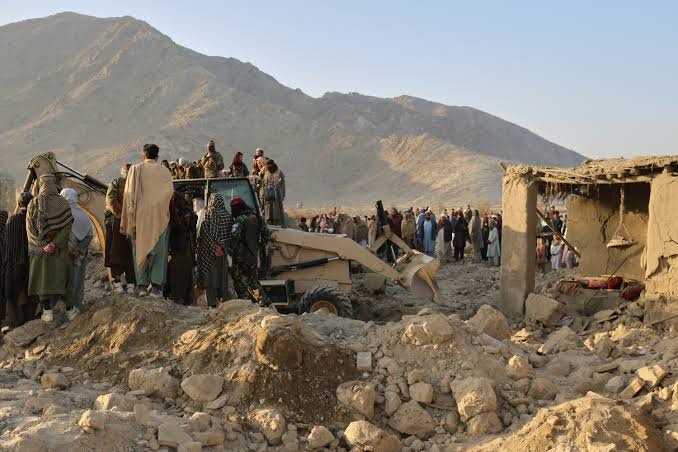
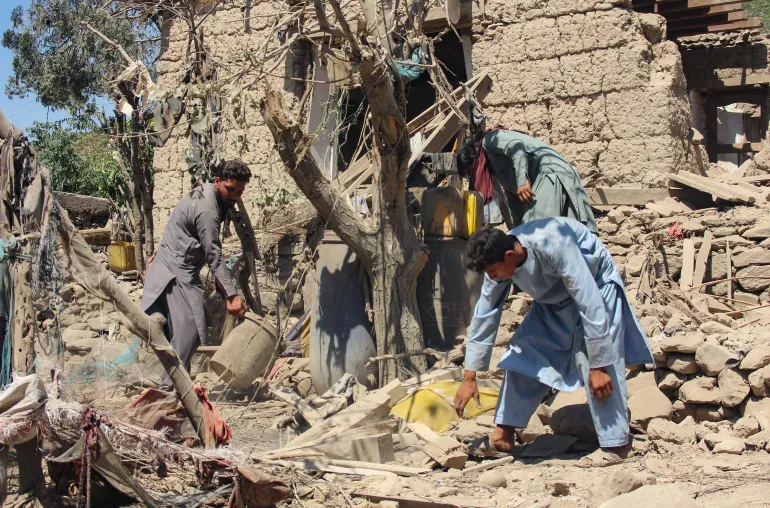
Residents said homes collapsed within seconds, trapping families beneath debris. Survivors claimed villagers rushed to rescue those trapped before additional explosions occurred.
Videos and photographs circulating on social media appeared to show damaged homes, destroyed buildings, and injured civilians. Because information from the conflict zone remains difficult to verify independently, casualty figures continue to differ between the two sides.
Pakistan has repeatedly accused Afghanistan of allowing militant organizations to operate from its territory.
Islamabad alleges that fighters from the Tehrik-e-Taliban Pakistan have used safe havens across the border to launch attacks against Pakistani security forces and civilians.
Pakistani authorities argue that recent deadly attacks in Khyber Pakhtunkhwa, Balochistan, and Karachi made military action necessary.
Afghanistan’s Taliban government has consistently denied providing sanctuary to anti-Pakistan militant groups and says Pakistan’s security problems are internal matters.
Relations between Pakistan and Afghanistan have remained strained for years.
The two countries disagree over border security, cross-border militant activity, and the status of the Durand Line.
Since the Taliban returned to power in Afghanistan in 2021, armed clashes along the frontier have become more frequent.
Although diplomatic efforts—including mediation by regional partners—have occasionally reduced tensions, violence has repeatedly resumed following militant attacks or military operations.
Human rights organizations and humanitarian observers have expressed concern about the impact of cross-border military operations on civilians.
Aid agencies note that communities living near the border often face displacement, destruction of property, interrupted access to healthcare, and damage to schools and local infrastructure.
International humanitarian law requires parties to armed conflicts to distinguish between military objectives and civilians and to take precautions to minimize civilian harm.
The latest violence has drawn attention from regional and international observers.
Several governments have urged restraint and called on both Pakistan and Afghanistan to resolve their disputes through dialogue rather than military escalation.
Analysts warn that continued cross-border operations risk increasing instability in a region already affected by terrorism, displacement, and humanitarian challenges.
The escalation could have wider consequences for South Asian security.
Pakistan continues to face attacks by militant groups operating near its western border, while Afghanistan seeks international recognition and economic recovery after years of conflict.
Persistent military confrontations threaten trade, border crossings, humanitarian access, and regional cooperation.
Security experts believe both countries have strong incentives to strengthen intelligence cooperation and communication mechanisms to prevent further escalation.
Diplomatic engagement is expected to continue despite rising tensions.
Regional organizations and neighboring countries are likely to encourage renewed dialogue aimed at reducing border violence.
Analysts argue that sustainable peace will require addressing security concerns while also protecting civilians and rebuilding trust between the two governments.
Read Also : Venezuela Earthquake Horror: 4 Days Later, 50,000 Still Missing as Death Toll Climbs to 920