How the Palestine Conflict is Fueling Mukesh Ambani’s $10 Billion Cola Dream — India’s Next Big Beverage War Begins
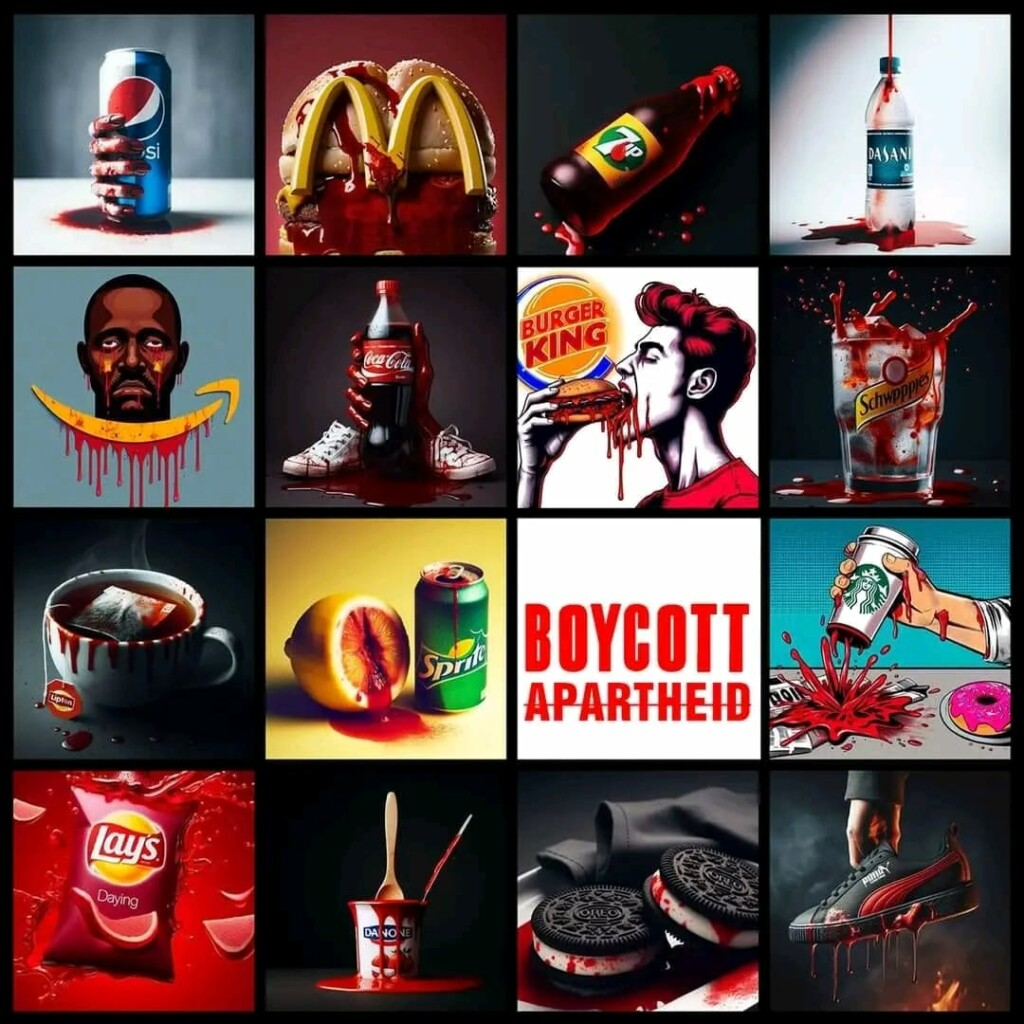
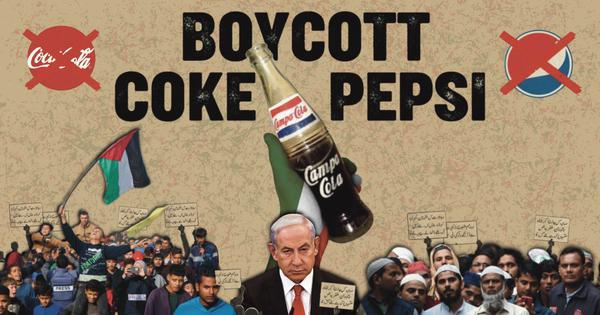
In Muslim localities across several Indian cities, the boycott of American colas has provided a shot in the arm for the Reliance-owned Campa
“Can you help me become a Campa distributor?” Ramesh Singh asked this reporter eagerly. Singh is a salesperson for Coca-Cola’s bottling partner, Enrich Agro Food Products Private Limited, in South East Delhi. Like in most countries across the world, Coca-Cola and Pepsi, two American brands, dominate the carbonated soft drink market in India, controlling more than 90% of revenues.
Of late, however, they are facing a rare challenge: a local brand is weaning away their customers. For the past two years, Reliance’s Campa Cola has eaten into the market share of these American cola giants. At Reliance’s annual general meeting in August, the company claimed Campa Cola now holds “double-digit market share across many states, breaking a 30-year MNC [Multinational Corporation] duopoly”.
In a dramatic twist linking Middle East geopolitics with India’s consumer market, Mukesh Ambani’s Reliance Industries is reportedly capitalizing on the Palestine-Israel conflict to fuel its multi-billion-dollar cola ambitions. As global beverage giants like Coca-Cola and PepsiCo face supply chain disruptions and cost pressures due to the ongoing regional instability, Ambani’s “Indigenous Cola Revolution” appears to be gaining speed.
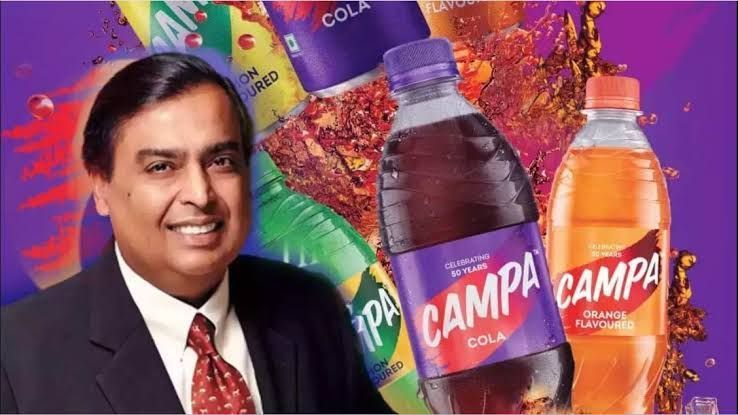
According to business insiders, Reliance is positioning its beverage brand “Campa Cola”—revived under the Reliance Consumer Products Limited (RCPL) arm—as a homegrown challenger to Western soft drink giants. What began as a nostalgic revival is now turning into a $10 billion strategic play, targeting a market expected to touch $30 billion by 2030.
The Palestine conflict, which has intensified tensions across the Middle East, is having ripple effects on energy prices, logistics, and raw material supply chains. These disruptions are directly impacting multinational beverage makers that depend heavily on imported ingredients and packaging materials sourced from the region.
Ambani’s Reliance, with its vertically integrated ecosystem—from petrochemicals and packaging to retail and distribution—finds itself uniquely positioned to dominate the domestic market amid these global challenges. By localizing production and leveraging India’s vast retail network of over 18,000 Reliance Smart and JioMart outlets, Ambani is reducing foreign dependency while boosting national manufacturing.
Campa Cola, once a beloved Indian soft drink of the 1980s, was relaunched by Reliance in 2023 after its acquisition from Pure Drinks Group. Initially seen as a nostalgia-driven move, the beverage line has rapidly evolved into a strategic national brand—symbolizing Atmanirbhar Bharat (self-reliant India).
Reliance has since expanded the product range, including Campa Cola, Campa Lemon, and Campa Orange, targeting both urban and tier-2 markets. According to industry estimates, Campa’s market share could hit 8% by 2026, eating into Pepsi’s dominance in several northern Indian states.
Experts say the ongoing Middle East instability is inadvertently strengthening Ambani’s domestic edge. With global brands facing import inflation, supply chain delays, and rising transport costs, Reliance is quietly building local sourcing partnerships and bottling networks across Gujarat, Maharashtra, and Uttar Pradesh.
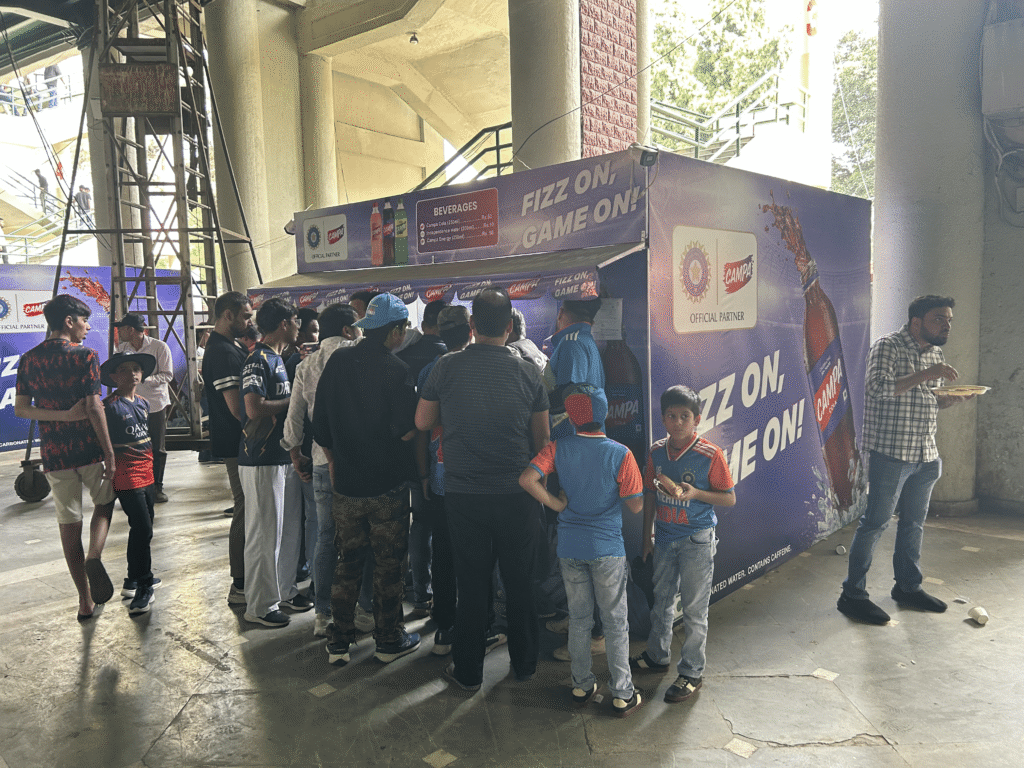
Analysts predict that Ambani’s beverage venture could soon be valued at over $10 billion, making it India’s largest homegrown FMCG beverage brand. Moreover, Reliance Retail’s unparalleled distribution network offers a competitive advantage no foreign brand can easily replicate.
Beyond business, this move signals a larger geopolitical and economic transformation. As Western corporations navigate instability linked to conflicts like Palestine-Israel, India’s industrial giants are turning these disruptions into strategic national gains.
Ambani’s entry into the cola market is more than just a business expansion—it’s a statement of economic sovereignty. Campa Cola’s rise represents India’s ability to turn global chaos into domestic opportunity, a narrative that resonates deeply with today’s consumer sentiment.
With festive demand surging and global brands struggling to stabilize operations, 2025 may well mark the beginning of India’s “Cola Cold War”—a high-stakes battle for dominance between Reliance’s Campa and global giants Pepsi and Coke.