

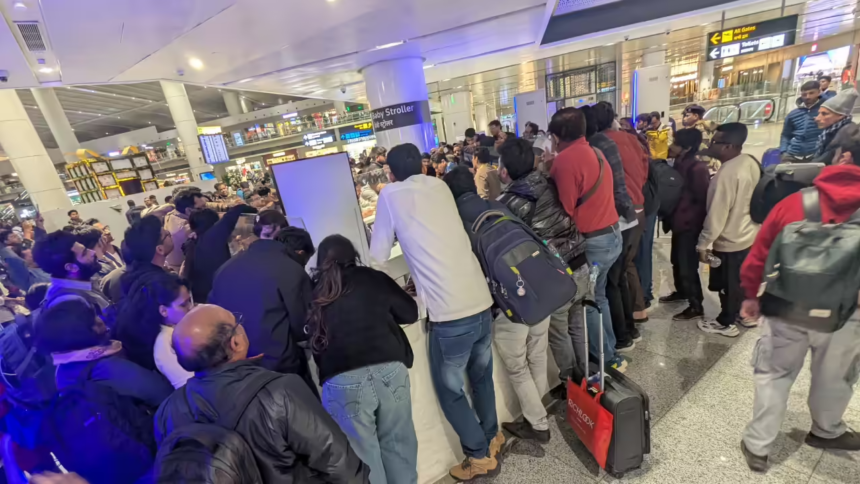
DGCA Probe Complete: 7 Key Findings in IndiGo Fiasco, ‘Exemplary’ Action Now Likely
DGCA has submitted its probe report into the IndiGo fiasco, flagging serious lapses. Sources say ‘exemplary’ regulatory action may follow
India’s civil aviation regulator, the Directorate General of Civil Aviation (DGCA), has submitted its long-awaited probe report into the IndiGo fiasco, a development that could mark a turning point in how aviation safety violations are handled in the country. According to official sources, the findings point to serious lapses, and “exemplary” regulatory action is now being actively considered.
The submission of the report has reignited public debate around airline accountability, passenger safety, and regulatory oversight, especially as India’s aviation sector continues to expand at a record pace.
The controversy surrounding IndiGo erupted after a series of incidents raised questions about operational discipline, safety compliance, and internal protocols at the country’s largest airline by market share.
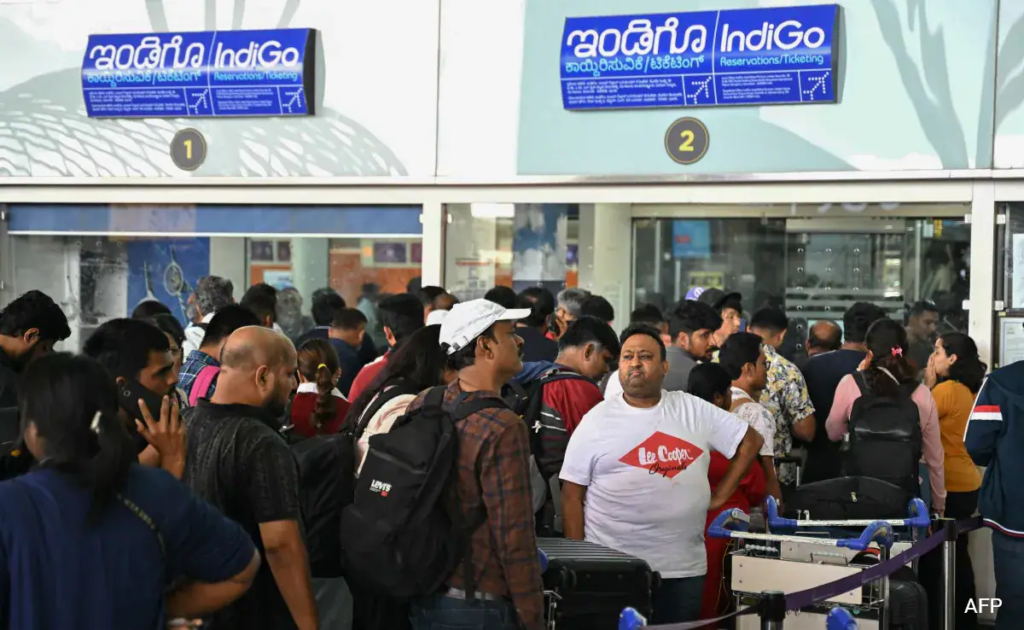
While IndiGo has long been regarded as a model low-cost carrier known for punctuality and efficiency, recent events exposed cracks in that image. Complaints, internal reports, and whistleblower accounts prompted the DGCA to launch a detailed probe to assess whether safety norms were being compromised.
The regulator’s investigation reportedly focused on multiple dimensions, including aircraft operations, crew conduct, compliance with standard operating procedures (SOPs), and the airline’s internal oversight mechanisms.
Sources familiar with the matter say the DGCA conducted a multi-layered investigation, involving document reviews, crew interviews, technical audits, and compliance checks.
The regulator examined:
- Flight operation records
- Crew training and rostering practices
- Maintenance and safety documentation
- Incident reporting mechanisms
- Decision-making during operational disruptions
The probe was not limited to a single incident but aimed to identify systemic issues that could pose risks if left unaddressed.
Aviation experts note that such wide-ranging probes are rare and usually signal regulatory concern at a structural level rather than an isolated lapse.
While the DGCA has not officially released the full contents of the report, sources indicate that the findings highlight multiple violations and procedural shortcomings.
Among the issues reportedly flagged are:
- Deviations from approved operational protocols
- Inadequate internal checks and balances
- Gaps in crew compliance and accountability
- Delays or deficiencies in incident reporting
- Lapses in enforcing safety culture at certain operational levels
Officials reportedly described some of these lapses as “avoidable” and “concerning”, especially given IndiGo’s scale of operations and influence within the aviation ecosystem.
The phrase “exemplary action”, frequently used by regulators, typically refers to measures intended not just to penalise, but also to deter future violations — both by the airline in question and the wider industry.
Such action could include:
- Monetary penalties
- Restrictions on specific operations
- Mandatory corrective action plans
- Enhanced surveillance and audits
- Accountability measures against responsible officials
In extreme cases, regulators can also suspend approvals or curtail expansion plans, though such steps are usually taken only after repeated non-compliance.
Sources suggest that the DGCA is keen to send a strong signal that scale and market dominance do not place any airline above safety norms.
India is currently one of the fastest-growing aviation markets in the world, with rising passenger numbers, rapid fleet expansion, and new airports coming online.
In such an environment, regulators face the dual challenge of enabling growth while ensuring safety is not compromised. The IndiGo probe is being seen as a litmus test for the DGCA’s ability to assert authority over even the biggest players.
Aviation analysts say strong enforcement is essential to maintain public trust, especially as more first-time flyers take to the skies.
IndiGo has maintained that it fully cooperated with the DGCA throughout the investigation. In earlier statements related to the issue, the airline emphasised its commitment to safety, compliance, and regulatory transparency.
The airline has also reportedly initiated internal reviews and corrective measures, even before the submission of the final report. However, industry insiders say the DGCA will independently assess whether these steps are sufficient or merely reactive.
IndiGo is yet to issue a detailed public response specifically addressing the probe’s conclusions.
The aviation industry’s reaction has been mixed. While some stakeholders argue that increased scrutiny is necessary, others warn against excessive regulatory action that could disrupt operations in an already stretched sector.
Former aviation officials, however, stress that safety enforcement cannot be compromised for commercial convenience. They point out that timely intervention often prevents more serious incidents down the line.
Passenger advocacy groups have welcomed the probe, calling it a positive step toward transparency and accountability.
The IndiGo probe is part of a broader pattern of tightened regulatory oversight in recent years. The DGCA has stepped up audits, surprise inspections, and enforcement actions across multiple airlines.
This shift reflects growing awareness that rapid expansion must be accompanied by equally robust safety mechanisms.
Experts believe the regulator is attempting to move away from a reactive approach toward a more proactive, preventive model of aviation safety governance.
With the probe report now submitted, the ball is firmly in the DGCA’s court. The regulator is expected to:
- Review the findings internally
- Issue show-cause notices if required
- Seek explanations from the airline
- Announce penalties or corrective directives
Any action taken will likely be closely watched not just by airlines, but also by global aviation bodies and investors.
The timeline for the final decision remains unclear, but sources indicate that the process is being fast-tracked to avoid prolonged uncertainty.
For passengers, the developments serve as a reminder that aviation safety is a continuous process, not a one-time certification.
While there is no indication that flights are currently unsafe, regulators emphasise that enforcing compliance at early stages helps prevent larger risks.
Passengers are unlikely to face immediate disruptions, but stricter oversight could lead to operational adjustments behind the scenes.
The DGCA’s handling of the IndiGo fiasco could set a precedent for how future safety violations are addressed in India’s aviation sector.
If strong action is taken, it may reassure the public that regulators are willing to act decisively, regardless of an airline’s size or influence. Conversely, a softer approach could raise questions about enforcement consistency.
For now, all eyes remain on the DGCA as the industry awaits its next move.
Read Also : Hrithik Roshan, GF Saba Azad Join Sussanne Khan’s Christmas Bash, Internet Can’t Get Enough”

