Shocking Twist: 7 Explosive Moments as Akanksha Choudhary Threatens to Destroy Shreya Kalra’s Career After Lock Upp 2 Injury
Discover the shocking Lock Upp 2 controversy as Akanksha Choudhary allegedly threatens to destroy Shreya Kalra’s career after a forehead injury
A heated exchange involving Akanksha Choudhary and Shreya Kalra has become one of the most talked-about moments from Lock Upp 2, generating widespread discussion across social media and entertainment circles. The controversy emerged after reports suggested that tensions escalated following an incident in which Shreya Kalra reportedly sustained a forehead injury during activities connected to the reality show. Since then, clips, fan posts, and commentary surrounding the alleged confrontation have gone viral, leaving viewers sharply divided over what actually happened and who was at fault.
Reality television thrives on high emotions, unexpected twists, and strong personalities, and Lock Upp 2 has consistently delivered all three. The latest dispute has added another dramatic chapter to the season, with supporters of both contestants passionately defending their favorites. While many online users have expressed concern over the reported injury, others have urged caution, noting that edited television footage and social media snippets do not always provide the full context of an incident.

According to discussions circulating online, the controversy began after a task or confrontation inside the Lock Upp 2 environment allegedly resulted in Shreya Kalra suffering a minor injury to her forehead. Reports indicate that emotions ran high afterward, and statements attributed to Akanksha Choudhary were interpreted by some viewers as a strong warning directed at Shreya. The alleged remarks quickly became a trending topic, with hashtags related to both contestants appearing across multiple social media platforms.
Neither the full sequence of events nor all behind-the-scenes details have been independently verified in the public domain, which has contributed to speculation. Fans have been analyzing available footage frame by frame, attempting to determine exactly what occurred and whether the reaction from either contestant was justified.
As soon as the controversy gained attention, social media users began sharing clips, screenshots, and opinions at a rapid pace. Supporters of Akanksha argued that reality shows often create stressful situations that can lead to emotional outbursts. They believe that viewers should wait for complete information before drawing conclusions.
On the other hand, supporters of Shreya expressed sympathy over the reported injury and called for greater accountability during competitive tasks. Some users argued that contestants should maintain boundaries even during intense arguments, while others emphasized that safety should remain a top priority in reality programming.
The debate soon expanded beyond the two contestants themselves. Entertainment bloggers, fan pages, and online commentators weighed in, discussing whether reality shows sometimes encourage confrontational behavior in pursuit of dramatic content. The incident became a broader conversation about how audiences interpret conflict on television and how quickly opinions can form based on short viral clips.

One reason the controversy has attracted so much attention is that it highlights the immense pressure faced by reality show participants. Contestants live in a highly controlled environment, often with limited privacy, constant surveillance, and competitive challenges designed to test their patience and emotions. Under such circumstances, disagreements can escalate more quickly than they might in ordinary situations.
Former reality show participants have frequently spoken about the psychological strain that comes with continuous filming, public scrutiny, and the fear of elimination. Viewers see only selected portions of daily interactions, while contestants experience the full intensity of the environment around the clock. This context has led some observers to caution against making definitive judgments without understanding the complete situation.
Several factors contributed to the controversy spreading rapidly online:
- Strong personalities: Both Akanksha Choudhary and Shreya Kalra have established fan followings, which naturally intensified public interest.
- Visual impact: Reports of a visible forehead injury immediately drew attention and prompted emotional reactions from viewers.
- Alleged verbal confrontation: Statements attributed to Akanksha were interpreted by some fans as unusually aggressive, making the story more sensational.
- Social media algorithms: Viral clips, reaction videos, and hashtags helped the controversy reach audiences far beyond regular viewers of the show.
- Ongoing rivalry narratives: Reality programs often build storylines around competing contestants, and fans tend to view new incidents through the lens of existing rivalries.
These elements combined to create a perfect storm of online engagement, with discussions continuing for days after the incident first surfaced.
While no major official statement has completely resolved the matter, several entertainment commentators have noted that controversies of this nature are not uncommon in competitive reality television. Industry observers point out that dramatic conflicts frequently become defining moments of a season because they generate conversation, increase viewership, and keep audiences emotionally invested.
However, some commentators have also stressed the importance of responsible reporting. They argue that allegations, threats, or accusations should not be treated as confirmed facts unless verified by official sources or clear evidence. This distinction has become increasingly important in an era when social media discussions can sometimes move faster than confirmed information.
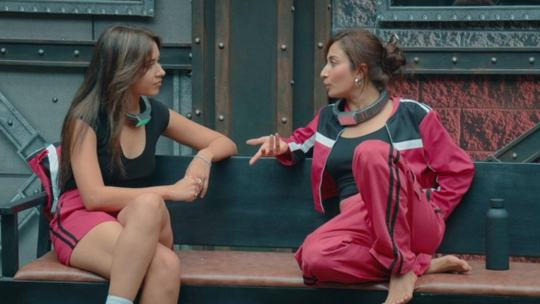
For Akanksha Choudhary and Shreya Kalra, the controversy has brought both heightened visibility and intense scrutiny. Every public appearance, social media post, and interaction is now being closely examined by fans and entertainment media. Such attention can significantly influence a contestant’s public image, regardless of whether the controversy is eventually clarified or resolved.
Reality show participants often experience rapid swings in public perception. A contestant who is criticized one week may receive overwhelming support the next, depending on new episodes, additional footage, or changing fan sentiment. Because of this, many observers believe it is too early to predict the long-term impact of the incident on either contestant’s reputation.
At present, audiences are looking for several key developments:
- A clearer explanation of how the reported injury occurred.
- Any official clarification from the show’s producers or management.
- Responses from Akanksha Choudhary and Shreya Kalra themselves.
- Additional footage or context that may help viewers understand the sequence of events.
- Whether the controversy affects future tasks, nominations, or relationships inside the show.
Until more information becomes available, discussions are likely to continue, especially as new episodes air and contestants react to the growing public attention.
The strongest takeaway from the controversy is how deeply divided the audience has become. Some viewers believe Akanksha has been unfairly targeted based on incomplete information, while others feel that Shreya deserves greater support following the reported injury. Between these two positions is a large group of viewers who simply want verified facts before choosing sides.
This division reflects a broader trend in reality television fandom, where audiences often form strong emotional connections with contestants. Once those loyalties are established, even minor incidents can quickly become major debates. In the case of Lock Upp 2, the disagreement between supporters of Akanksha and Shreya has become almost as significant as the original incident itself.
Beyond the immediate controversy, the incident has revived discussions about how reality programs handle conflict. Critics argue that producers should ensure stronger safety measures during physically demanding tasks and provide clearer guidelines for contestant behavior. Supporters of the format counter that competition and emotional intensity are central to the appeal of reality television and that occasional disputes are inevitable.
Regardless of where viewers stand, the episode has highlighted the delicate balance between entertainment and responsibility. As reality shows continue to dominate streaming platforms and television ratings, incidents involving contestant safety and interpersonal conflict are likely to receive even greater public attention in the future.
Read Also : Australia-India Uranium Deal: 7 Powerful Takeaways From PM Modi’s Historic Visit