Shocking Sharia Punishment: Indonesian Woman Receives 140 Lashes for Sex Outside Marriage & Alcohol Use in 2026
An Indonesian woman is sentenced to 140 lashes under Sharia law for sex outside marriage and alcohol use. The controversial punishment sparks international outrage and human rights debates in 2026
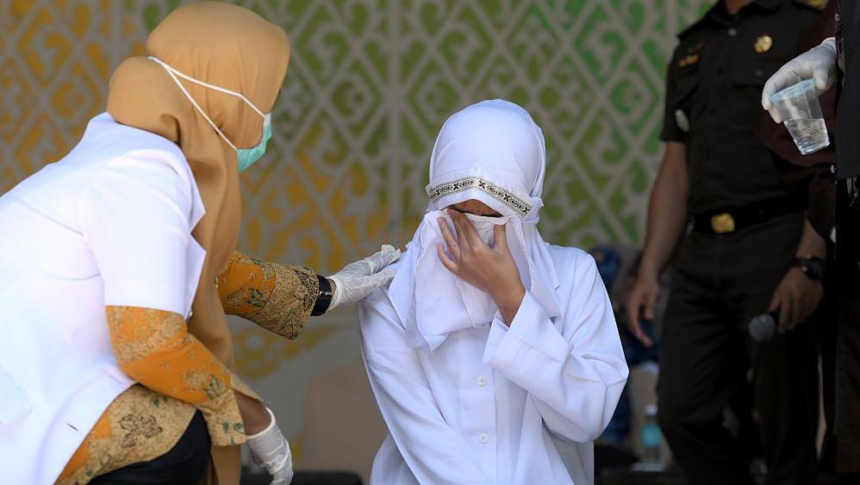
Indonesia — In a case that has ignited international attention and widespread condemnation, an Indonesian woman was sentenced to 140 lashes under Sharia law for engaging in sex outside marriage and consuming alcohol. The severe punishment, carried out in a public setting, has sparked intense human rights debates, global outrage, and protests by activists calling for reform.
The case highlights the ongoing tension between religious law enforcement, gender rights, and modern human rights standards in Indonesia, one of the world’s largest Muslim-majority nations.

The woman, whose identity has been withheld for privacy reasons, was convicted by a Sharia court in Aceh, Indonesia’s only province implementing strict Islamic law.
Details of the Punishment:
- Crime: Sex outside marriage (zina) and alcohol consumption
- Sentence: 140 lashes, administered publicly
- Location: Aceh province, known for stringent Sharia law enforcement
- Method: Cane strikes delivered under official supervision
- Date: Early 2026, exact day withheld due to ongoing controversy
Eyewitnesses described the punishment as harrowing and intense, with authorities enforcing strict protocols to maintain order during the public execution.
The case has drawn global condemnation for multiple reasons:
- Severity of Punishment: 140 lashes is considered extreme and physically harmful, raising questions about compliance with international human rights norms.
- Gender Concerns: Women are disproportionately affected under some interpretations of Sharia law, igniting debates about gender inequality.
- Human Rights Violations: Global human rights organizations argue that corporal punishment for personal choices violates basic human rights and dignity.
- International Outcry: Social media platforms and international news outlets have circulated the story widely, prompting reactions from activists, diplomats, and global citizens.
Aceh province is unique in Indonesia for applying strict Sharia law, including corporal punishment for crimes like adultery, alcohol consumption, gambling, and theft.
Key Facts About Sharia Law in Aceh:
- Legal Basis: Regional implementation under Indonesian law allowing provincial autonomy
- Punishments: Caning, fines, imprisonment, and public shaming
- Administration: Conducted under supervision of religious authorities and local police
- Controversy: Many human rights groups question the proportionality and morality of public corporal punishment
Authorities in Aceh defend the laws as upholding Islamic moral standards, while critics argue that such measures are outdated, inhumane, and internationally unacceptable.
International organizations have swiftly condemned the case:
- Amnesty International: Called the punishment “barbaric and a violation of fundamental human rights.”
- Human Rights Watch: Urged the Indonesian government to end corporal punishment and protect women from discriminatory laws.
- United Nations: Expressed concern that the case may violate international treaties on human rights and gender equality.
Social media campaigns under hashtags like #StopShariaLashing, #HumanRights, and #AcehWomen have gone viral, reflecting the global awareness and outrage sparked by the incident.
Within Indonesia, reactions are mixed:
Supporters of Sharia Law:
- Argue that enforcement of Islamic principles is a matter of religious freedom and local governance
- Emphasize that laws are transparent and culturally contextual
- Claim that punishments deter moral transgressions and maintain social order
Opponents of Corporal Punishment:
- Highlight the inhumanity of public caning
- Argue for gender-sensitive reforms and alternative legal measures
- Call for greater alignment with international human rights standards
The divide reflects the ongoing tension between conservative religious practices and modern human rights advocacy in the region.
Corporal punishment, especially caning 140 times, can have severe consequences:
- Physical injuries: Lacerations, bleeding, scarring, and long-term muscle damage
- Psychological trauma: Anxiety, PTSD, and long-lasting fear
- Social stigma: Public punishment often leads to community ostracism and mental health challenges
Doctors and human rights experts emphasize that the punishment far exceeds rehabilitative or deterrent goals and is largely retributive and harmful.
Several countries and international bodies have weighed in:
- European Union: Issued a statement urging Indonesia to reconsider corporal punishment under Sharia law
- United States: Expressed concern about the treatment of women and encouraged reforms
- ASEAN: Called for dialogue respecting cultural norms while upholding human rights
Diplomatic pressure is mounting on Indonesia, balancing sovereignty, cultural laws, and international human rights obligations.

Several organizations are actively campaigning for change in Aceh:
- Women’s Rights NGOs: Providing legal support, counseling, and advocacy for victims of corporal punishment
- Human Rights Coalitions: Launching awareness campaigns, petitions, and media coverage
- Global Activists: Leveraging social media to pressure governments and raise public awareness
These groups aim to reduce the use of corporal punishment, protect vulnerable women, and push for legislative reform.
Aceh’s use of public caning is not new:
- First implemented decades ago as a provincial law aligned with Islamic teachings
- Targets offenses such as gambling, adultery, alcohol consumption, and moral violations
- Controversial cases have occurred previously, sparking periodic global outrage
- Women, particularly, are often highly visible in enforcement cases, drawing criticism of gender bias
Despite repeated protests, the law continues to be enforced, highlighting the clash between tradition and modern legal principles.
The incident has highlighted critical gender issues in Aceh and Indonesia:
- Women face stricter scrutiny and harsher punishments under some interpretations of Sharia law
- Corporal punishment disproportionately affects female dignity, social freedom, and personal autonomy
- Activists argue for gender-sensitive reform, equal legal protection, and access to justice
Many observers hope that international attention can accelerate reforms protecting women from harsh, discriminatory laws.

The case has prompted discussions about:
- Provincial autonomy vs. national law in Indonesia
- Alignment of Sharia law with Indonesia’s human rights commitments
- International scrutiny affecting foreign relations and diplomacy
- Calls for legal reform to reduce or eliminate corporal punishment
Lawmakers and human rights groups are now under pressure to reassess the balance between religious law and universal human rights principles.
Media coverage and social media campaigns have amplified the story, leading to:
- Increased global scrutiny of Aceh’s legal system
- Viral discussions on human rights platforms
- Greater awareness of women’s legal vulnerabilities under Sharia law
The case underscores the power of digital media in exposing human rights violations and mobilizing global advocacy.