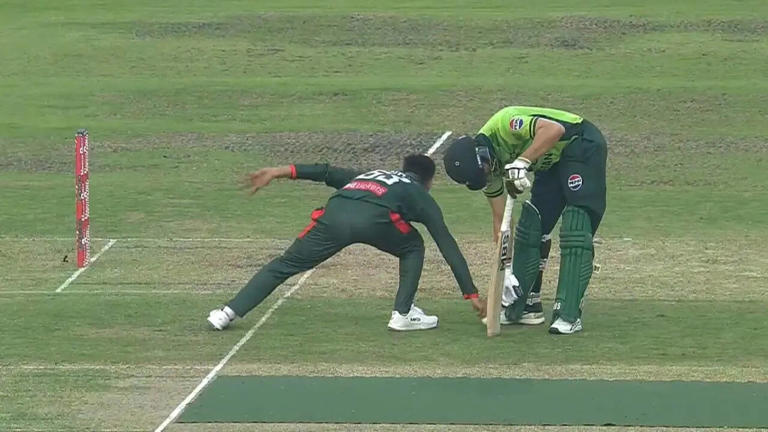
5 Explosive Reactions After Salman Agha’s Run-Out as Mohammad Kaif and Basit Ali Ignite IND-PAK Debate
A dramatic run-out involving Salman Agha sparks a heated IND-PAK cricket debate, with Mohammad Kaif expressing fury while Basit Ali criticizes the batter, igniting intense reactions across fans and experts
Cricket rivalries rarely need an extra spark, especially when it comes to the intense sporting relationship between India and Pakistan. However, a dramatic run-out involving Salman Agha recently triggered a heated debate among former cricketers, analysts, and fans from both sides of the border. The moment quickly went viral, sparking strong reactions from well-known cricket personalities including Mohammad Kaif and Basit Ali.
The controversial incident not only highlighted the intense pressure of international cricket but also reignited discussions about game awareness, communication between batters, and the broader “spirit of cricket.”
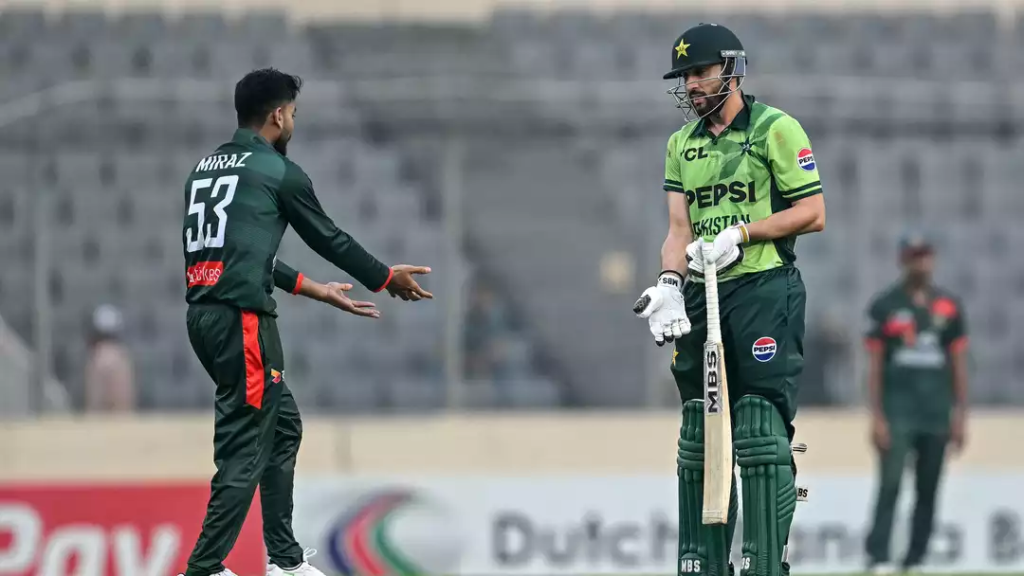
Below is a detailed look at what happened, why it became such a major talking point, and how experts and fans reacted.
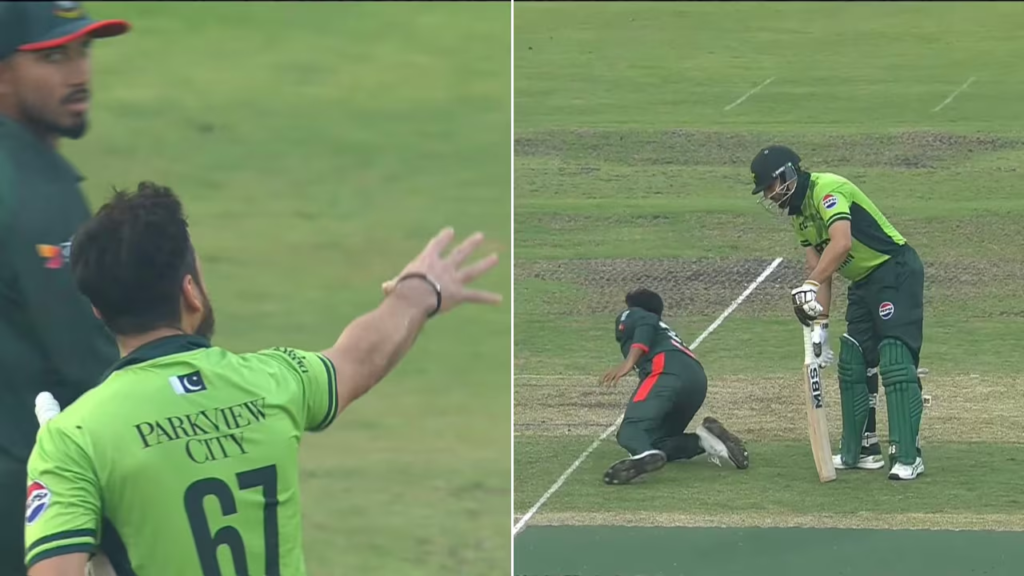
During a crucial phase of the match, Pakistan batter Salman Agha found himself at the center of controversy after a run-out that many observers described as avoidable.
A mix-up between the two batters resulted in hesitation midway through the pitch. As the fielding side quickly reacted and threw the ball toward the stumps, Agha was caught short of his crease, leading to a costly dismissal.
Run-outs are often among the most frustrating ways for a batter to lose his wicket. They usually occur due to miscommunication, poor judgment, or lack of awareness between partners at the crease.
In this case, the timing of the dismissal proved particularly damaging because Pakistan was trying to build momentum in the innings.
Within minutes of the incident, video clips of the run-out spread rapidly across social media platforms, prompting widespread debate.
Former Indian cricketer Mohammad Kaif, known for his sharp fielding skills and tactical understanding of the game, was among the first high-profile voices to react to the incident.
Kaif expressed frustration over the manner of the dismissal, suggesting that better communication between the batters could have easily prevented the run-out.
Drawing from his own experience as an international cricketer, Kaif emphasized that running between the wickets is a fundamental aspect of batting that requires discipline and constant awareness.
He pointed out that even experienced players can make mistakes under pressure but stressed that such lapses often prove costly in competitive matches.
Kaif’s comments quickly attracted attention among Indian cricket fans, many of whom echoed his view that the dismissal reflected poor judgment at a critical moment.
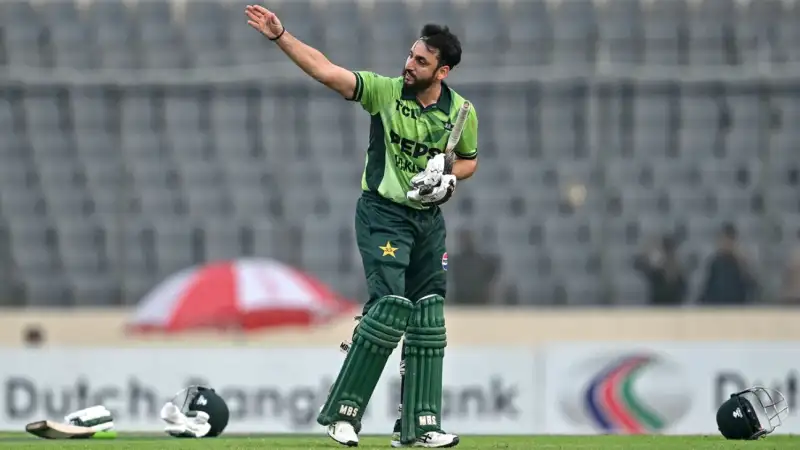
While Kaif focused on the technical aspects of the run-out, former Pakistan cricketer Basit Ali took a far more direct approach in his criticism.
Basit Ali did not hesitate to question the decision-making of the batter, suggesting that the run-out was avoidable and reflected a lack of awareness in the middle.
Known for his outspoken opinions on cricket matters, Basit Ali has frequently criticized players when he believes they fail to meet professional standards.
In this instance, he argued that better communication between the batting pair could have prevented the incident and helped maintain Pakistan’s momentum in the match.
His blunt comments sparked debate among Pakistani fans, with some agreeing with his assessment while others defended the player, arguing that such mistakes are part of the game.
Among all forms of dismissal in cricket, run-outs tend to attract particularly strong reactions from fans and analysts.
Unlike wickets caused by exceptional bowling or fielding brilliance, run-outs are often seen as preventable mistakes.
They usually involve:
- Miscommunication between batters
- Hesitation during a run
- Poor judgment about fielders’ positions
- Overconfidence while attempting risky singles
Because of this, run-outs are frequently described as “gifted wickets” that give the opposition an advantage.
In high-pressure international matches, such moments can change the course of the game.
The incident quickly became one of the most discussed cricket moments online. Fans from both India and Pakistan flooded social media with their opinions, memes, and analysis.
Indian fans largely supported Mohammad Kaif’s criticism, emphasizing the importance of discipline and communication between batters.
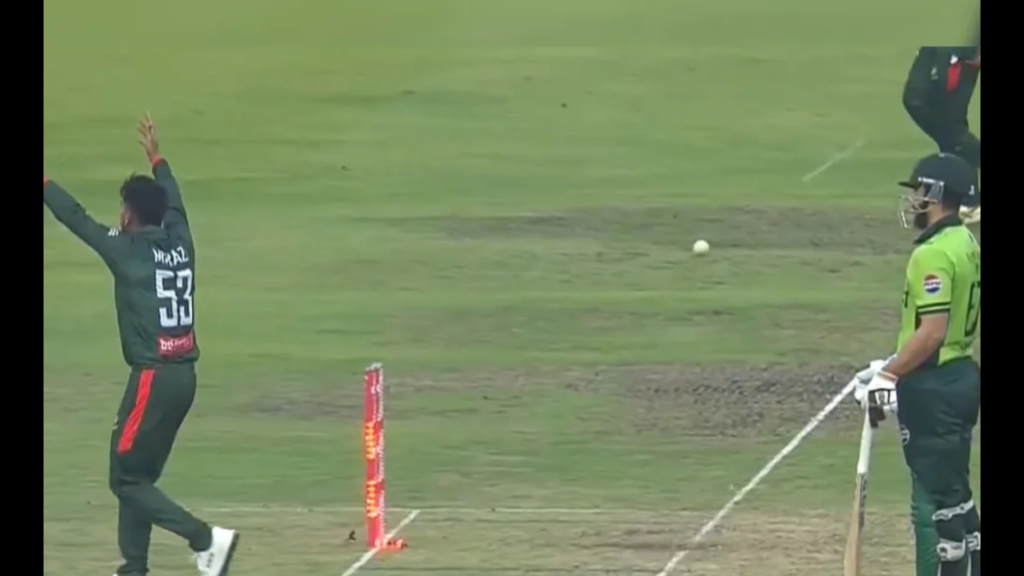
Meanwhile, many Pakistani supporters defended Salman Agha, arguing that cricket is unpredictable and that even experienced players can make split-second errors.
The debate highlighted how cricket incidents often take on larger significance when they involve players from rival nations.
The historic rivalry between India and Pakistan means that every match—and every controversial moment—receives intense scrutiny.
Cricket experts often remind fans that players operate under immense pressure during international matches.
Factors that contribute to mistakes such as run-outs include:
- Loud stadium environments
- Fast fielding attacks
- Split-second decision-making
- Psychological pressure from match situations
Even top players occasionally misjudge a run or hesitate at the wrong moment.
However, in tightly contested matches, such errors can prove decisive.
The run-out involving Salman Agha serves as a reminder of how crucial communication and coordination are in cricket.
Coaches frequently emphasize running drills during training sessions to ensure that players understand each other’s calling systems and body language.
Good partnerships often depend on trust between the two batters. When both players respond instantly to calls of “yes,” “no,” or “wait,” the chances of a run-out decrease significantly.
Teams also analyze video footage of run-out incidents to identify mistakes and improve awareness in future matches.
Incidents like this quickly become headline-grabbing topics because of the historic rivalry between India and Pakistan.
Matches between the two nations are among the most watched sporting events in the world.
The rivalry dates back decades and is fueled by passionate fans, dramatic encounters, and memorable performances from legendary players on both sides.
Even when the teams are not playing directly against each other, cricket discussions often take on a competitive tone whenever players or commentators from the two countries exchange opinions.
The reactions from Mohammad Kaif and Basit Ali illustrate how cricket commentary itself can sometimes mirror the intensity of the rivalry.
Read Also : 5 Big Moves: Government Urges Restaurants to Use Coal, Households Shift to PNG as LPG Crisis Deepens