NEET Re-Exam 2026: 30+ Paper Setters Put Under Strict Lockdown Until Retest Ends
NEET Re-Exam 2026: Authorities place paper setters under strict lockdown and round-the-clock security until the retest concludes.
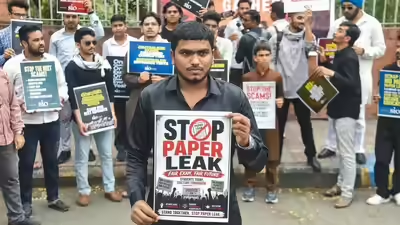
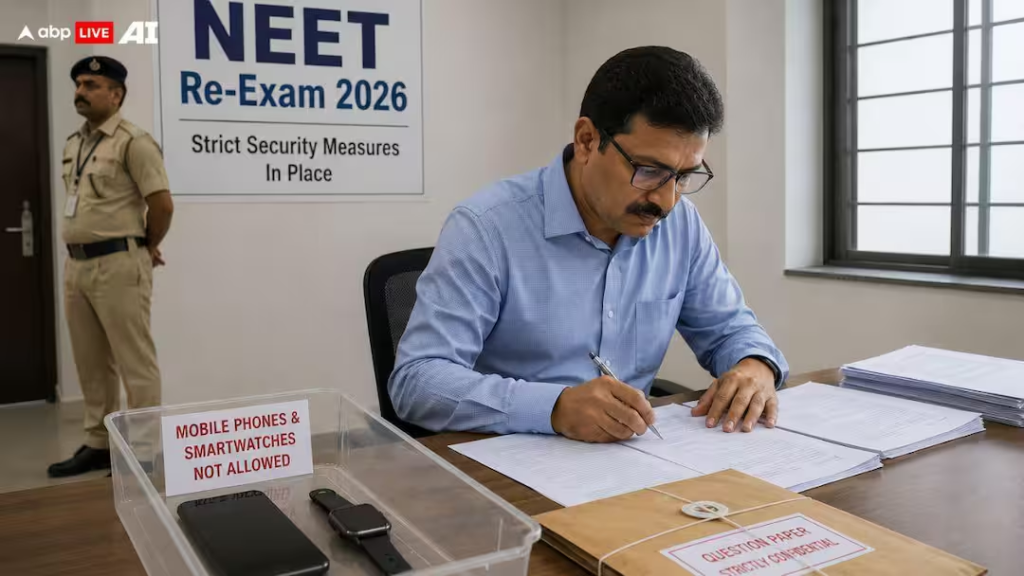
In a major move aimed at restoring confidence in India’s medical entrance examination system, authorities have reportedly placed NEET paper setters under strict lockdown arrangements until the completion of the re-examination process. The decision comes amid heightened scrutiny over exam security and concerns about potential paper leaks that have sparked nationwide debate in recent years.
The unprecedented security measures are designed to ensure the integrity of the National Eligibility cum Entrance Test (NEET), one of the country’s most important and competitive examinations. With lakhs of students preparing for medical admissions, authorities are leaving little room for error as they seek to conduct the re-exam in a transparent and secure manner.
The primary objective behind the lockdown arrangement is to prevent unauthorized access to question papers and eliminate any possibility of information leakage before the examination.
According to reports, experts involved in preparing the examination papers will remain under continuous monitoring in a secure environment until the re-exam process concludes. Access to communication devices, internet services, and external contacts may be heavily restricted during this period.
Officials believe that such measures are necessary to maintain the credibility of the examination process and reassure students that the test will be conducted fairly.
The move reflects a broader effort to strengthen examination security following concerns raised about paper leaks and irregularities in various competitive examinations across the country.
NEET serves as the gateway for admission to undergraduate medical courses, including MBBS, BDS, and other healthcare-related programs across India.
Every year, millions of students compete for a limited number of seats in government and private medical colleges. Due to the intense competition, even minor irregularities can have significant consequences for aspirants.
For many students, NEET represents years of preparation, coaching, and personal sacrifice. As a result, maintaining the integrity of the examination is critical not only for institutions but also for the future careers of aspiring doctors.
The examination plays a crucial role in determining admissions to some of India’s most prestigious medical institutions. Any disruption or controversy surrounding the process often attracts nationwide attention.
Authorities have reportedly implemented a multi-layered security framework to safeguard the re-examination process.
Several measures may include:
- Restricted access to question paper preparation centers.
- Round-the-clock surveillance of examination-related activities.
- Biometric verification for authorized personnel.
- Secure transportation and storage systems.
- Limited communication channels for individuals involved in paper setting.
- Digital monitoring and cybersecurity measures.
Experts suggest that such precautions are becoming increasingly necessary as examination authorities face evolving challenges related to technology and information security.
The use of advanced monitoring systems can help identify vulnerabilities and reduce the risk of unauthorized disclosures.

For students, the announcement of heightened security measures may provide reassurance that authorities are taking concerns seriously.
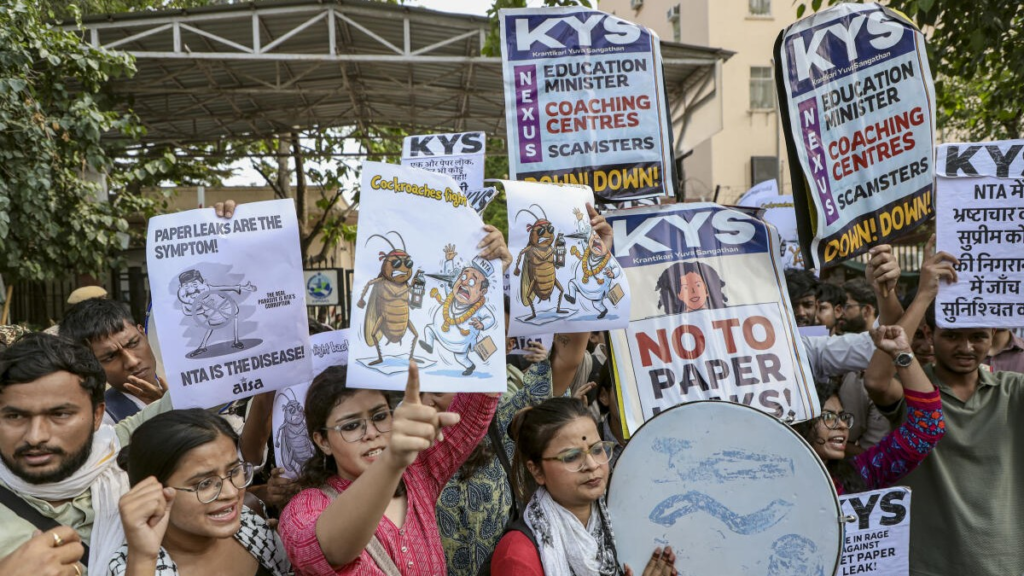
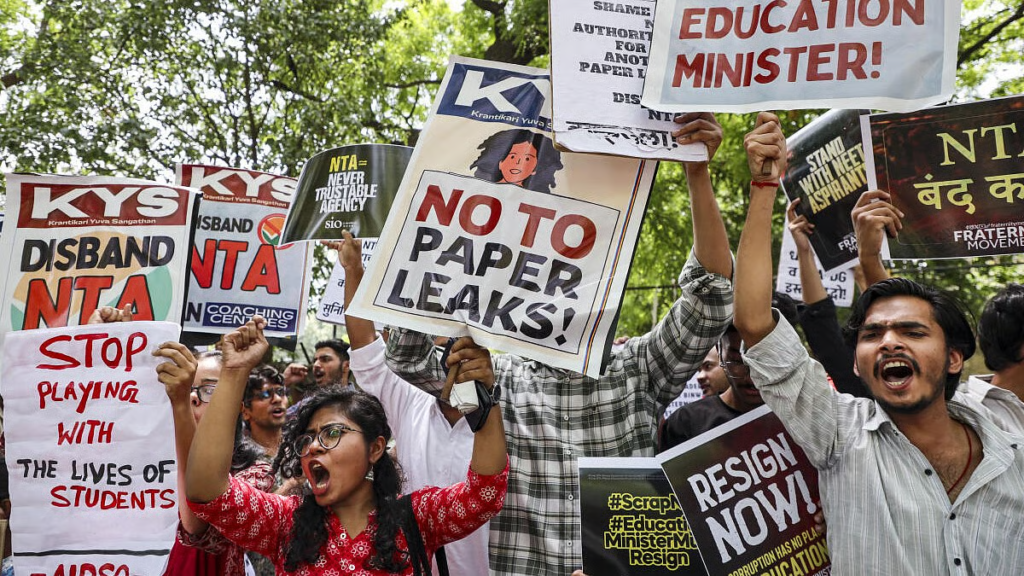
Many aspirants have expressed frustration in the past over allegations of paper leaks and irregularities. Such incidents can create uncertainty and affect the morale of candidates who spend years preparing for competitive exams.
The strict lockdown of paper setters sends a strong message that examination authorities are committed to protecting the interests of genuine candidates.
Education experts argue that transparency and accountability are essential for maintaining trust in large-scale examinations. When students believe the process is fair, it strengthens confidence in the system as a whole.
At the same time, students are being advised to focus on preparation rather than speculation surrounding exam administration.
The issue of examination security has become a major topic of discussion in India over the past several years.
Various competitive examinations have faced challenges ranging from paper leaks to impersonation attempts and digital fraud. These incidents have prompted policymakers and educational authorities to review existing systems and introduce stronger safeguards.
As a result, examination agencies are increasingly adopting stricter procedures to ensure fairness and transparency.
The decision to isolate paper setters under secure conditions represents one of the most visible examples of this evolving approach.
Experts believe that future examinations may involve even more sophisticated security technologies, including artificial intelligence-based monitoring systems and advanced encryption protocols.
Managing an examination as large as NEET presents significant logistical challenges.
The test is conducted across numerous cities and examination centers, involving millions of candidates, invigilators, administrators, and support staff.
Coordinating such an extensive operation requires meticulous planning and robust security arrangements.
Authorities must ensure that question papers remain confidential while also guaranteeing smooth distribution to examination centers.
Any lapse in the process can have far-reaching consequences, affecting students, institutions, and public confidence.
The current lockdown measures highlight the level of importance attached to maintaining exam security at every stage of the process.
Education experts have largely welcomed the move, describing it as a proactive step toward strengthening examination integrity.
Many believe that stronger preventive measures are preferable to dealing with controversies after an examination has already taken place.
Parents and students have also expressed support for efforts aimed at ensuring a fair and transparent testing environment.
However, some experts argue that long-term solutions should go beyond temporary lockdown measures.
They suggest that authorities continue investing in technological safeguards, institutional reforms, and improved monitoring mechanisms to address systemic challenges.
According to education policy analysts, a combination of human oversight and technological innovation may offer the most effective path forward.
The decision to place paper setters under lockdown reflects a broader commitment to improving the credibility of competitive examinations.
Authorities have repeatedly emphasized the need to protect students’ interests and uphold public confidence in the education system.
Recent reforms and security enhancements indicate that examination agencies are taking a more aggressive approach to preventing irregularities.
Government officials have stressed that strict action will be taken against anyone found attempting to compromise examination integrity.
This approach aims to create a strong deterrent against misconduct while reassuring candidates that fairness remains a top priority.
As discussions continue regarding examination security, students are being encouraged to remain focused on their studies.
Experts recommend the following:
- Follow official announcements only.
- Avoid misinformation circulating on social media.
- Maintain a consistent study schedule.
- Revise important concepts and practice mock tests.
- Prioritize physical and mental well-being.
- Stay updated through trusted educational sources.
Preparation remains the most important factor for success in competitive examinations.
Students are advised not to allow administrative developments to distract them from their academic goals.
The strict lockdown of NEET paper setters marks a significant step in the ongoing effort to strengthen examination security in India.
As authorities prepare for the re-exam, the focus remains firmly on ensuring fairness, transparency, and credibility throughout the process.
The success of these measures could influence how future competitive examinations are conducted, potentially setting new standards for security and accountability.
For lakhs of aspiring medical students, the hope is that enhanced safeguards will create a level playing field where merit alone determines success.
With the re-examination approaching, all eyes remain on the authorities responsible for delivering one of India’s most important entrance tests. The effectiveness of the current security framework will not only shape the immediate outcome of the NEET re-exam but may also define the future of examination administration in the country.