
BREAKING: Delhi High Court Upholds Telegram Ban—5 Key Reasons Behind the Landmark Verdict
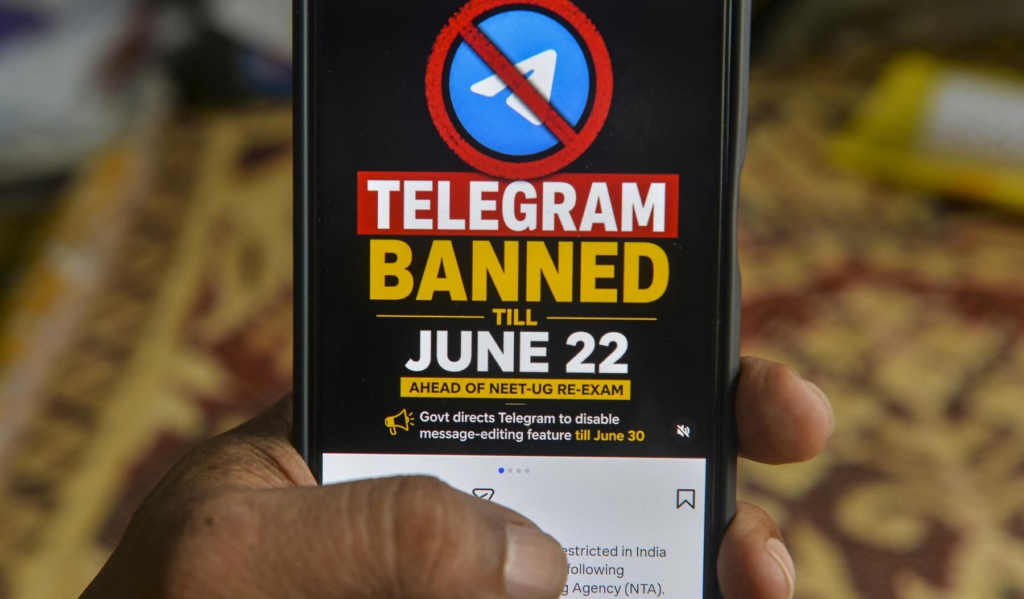
Delhi High Court upholds the government’s temporary ban on Telegram, refusing to grant relief
In a significant development for India’s digital landscape, the Delhi High Court has upheld the Central Government’s decision to impose a temporary ban on Telegram, declining to grant immediate relief to the messaging platform. The ruling comes after a closely watched legal battle that raised important questions about national security, digital privacy, online communication, and the balance between individual rights and the government’s responsibility to maintain public safety.
The verdict has sparked widespread discussion among legal experts, technology companies, digital rights advocates, businesses, and millions of users who rely on Telegram for personal communication, professional collaboration, education, and content sharing. While the High Court’s decision supports the government’s temporary action, the broader debate surrounding encrypted messaging platforms and digital regulation is expected to continue.
Hearing petitions challenging the temporary restriction on Telegram, the Delhi High Court declined to interfere with the government’s decision at this stage.
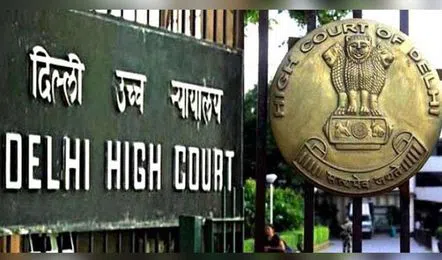
The court observed that the temporary nature of the restriction, coupled with the government’s stated security concerns, justified allowing the measures to remain in place while authorities continued their assessment.
The bench emphasized that issues involving national security, cybercrime prevention, and public order require careful judicial consideration, particularly when intelligence inputs and sensitive information may be involved.
While refusing immediate relief, the court also acknowledged the importance of constitutional rights and indicated that any long-term restrictions would need to satisfy the standards of legality, necessity, proportionality, and judicial scrutiny.
The decision represents an interim legal outcome rather than a final determination on the broader constitutional questions surrounding the platform.
According to the government, the temporary restriction was introduced in response to concerns regarding the alleged misuse of the platform by criminal and unlawful networks.
Authorities argued that encrypted messaging applications can sometimes be exploited for activities including:
- Coordinating cybercrime.
- Circulating illegal digital content.
- Financial fraud.
- Organized criminal communication.
- Terror-related activities.
- Dissemination of harmful misinformation.
Government representatives maintained that the temporary restriction was a preventive measure intended to assist ongoing investigations and strengthen digital security.
Officials also stressed that the decision was not directed against ordinary users but rather aimed at addressing specific security concerns.
Lawyers representing Telegram reportedly argued that the temporary restriction disproportionately affected millions of legitimate users across India.
They contended that the platform serves multiple lawful purposes, including:
- Personal messaging.
- Educational collaboration.
- Business communication.
- Media distribution.
- Community engagement.
- Emergency coordination.
The company argued that isolated instances of misuse should not justify restrictions affecting the entire platform.
It also emphasized its willingness to cooperate with lawful requests while continuing to protect user privacy and encryption standards within applicable legal frameworks.
The case once again highlights the ongoing challenge of balancing national security with digital rights.
Governments around the world increasingly face complex questions about regulating encrypted communication platforms while respecting privacy and freedom of expression.

Supporters of stronger regulation argue that authorities must possess adequate legal tools to investigate serious crimes and respond to emerging security threats.
Digital rights advocates, however, caution that broad restrictions may affect legitimate communication, innovation, and civil liberties.
The Delhi High Court’s decision reflects the judiciary’s effort to balance these competing considerations without prejudging the final legal issues.
Telegram has become one of India’s widely used messaging platforms.
Individuals, businesses, educational institutions, media organizations, developers, and community groups rely on the service for communication and information sharing.
The temporary restriction has affected numerous users who depend on Telegram for daily activities.
Some organizations have shifted to alternative messaging platforms while awaiting further developments.
Technology experts note that sudden restrictions on widely used communication tools can create operational challenges for businesses and online communities.
Many users are now closely monitoring future legal proceedings to understand when normal access may be restored.
The verdict could influence future discussions regarding digital governance and platform regulation.
India’s rapidly expanding digital economy depends heavily on secure communication services that support commerce, education, healthcare, innovation, and government services.
Cases involving major technology platforms often shape broader policy conversations about:
- Data protection.
- Platform accountability.
- User privacy.
- Cybersecurity.
- Law enforcement cooperation.
- Digital sovereignty.
Legal experts believe the present case may contribute to future regulatory reforms affecting online platforms operating in India.
One of the most significant issues raised by the case concerns end-to-end encryption.
Encryption protects users from unauthorized access and cyber threats while enabling secure communication.
At the same time, law enforcement agencies worldwide have argued that strong encryption can complicate criminal investigations.
Technology companies generally maintain that weakening encryption could expose all users to greater cybersecurity risks.
The debate remains unresolved internationally, with different countries adopting varying regulatory approaches.
The Telegram case has renewed attention to this global policy challenge.
The High Court’s decision has generated mixed reactions.
Legal experts described the ruling as an example of judicial caution in matters involving national security.
Technology professionals expressed concern about the operational impact of platform restrictions on businesses and digital entrepreneurs.
Some policy analysts argued that transparent legal procedures and clearly defined regulatory standards are essential for maintaining investor confidence in India’s digital economy.
Civil society organizations emphasized the importance of ensuring that temporary restrictions remain proportionate, limited in duration, and subject to judicial oversight.
The decision is likely to remain the subject of significant public discussion.
Although the High Court declined immediate relief, the legal process is expected to continue.
Future hearings may examine broader constitutional questions involving:
- Freedom of speech and expression.
- Right to privacy.
- Proportionality of government action.
- National security powers.
- Digital platform regulation.
- Procedural safeguards.
Additional submissions from both the government and Telegram could further clarify the legal and technical issues involved.
Depending on future proceedings, the matter may eventually reach higher judicial forums if significant constitutional questions remain unresolved.
Legal observers believe the Telegram case represents more than a dispute involving a single messaging application.
Instead, it reflects broader questions regarding how democracies regulate digital communication while protecting both public safety and individual freedoms.
As technology evolves rapidly, governments, courts, companies, and citizens continue searching for legal frameworks capable of addressing increasingly complex challenges.
The outcome of future proceedings may influence policymaking across multiple aspects of India’s digital ecosystem.
The Delhi High Court’s decision to uphold the government’s temporary ban on Telegram marks an important moment in India’s evolving approach to digital governance.
While the court declined immediate relief, the legal questions surrounding encrypted communication, national security, platform responsibility, and constitutional rights remain far from settled.
For millions of Telegram users, businesses, and technology stakeholders, the coming weeks will be closely watched as additional legal developments unfold.
Regardless of the final outcome, the case is expected to play a significant role in shaping future discussions on digital regulation, cybersecurity, privacy, and internet governance in India.
As policymakers, courts, and technology companies continue navigating these complex issues, the Telegram case may ultimately become one of the defining legal milestones in India’s digital transformation.
Read Also : BREAKING Trump & Iran’s President Sign Historic Peace Deal to End West Asia War in 2026