Ali Khamenei Rumors Explained: 7 Facts Behind the Viral Funeral Claims
Iran begins a six-day state funeral for former Supreme Leader Ali Khamenei, with ceremonies across multiple cities
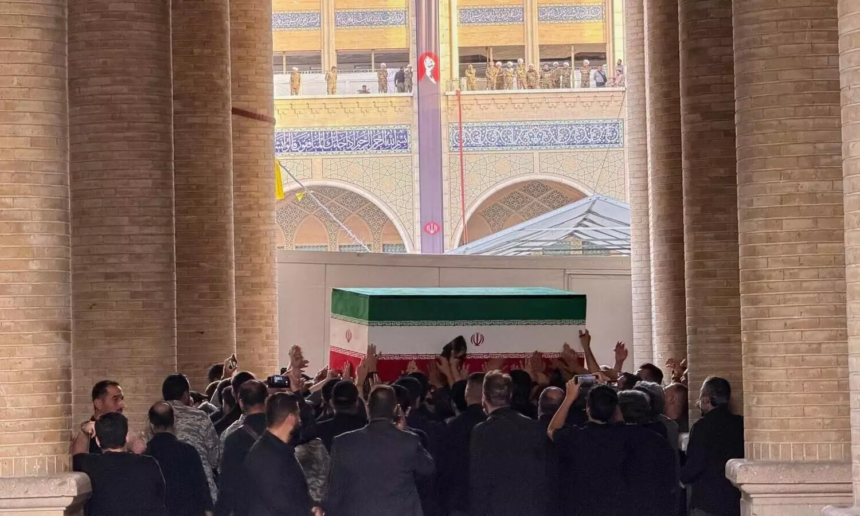
Iran has commenced a six-day state funeral for its late former Supreme Leader, Ayatollah Ali Khamenei, with ceremonies scheduled across several cities before his final burial in Mashhad. The funeral, delayed for months because of the regional conflict that followed his death, is expected to become one of the largest public commemorations in the country’s modern history. Millions of mourners are anticipated to participate as authorities implement extensive security arrangements and prepare for large public gatherings.
One notable aspect of the ceremonies is the expected absence of Iran’s current Supreme Leader, Mojtaba Khamenei, from public events. According to officials familiar with the arrangements, heightened security concerns are likely to keep him away from the funeral processions despite reports that he wished to participate.
Ali Khamenei was killed during the opening phase of the U.S.-Israel conflict with Iran earlier this year. Initial plans for an immediate state funeral were postponed because of continuing military operations and security concerns across the country.
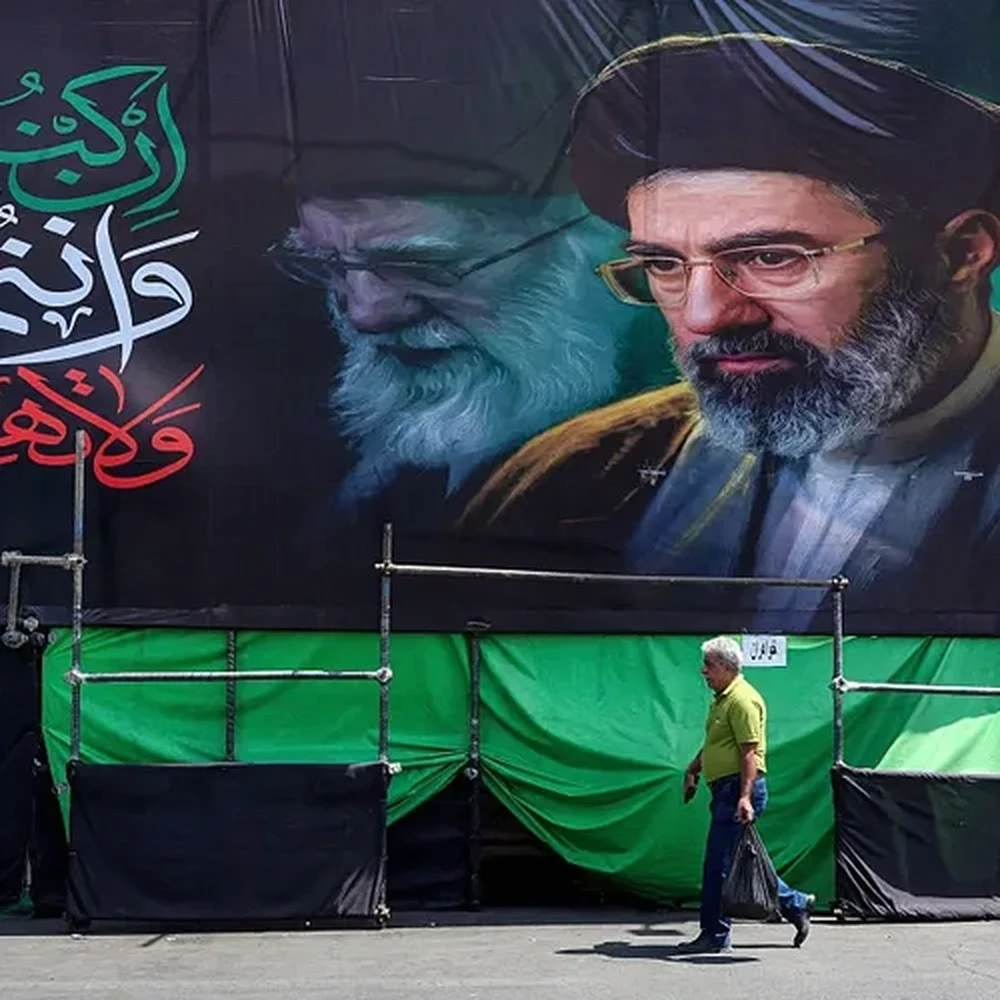
Following a ceasefire and improved security conditions, Iranian authorities announced a new funeral schedule extending from early July through the burial ceremony in Mashhad. The prolonged timetable is intended to allow people from different parts of Iran to participate in the national mourning.
The funeral programme includes multiple religious ceremonies, public processions and memorial gatherings.
The ceremonies begin in Tehran, where Khamenei’s body will lie in state before large funeral processions move through the capital. Later events are planned in the holy city of Qom and at significant Shia religious sites before concluding with burial at the Imam Reza shrine in Mashhad.
Iranian officials describe the programme as both a religious commemoration and a national event intended to honour the country’s longest-serving Supreme Leader.
Authorities have deployed extensive security measures throughout the funeral period.
Security personnel have been stationed around major gathering points, transport hubs and religious centres. Additional crowd-control arrangements have also been introduced to prevent incidents during the expected influx of mourners.
Officials have warned that security remains a top priority because of ongoing regional tensions and the possibility of threats targeting public gatherings. Airspace restrictions and enhanced surveillance have also been reported during the funeral period.
One of the most closely watched aspects of the funeral is the reported absence of Mojtaba Khamenei.
According to individuals familiar with the security planning, Mojtaba wished to attend the funeral and lead prayers but was advised against appearing publicly because of concerns about his safety.
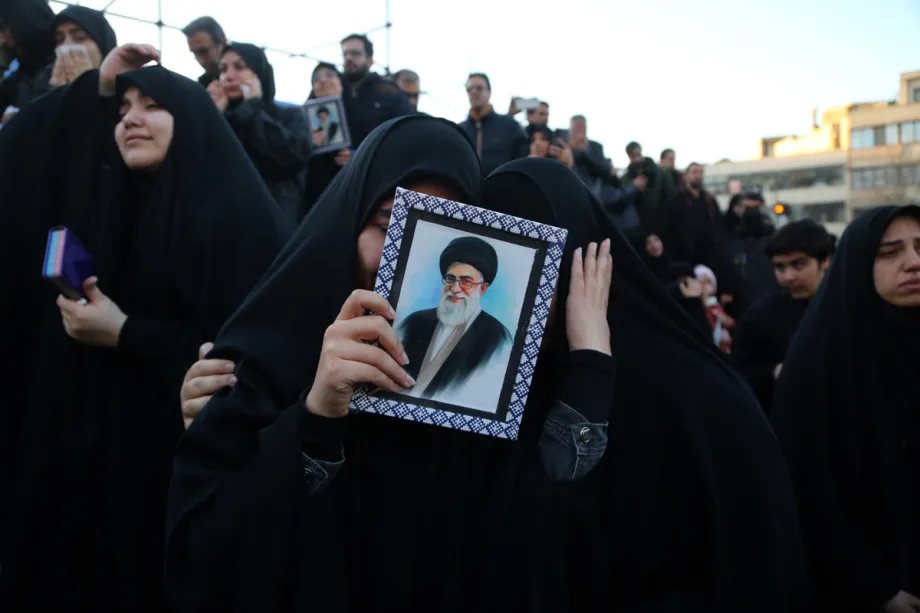
Officials believe his public appearance could create additional security risks during an event expected to attract millions of participants. While he may remain involved privately, current indications suggest he will not attend the main public ceremonies.
Several countries have confirmed that official representatives will attend the funeral ceremonies.
China announced that a senior lawmaker will represent Beijing during the funeral, while India confirmed it will send a high-level delegation including Union Minister of State Pabitra Margherita and Bihar Governor Syed Ata Hasnain.
The participation of international delegations reflects the diplomatic significance of the event despite ongoing geopolitical tensions surrounding Iran.
The funeral represents more than a farewell to a political leader.
For many supporters, the ceremonies symbolize continuity within the Islamic Republic following one of the country’s most significant political transitions in decades.
Religious scholars, government officials and community leaders are expected to deliver speeches highlighting Khamenei’s leadership, Iran’s political resilience and the country’s future direction.
Analysts believe the funeral will also serve as an opportunity for authorities to demonstrate national unity after months of conflict and uncertainty.
Iranian officials anticipate exceptionally large crowds throughout the funeral.
Public ceremonies have been planned across multiple cities to accommodate mourners travelling from different regions. Religious organisations, volunteers and local authorities have coordinated logistics including transportation, medical assistance and crowd management.
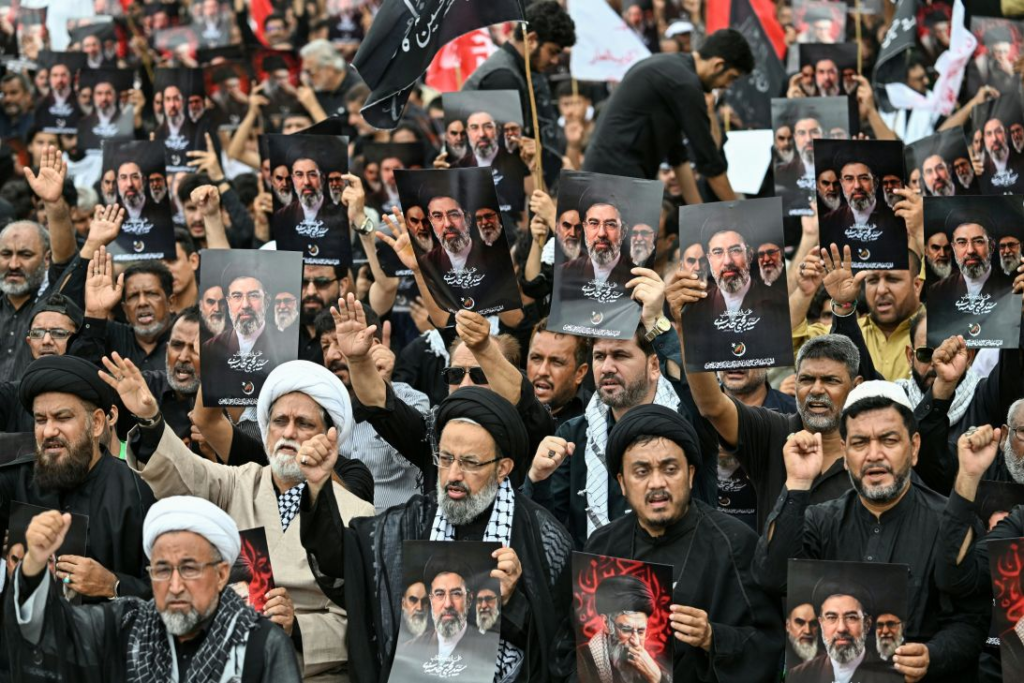
The funeral is expected to rank among the largest state commemorations in Iranian history.
The funeral is being closely monitored across the Middle East and internationally.
Regional governments, diplomats and political analysts are watching both the public response and the participation of foreign delegations as indicators of Iran’s diplomatic relationships and domestic stability.
The event also comes as discussions continue regarding regional security, maritime trade through the Strait of Hormuz and broader geopolitical issues affecting West Asia.
Organising a funeral of this scale presents major logistical challenges.
Authorities must manage transportation, healthcare services, crowd safety and security across multiple cities over several days. Officials have urged mourners to follow designated routes and cooperate with emergency personnel.
Emergency medical teams, volunteers and civil defence units have been deployed to assist participants throughout the commemorative events.
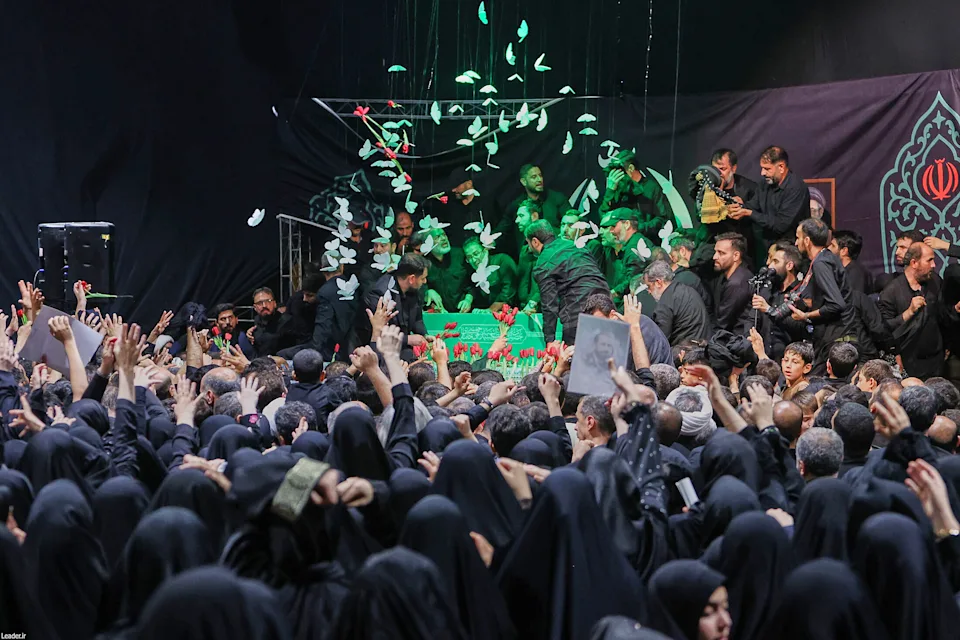
Following the funeral, attention is expected to shift toward Iran’s domestic governance, regional diplomacy and future policy direction under its current leadership.
Observers will also watch for any major statements delivered during the ceremonies that could signal Iran’s priorities in the months ahead.
Read Also : Alia Bhatt Turns Heads at Mumbai Airport: 7 Stunning Style Moments Ahead of ‘Alpha’ Release