Maharashtra Monsoon Alert: Heavy Rain to Continue Till July 8 as CM Fadnavis Puts State on High Alert
Heavy rainfall is expected to continue across Maharashtra until July 8, with Chief Minister Devendra Fadnavis placing the state on high alert
Maharashtra continues to battle one of the most intense monsoon spells of the season, with the India Meteorological Department (IMD) forecasting heavy to extremely heavy rainfall across several districts until July 8. In response to the deteriorating weather conditions, Chief Minister Devendra Fadnavis has placed the entire state machinery on high alert, urging citizens to avoid unnecessary travel and follow official advisories.
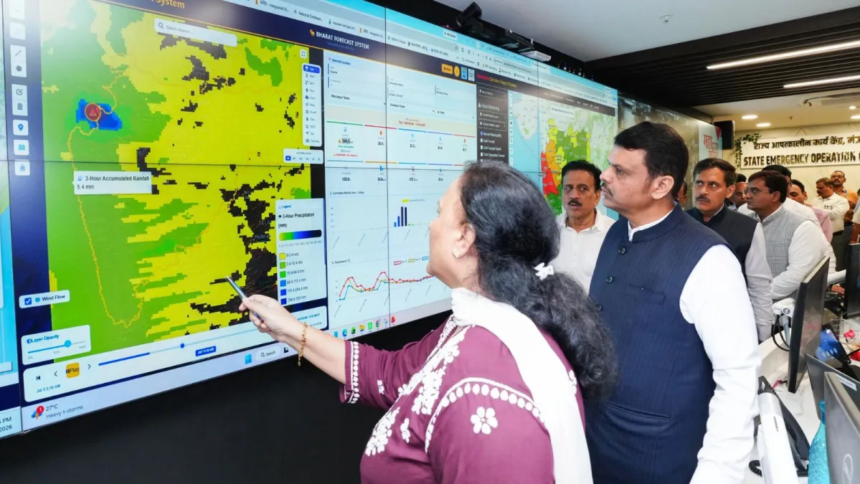
After reviewing the situation at the State Emergency Operations Centre in Mumbai, the Chief Minister described the ongoing rainfall as “unprecedented” in intensity and confirmed that disaster response teams have been deployed across vulnerable districts. Authorities are closely monitoring rivers, landslide-prone areas, highways, and urban flooding as the monsoon continues to disrupt normal life across Maharashtra.
According to the latest weather forecast, Maharashtra is likely to experience persistent heavy rainfall until July 8. Coastal districts, the Konkan region, parts of western Maharashtra, and several ghat areas remain particularly vulnerable.
The IMD has warned that rainfall activity could intensify further in some districts, accompanied by strong winds and localized flooding. Authorities are monitoring weather updates round the clock to respond quickly to emergencies.
Chief Minister Devendra Fadnavis held a high-level review meeting with senior officials from the Disaster Management Department, the National Disaster Response Force (NDRF), police, and civic agencies.
Speaking after the meeting, Fadnavis said the administration has been working continuously to restore normalcy in rain-hit areas. He urged citizens to stay indoors wherever possible and avoid unnecessary travel, especially during periods of intense rainfall.
The Chief Minister emphasized that rescue teams, emergency personnel, and district administrations remain on alert across the state.
Among the districts under close watch is Nashik, where forecasts indicate the possibility of nearly 300 mm of rainfall within a short period.
Officials warned that weather conditions could resemble a cloudburst-like event in isolated areas, prompting authorities to deploy additional disaster response resources.
Local administrations have been instructed to prepare evacuation plans if required and continuously monitor vulnerable villages near rivers and hill slopes.
Mumbai, Thane, Raigad, Palghar, and surrounding districts have experienced continuous rainfall over the past several days.
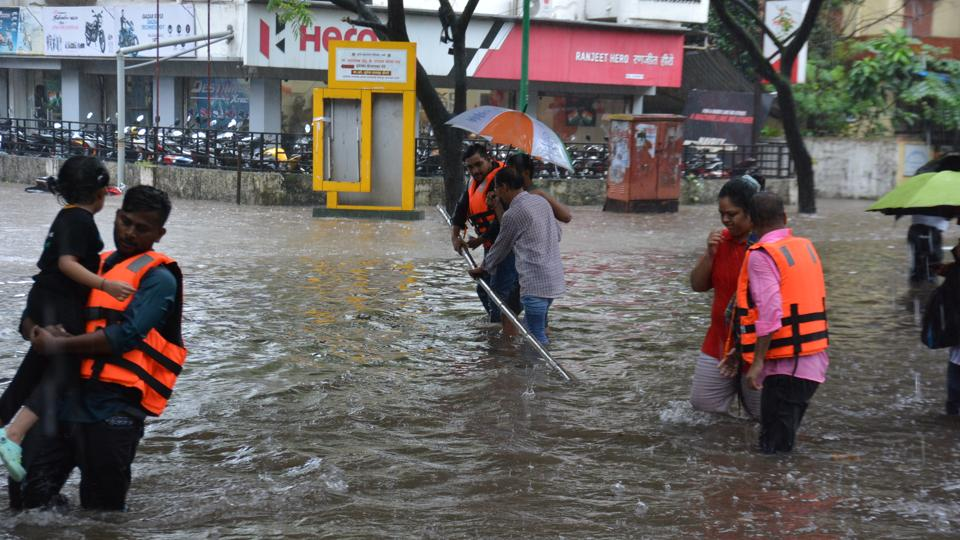
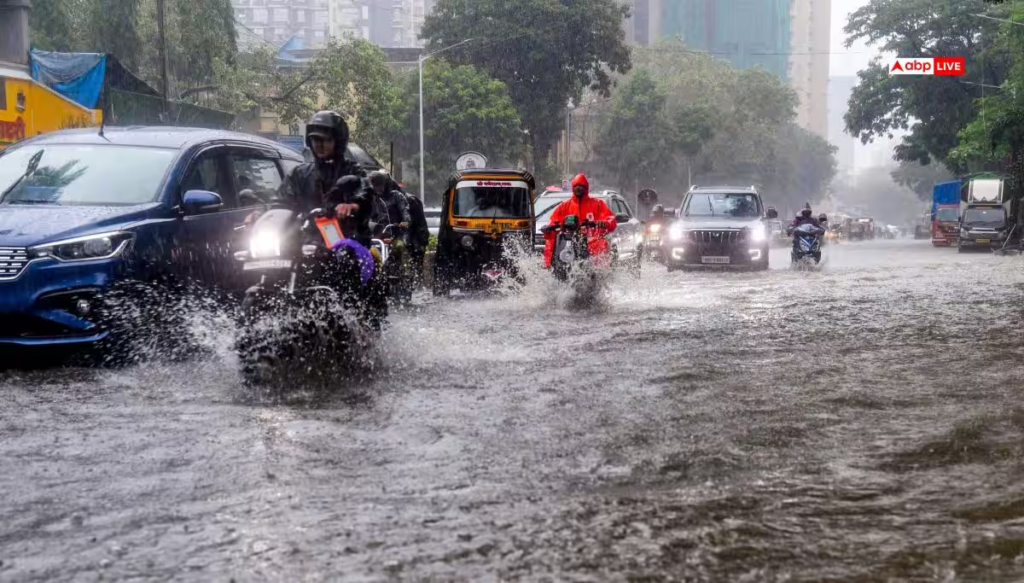
Waterlogging has been reported in multiple low-lying areas, affecting road traffic and slowing daily commuting. Local authorities have increased the number of emergency teams available for drainage clearance and rescue operations.
The IMD has also warned of strong winds reaching speeds of 60–70 km/h, increasing the possibility of tree falls and localized damage.
The weather department has issued Red Alerts for several districts, including Mumbai, Thane, Raigad, Satara, and Nashik, while nearby regions remain under Orange Alert depending on local conditions.
A Red Alert indicates the possibility of extremely heavy rainfall capable of causing flooding, landslides, and major disruption to transportation and essential services.
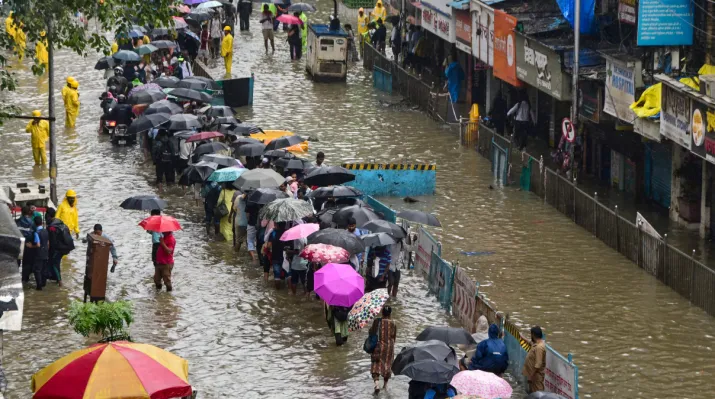
Authorities are advising residents to remain indoors unless travel is absolutely necessary.
Continuous rainfall has triggered landslides at several locations across Maharashtra.
One major landslide occurred near Kashedi Ghat on the Mumbai–Goa Highway, temporarily disrupting traffic. Cleanup operations are underway to restore connectivity as quickly as possible.
The Mumbai–Pune Expressway was also affected after a large quantity of debris fell onto the roadway. Officials said restoration work began immediately, and several lanes have already reopened while remaining clearance operations continue.
Heavy rainfall across the Western Ghats has significantly increased water levels in several rivers.
Officials reported that rivers including the Savitri in Raigad district have crossed danger levels, prompting continuous monitoring by disaster management teams.
Reservoir authorities are also keeping a close watch on dam levels to ensure controlled water releases wherever necessary.
To strengthen emergency preparedness, National Disaster Response Force (NDRF) teams have been strategically deployed in vulnerable districts.
State Disaster Response Force (SDRF) units, police personnel, fire brigades, and local municipal authorities remain on standby to respond to flooding, landslides, and rescue operations.
District administrations have also established emergency control rooms that operate around the clock.
With severe weather continuing, authorities have announced closures for schools and colleges in several districts, while local administrations continue reviewing conditions before deciding on additional holidays.
The state government has also encouraged private employers to permit work-from-home arrangements wherever feasible to reduce travel risks during periods of intense rainfall.
Residents have been advised to:
- Avoid unnecessary travel.
- Stay away from flooded roads and rivers.
- Follow IMD and district administration advisories.
- Keep emergency supplies ready.
- Contact local emergency services if assistance is required.
Heavy rainfall has affected road connectivity in several districts due to waterlogging and landslides.
Authorities continue clearing debris from highways while monitoring railway operations in affected regions. Travelers have been advised to check the latest transport updates before beginning their journeys.
Emergency crews remain deployed at critical locations to restore normal traffic movement as quickly as weather conditions permit.
The Maharashtra government has activated its disaster management mechanism, with officials continuously monitoring rainfall data, river levels, and district reports.
Coordination between the IMD, district collectors, municipal corporations, police, and disaster response agencies is being maintained to ensure rapid action whenever required.
Officials stated that the administration remains prepared for any escalation in weather conditions over the coming days.
As heavy rainfall is expected to continue until July 8, citizens should remain cautious and prioritize safety.
People living in flood-prone or landslide-prone areas should remain alert to official evacuation instructions. Motorists are advised to avoid driving through waterlogged roads, while fishermen should closely follow marine advisories before venturing into the sea.
Keeping mobile phones charged, storing drinking water, and preparing emergency kits can also help families respond more effectively during severe weather events.