West Asia War LIVE: 10-Hour Funeral Convoy Carrying Ali Khamenei’s Body Begins Historic Journey Across Tehran
Follow the latest West Asia War LIVE updates as reports claim a convoy carrying Ayatollah Ali Khamenei’s body has begun its journey across Tehran
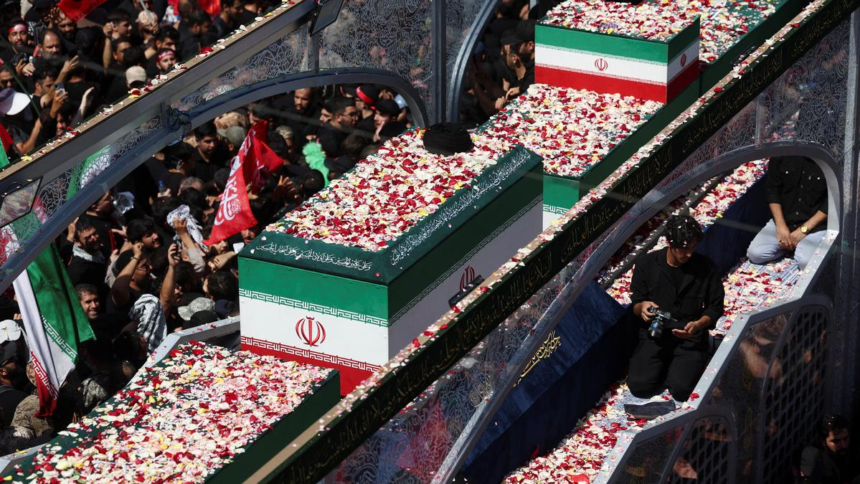
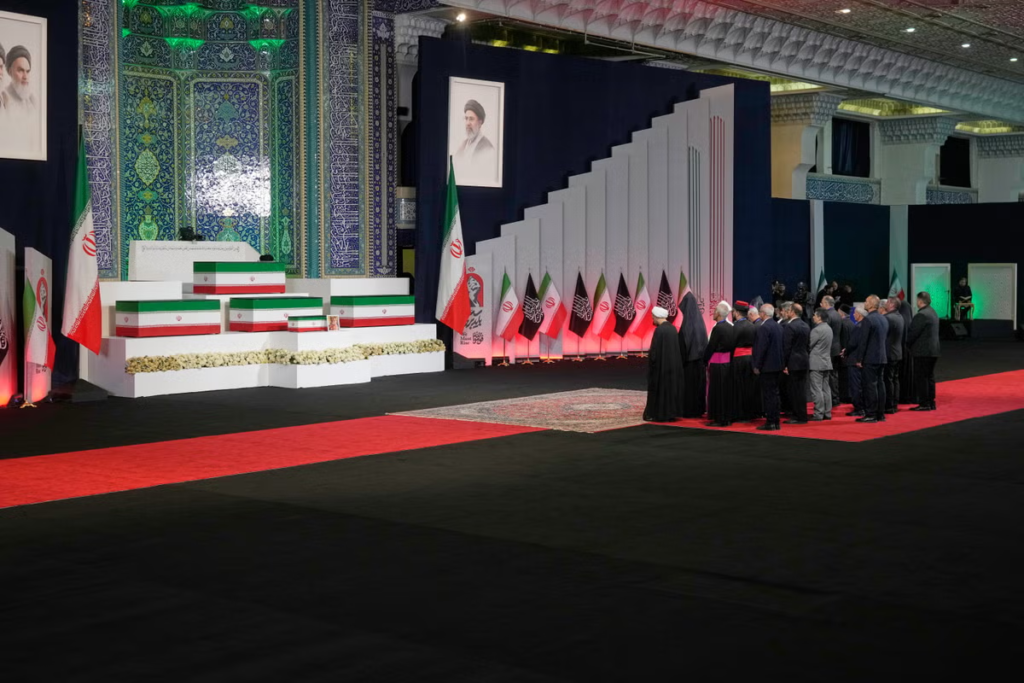
Iran entered another significant chapter in its national mourning as a convoy carrying the body of former Supreme Leader Ayatollah Ali Khamenei began its public procession through Tehran, drawing massive crowds and intense global attention. The funeral procession, part of a multi-day state ceremony, has become one of the largest public gatherings in Iran’s recent history, with mourners lining major roads to pay their final respects.
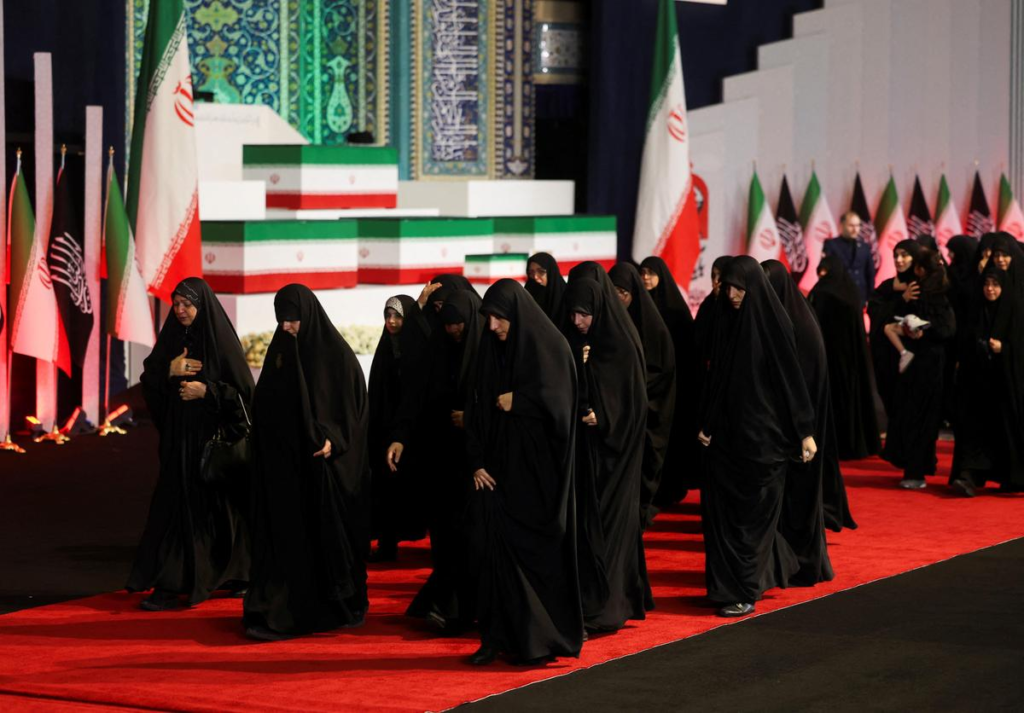
The procession follows several days of mourning ceremonies and prayers at Tehran’s Grand Mosalla complex. Authorities implemented extensive security measures across the capital, while public transport services experienced heavy congestion as thousands of people traveled to participate in the event.
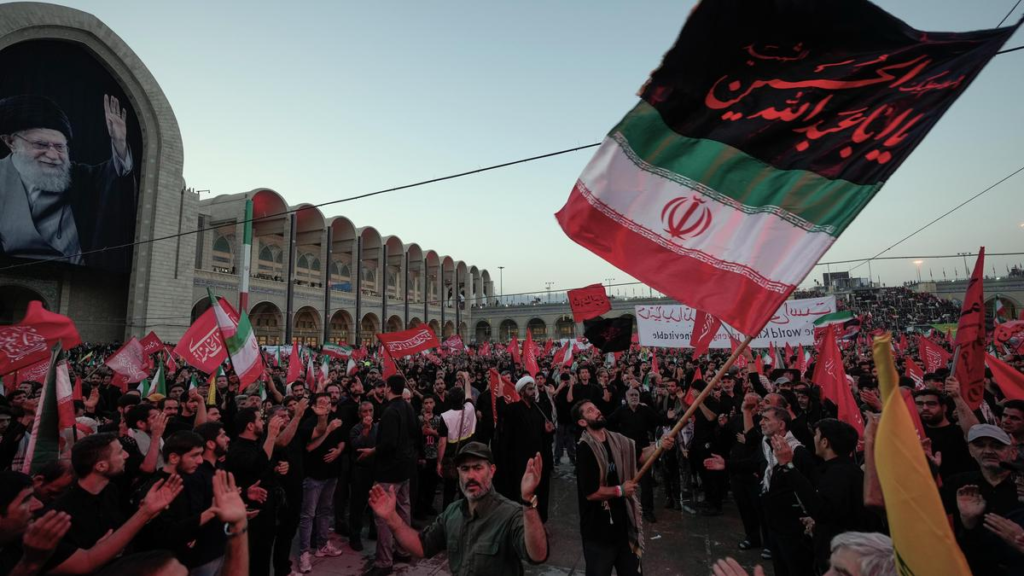
The funeral convoy began its journey from Tehran’s Revolution Square and proceeded toward Azadi Square, where hundreds of thousands of mourners had assembled since the early morning hours. State media broadcast live images showing black-clad crowds waving Iranian flags, carrying portraits of Khamenei, and chanting religious slogans as the coffin moved through the capital.
Many participants described the procession as both a religious and national event, with people traveling from different provinces to attend the final public farewell.
Security was among the defining features of the procession.
Iranian authorities deployed thousands of police officers, members of the Revolutionary Guard, emergency medical teams, and volunteers along the funeral route. Road closures, traffic diversions, and enhanced surveillance were introduced to manage the enormous crowds and reduce security risks.
Officials also restricted vehicle access to several central districts, encouraging mourners to use public transportation.
Iranian officials have described the funeral ceremonies as one of the largest public commemorations in the country’s history.
Millions of mourners are expected to participate over several days as the procession moves through multiple cities before the final burial in Mashhad. Authorities have arranged transportation, accommodation, medical services, and crowd-management measures to facilitate the large turnout.
Observers say the scale of participation highlights the symbolic importance of the ceremonies within Iran.
One of the most closely watched aspects of the funeral has been the absence of Iran’s current Supreme Leader, Mojtaba Khamenei, from the public procession.
According to Iranian officials and multiple media reports, Mojtaba did not attend the ceremony because of security concerns. However, several of Ali Khamenei’s other sons were present alongside senior political, military, and religious leaders during funeral prayers.
His absence has attracted considerable international attention, although Iranian authorities have emphasized that it was a security-related decision.
The funeral has drawn participation from Iran’s top leadership as well as delegations from several countries.
President Masoud Pezeshkian, senior military commanders, religious scholars, and government officials attended the ceremonies in Tehran. Foreign representatives from multiple countries also traveled to Iran to pay their respects, reflecting the diplomatic significance of the event.
The presence of international delegations underscores the geopolitical importance of the funeral beyond Iran’s borders.
Images from Tehran showed mourners expressing grief through traditional Shia mourning practices, including chest beating, prayers, and recitation of religious verses.
Many participants carried banners emphasizing national unity and resistance, while others threw scarves and personal items toward the coffin in keeping with local customs associated with seeking blessings.
The emotional atmosphere reflected both personal mourning and the political symbolism attached to the occasion.
The funeral procession has become a major international news event amid continuing tensions in West Asia.
Governments, diplomats, and security analysts are closely monitoring developments, particularly for signals regarding Iran’s domestic stability, regional policy, and future diplomatic engagement. News organizations from around the world have deployed reporters to cover the ceremonies.
The event also comes against the backdrop of broader regional uncertainty, ensuring that developments in Tehran continue to attract worldwide attention.
The procession through Tehran represents only one stage of the broader funeral programme.
Following the ceremonies in the capital, additional religious observances are scheduled in other cities before the burial in Mashhad, Khamenei’s hometown. The extended schedule is intended to allow people from different parts of Iran to participate in the national farewell.
Authorities expect millions more people to join upcoming events over the coming days.
Political analysts believe the funeral serves several purposes beyond honoring Iran’s former Supreme Leader.
The ceremonies provide an opportunity for the country’s leadership to demonstrate continuity, national unity, and institutional stability following a major leadership transition. The scale of public participation and the presence of senior officials are being closely examined as indicators of Iran’s political environment.
At the same time, the absence of Mojtaba Khamenei from the public procession has prompted discussion about security considerations surrounding the country’s new leadership.
Attention will now shift to the remaining funeral ceremonies and the final burial in Mashhad.
Analysts will also watch for official speeches, diplomatic meetings, and policy statements that could emerge during the mourning period. Regional governments and international observers are expected to continue following developments closely as Iran navigates a significant moment in its modern political history.
Read Also : Toyota Innova Hycross Hybrid Breaks Down After E20 Fuel Fill: 7 Shocking Facts Every Owner Must Know