Hormuz Service Fee Explained: 7 Big Reasons India Could Pay More for Oil If Iran Charges Ships
Could Iran’s proposed Hormuz service fee increase India’s oil import costs? Learn how the plan could affect crude oil prices, shipping expenses, fuel rates, and India’s energy security
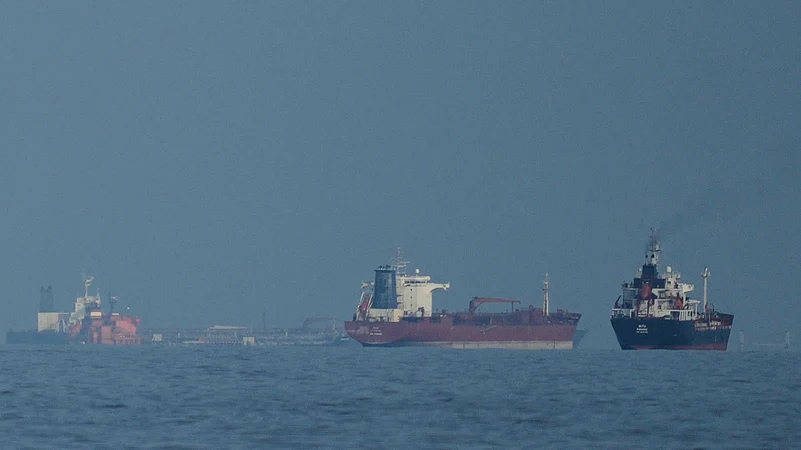
The Strait of Hormuz is one of the world’s most strategically important maritime chokepoints, handling a significant share of global crude oil and liquefied natural gas (LNG) shipments. Any proposal affecting commercial shipping through this narrow waterway immediately draws attention from governments, energy companies, shipping firms, and financial markets.
In recent discussions, speculation has emerged over whether Iran could introduce a service fee or transit charge for vessels using the Strait of Hormuz. Although no such system has been broadly implemented as international shipping practice, the possibility has raised questions about its potential impact on global energy markets—especially for countries like India, which import a large portion of their crude oil requirements.
This article explains what a hypothetical Hormuz service fee would mean, whether India could face higher oil costs, and the broader implications for consumers and the economy.
Located between Iran and Oman, the Strait of Hormuz connects the Persian Gulf with the Gulf of Oman and the Arabian Sea.
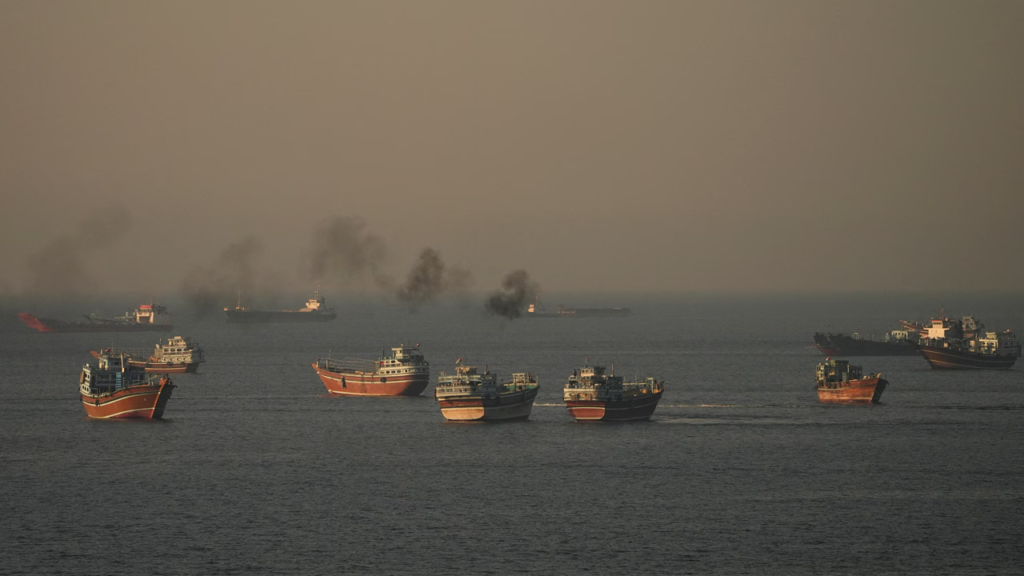
Every day, millions of barrels of crude oil pass through this narrow passage from major oil-producing countries, including Saudi Arabia, Iraq, Kuwait, the United Arab Emirates, and Qatar. Because such a large share of global energy supplies moves through this route, any disruption—or additional cost—can influence international oil prices.
For oil-importing nations such as India, uninterrupted shipping through the Strait is essential for energy security.
A “Hormuz service fee” generally refers to the idea that ships transiting the Strait could be charged an additional amount for passage or related services.
Such a proposal, if ever implemented and legally enforceable, could increase shipping costs for tanker operators. Whether those costs would ultimately affect oil-importing countries depends on several factors, including shipping contracts, insurance costs, freight rates, and global crude oil prices.
It is important to distinguish between speculation, proposals, and officially adopted international policies.
Potentially—but not automatically.
India imports most of its crude oil, and a significant portion arrives via routes connected to the Strait of Hormuz. If shipping costs increased because of additional transit charges, tanker companies might seek to recover those costs through higher freight rates.
Whether Indian refiners ultimately pay more would depend on:
- The size of any additional charge.
- Global crude oil prices.
- Shipping and insurance contracts.
- Alternative supply routes.
- Government policies and market competition.
A modest increase in shipping costs would not necessarily translate into an equivalent increase in retail fuel prices.
Oil prices are influenced by many variables, including:
- Supply and demand.
- Production decisions by exporting countries.
- Geopolitical developments.
- Shipping risks.
- Currency movements.
- Refinery demand.
If traders believed that transportation through the Strait had become more expensive or uncertain, crude oil futures could experience increased volatility. However, markets also respond to official announcements, legal developments, and actual shipping conditions rather than speculation alone.
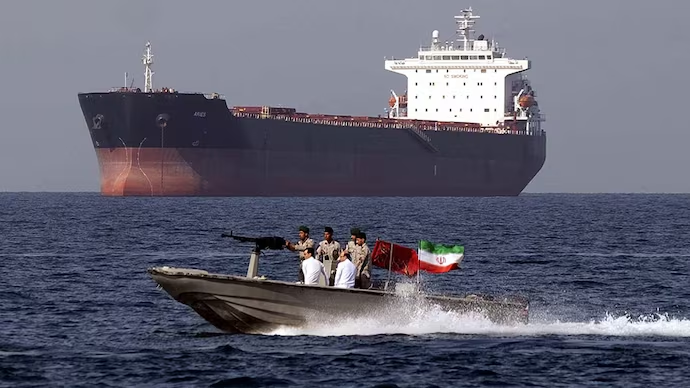
India has spent years diversifying its sources of crude oil by importing from multiple regions around the world.
This strategy reduces dependence on any single supplier and provides flexibility during periods of geopolitical uncertainty. Indian refiners also adjust purchasing patterns based on price, availability, and logistical considerations.
Even if shipping costs changed in one region, India’s diversified import strategy could help reduce the overall impact.
Fuel prices in India depend on numerous factors beyond crude oil costs, including:
- International benchmark crude prices.
- Refining expenses.
- Freight costs.
- Taxes.
- Exchange rates.
- Marketing margins.
Therefore, even if transportation costs increased, retail fuel prices would not necessarily rise by the same amount.
For shipping companies, any additional operational expense—whether from insurance premiums, security measures, or transit-related costs—affects voyage economics.
Operators typically evaluate whether higher costs can be absorbed, negotiated, or passed along through freight rates. The ultimate impact varies depending on market conditions and contractual arrangements.
If transportation costs were to rise significantly over an extended period, sectors that rely heavily on petroleum products—including logistics, aviation, manufacturing, and agriculture—could experience increased operating expenses.
Governments and businesses often respond through efficiency improvements, supply diversification, or strategic purchasing.
Read Also : Maharashtra Monsoon Alert: Heavy Rain to Continue Till July 8 as CM Fadnavis Puts State on High Alert